
Vandaag of morgen in huis

Kwaliteit gegarandeerd

Welkomstaanbiedingen ontgrendelen: GRATIS bezorging | Tot 80% korting | Gratis 30 dagen JoyPlus-proefperiode
Download de app
Sports sunglasses need to do more than look sporty. Whether you are cycling, running, playing golf or driving, you need a stable fit, clear vision and protection from bright light. However, product pages are not always equally clear. For example, a dark lens does not automatically mean that your eyes are adequately protected against UV radiation.
The following three pitfalls are common:
According to the product description, sunglasses with UV400 protection are designed to block UV radiation up to 400 nanometres. Always check that this information is actually stated for the product and that the seller provides clear safety information. Sunglasses are not intended for looking directly at the sun, a solar eclipse, welding arcs or laser radiation.
Visible light transmission, often abbreviated to VLT, indicates how much visible light passes through the lens. A lower VLT generally means a darker lens. The Revoray Cycling Glasses state a VLT of approximately 15.2%, which, according to the product information, is mainly intended for bright conditions. The OutdoorMaster Hawk HD has a rose-red lens with VLT 48%, meaning that it allows more light through on paper.
Polarised sunglasses are worth considering for cyclists, drivers, anglers and golfers who are bothered by reflections from roads, water or metal surfaces. Polarisation reduces glare, but it does not replace UV400 protection.
Photochromic sunglasses adjust their tint to the light intensity, according to the product information. This can be useful when your cycling route takes you between open areas and shade. Bear in mind that they may perform differently indoors or behind car windows, as some windows filter UV light.
Sports glasses with interchangeable lenses offer greater flexibility in changing weather conditions. Check in advance how easy the lenses are to replace and whether a clear spare lens is included.
For extended use, lightweight sunglasses are often more comfortable. According to their product information, the models in this selection weigh approximately 26 to 33 grams. TR90 is a flexible plastic material often used for sports frames. It can contribute to a low weight and stable shape, but the actual fit also depends on the nose bridge, arm length and frame width.
If possible, measure an existing pair of glasses that fits well. Pay particular attention to:
The following choices are based on the stated product details, such as weight, lens function, material and included accessories. Brand information about performance and protection is not presented here as an independently proven result.
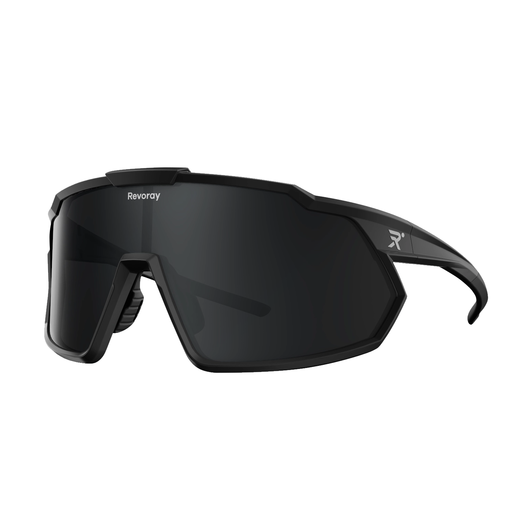
Why it suits this profile: These cycling glasses combine a polarised TAC lens with a TR90 frame, making them suitable for recreational cyclists looking for one lightweight pair of glasses for sunny rides.
The product page states UV400, a weight of approximately 33 grams and adjustable anti-slip nose pads. This means the key basic details can be checked in advance.
TAC polarised lens, TR90 frame, water- and oil-repellent coating, and the stated ANSI Z87.1 performance standard.

Why it suits this profile: Suitable for people who combine cycling, running and outdoor activities and do not want to keep changing glasses as the light changes.
The product information mentions both photochromic and polarised lenses and gives separate weights of approximately 26 and 29 grams. Check which lens version is supplied before purchasing.
TR90 frame, adjustable nose pads, polycarbonate lenses and an included inner frame for possible prescription lenses.
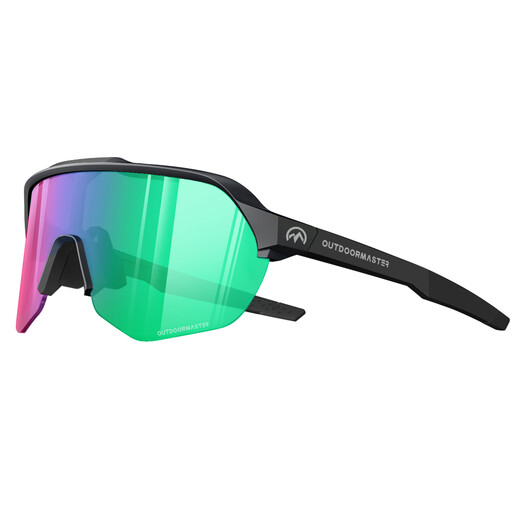
Why it suits this profile: A practical choice for anglers, golfers, cyclists and other outdoor sports enthusiasts who encounter different light conditions throughout the day.
The product page mentions a clear replacement lens for cloudy or low-light conditions. This means the glasses are not dependent on a single dark lens.
Interchangeable lenses, UV400 specification, polarised lens and TR90 frame; the stated VLT of the rose-red lens is 48%.
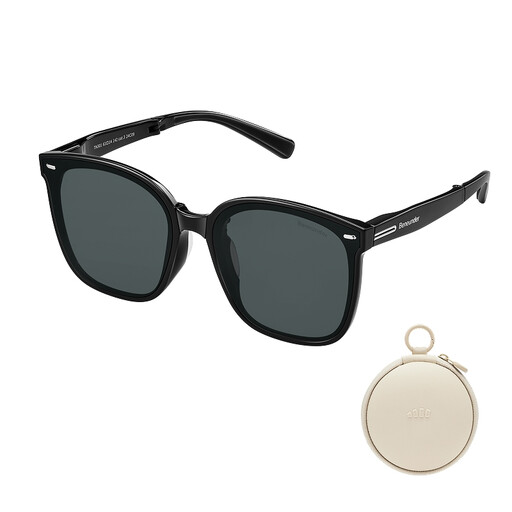
Why it suits this profile: These folding sunglasses are aimed at drivers, travellers and anyone who wants to keep a compact pair in a bag or glove compartment.
The product information states a weight of approximately 26 grams and a folded thickness of around 35 millimetres. This makes portability a specific feature rather than just a marketing term.
Folding TR90 frame, nylon lenses with a UV400 specification and an anti-reflective coating, according to the product description.
Rinse off dust and sand with clean water before wiping the lenses. Then use a soft microfibre cloth. Avoid alcohol, harsh cleaning products and kitchen roll, as these can damage coatings. Store the glasses in a case and do not leave them in a hot car for long periods. Replace the lenses if they are deeply scratched or damaged.
We have put together a complete, up-to-date list of products that fully meet these strict selection criteria and the applicable European safety regulations.
That depends on the lens colour, light transmission and fit. Sunglasses for driving should not make your vision unnecessarily dark. Polarised lenses can reduce reflections, but always check that you can read the dashboard and navigation screen clearly.
Their lifespan depends on use, care and storage. A TR90 frame can be lightweight and flexible, but deep scratches, bent arms or damaged coatings are reasons to replace the glasses. An included protective case helps to reduce wear and tear.
They can be practical in changing light conditions. However, check the stated adjustment speed, lens version and UV specification. Behind a car window, the tint may change differently than it does outdoors because the window blocks some UV light.
