
Vandaag of morgen in huis

Kwaliteit gegarandeerd

Welkomstaanbiedingen ontgrendelen: GRATIS bezorging | Tot 80% korting | Gratis 30 dagen JoyPlus-proefperiode
Download de app
Sports sunglasses need to do more than look sporty. During a bike ride, running session or round of golf, a poor fit can put pressure on your nose, slip during movement or cause distracting glare. Lens colour and polarisation also matter when driving, travelling and fishing.
However, the product description does not always tell the whole story. So before buying sports sunglasses, look out for these common pitfalls.
The term UV400 protection is often highlighted prominently, but always check that this specification is actually included in the product details. UV400 refers to protection against ultraviolet light up to 400 nanometres. A dark lens alone is not proof of UV protection.
The selected models list UV400 in their product specifications. For brand claims, the following applies: according to the manufacturer’s or seller’s own information, the model in question offers this protection. If in doubt, check the current product page and conformity information.
Polarised sunglasses can reduce glare from water, wet tarmac and metal surfaces, for example. This is practical for cyclists, anglers, motorists and golfers. However, polarisation does not replace UV400 protection, and it does not automatically make sunglasses suitable for high-impact work.
Sports glasses may have impact-resistant properties, but according to the product warnings they are not intended for grinding, machining, welding or looking directly at the sun.
Lightweight sunglasses are comfortable during long rides, but weight is not the only criterion. Also check:
Glasses made from TR90 are often chosen for their combination of low weight, flexibility and shape retention. However, the fit still depends on the width of the frame and the shape of your face.
Look for a clear mention of UV400 protection in the product specifications. Some models also list certification. The OutdoorMaster models in this selection state that they offer UV400 protection and indicate that this protection is certified. Wording such as “100% UV400” represents a product claim; according to the manufacturer’s own information, these lenses block UVA and UVB radiation.
Do not use sunglasses for eclipses or looking directly at the sun. Ordinary sunglasses are not designed for this purpose.
Polarised sunglasses are particularly useful when light reflects off flat surfaces. For example:
Also pay attention to the VLT value, or the amount of visible light that passes through the lens. A lower VLT generally means a darker lens. According to the product information, the Revoray cycling glasses have a VLT of approximately 15.2 per cent. The OutdoorMaster Hawk HD variants offer different VLT options, including 12, 18 and 48 per cent. A dark lens is not always practical in cloudy weather or wooded areas.
A photochromic pair of sunglasses adjusts its tint according to UV exposure, as stated in the product description. The OutdoorMaster Photochromic Cycling Glasses are specified as Cat.0 to Cat.3. This can be useful when cycling through changing conditions of sunlight and shade.
There is one important limitation: car windows block some UV light. As a result, photochromic lenses may not become as dark inside a car. When choosing sunglasses for driving, therefore, do not base your decision solely on photochromic technology.
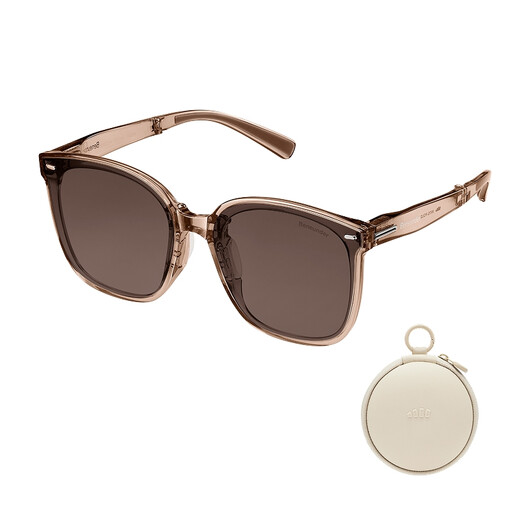
Why it suits this profile: This model is designed for everyday use, driving and travelling. Its foldable design takes up very little space, and according to the product information it weighs 26 grams.
The product description mentions UV400 and an OAR anti-reflective coating. This means you do not have to rely solely on a dark lens or a fashionable appearance.
TR90 frame, tri-fold design, 26 grams and stated UV400 protection.

Why it suits this profile: This combination of photochromic and polarised lens technology is designed for cyclists and other athletes who encounter changing light conditions.
The stated weights are 26 grams for the polarised version and 29 grams for the photochromic version. The product information also mentions adjustable nose pads, so you do not have to focus solely on the frame material.
TR90 frame, polycarbonate lenses, UV400, polarisation, photochromic technology and an included inner frame for prescription glasses.
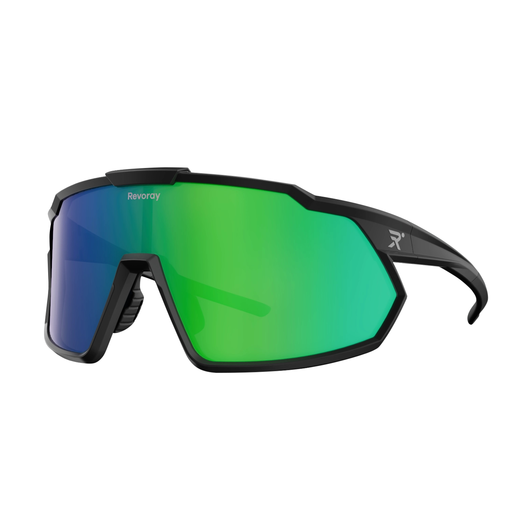
Why it suits this profile: According to the product information, these cycling glasses are designed for road cycling, mountain biking and other outdoor sports. The adjustable silicone nose pads and non-slip arms are practical when you are on the move.
As well as UV400, the specifications state a VLT of approximately 15.2 per cent. This gives you more information in advance about how much light the lens lets through.
Approximately 33 grams, TR90 frame, TAC polarised lens, water- and oil-repellent coating, and an ANSI Z87.1 testing standard stated by the manufacturer.
If you wear prescription glasses, ordinary sports sunglasses may press against the lenses or temples. Fit-over sunglasses are designed to be worn over an existing pair of glasses. According to the product description, the Xiaomi Polarized Fitover Sunglasses are intended for this purpose and feature polarised lenses.
Always check the dimensions of your own glasses before buying. “Fit-over model” does not mean that every frame shape will fit without problems. Pay particular attention to the width, height and space around the nose bridge.
The lifespan of sports sunglasses depends heavily on how they are used and maintained. Follow these simple steps:
A damaged lens can impair your vision. Sports sunglasses are also not a replacement for certified eye protection when carrying out industrial work.
We have put together a complete, up-to-date list of products that fully meet these strict selection criteria and the applicable European safety regulations.
Yes, polarisation can reduce distracting reflections from tarmac, water and metal surfaces. Also check the UV400 specification, fit and lens colour. For cycling in changing light, photochromic sunglasses may be more practical than a very dark fixed-tint lens.
Gently rinse away loose dirt with clean water, then use a soft microfibre cloth. Avoid harsh chemicals and do not rub sand or dust with a dry cloth. Keep the glasses in a protective case to help prevent scratches.
You can with a specially designed fit-over model. Check the dimensions of both pairs of glasses before ordering. Standard cycling glasses are generally not designed to fit over prescription glasses.
