
Vandaag of morgen in huis

Kwaliteit gegarandeerd

Welkomstaanbiedingen ontgrendelen: GRATIS bezorging | Tot 80% korting | Gratis 30 dagen JoyPlus-proefperiode
Download de app
A sports sunglasses needs to do more than just look sporty. On a bike ride, you want less glare, a stable fit and lenses that don’t fog up quickly. For driving or travelling, natural colour reproduction, wearing comfort and compact storage are more important.
The product description often mentions terms like UV400, HD, impact-resistant and photochromic. These words are useful, but they don’t automatically tell you whether a model suits your needs. Below are the key points to consider, along with some popular choices for different user profiles.
UV400 refers to protection against ultraviolet light up to around 400 nanometres. That’s an important product specification, but it doesn’t mean the sunglasses are suitable for industrial work, welding or situations involving heavy impact. The models in this overview are intended for recreational sports and outdoor activities. Also check the product information, warnings and any CE markings.
Pay attention to the source of the claim. When a brand mentions UV400 protection or a specific filter effect, it refers to the specifications in that brand’s product description. So don’t treat this as a medical claim.
A polarised sunglasses can reduce annoying reflections on water, wet roads and other smooth surfaces. That’s useful for cyclists, anglers and drivers. However, polarisation doesn’t automatically make a lens suitable for low light. A dark lens can actually be less practical at dusk or in a forest.
For driving, extra care is needed: according to the product description, photochromic lenses may not darken as much inside a car because the windscreen blocks some UV light.
A lightweight TR90 frame can be comfortable, but fit is still personal. Check the bridge width, arm length, lens height and total frame width. A pair that’s too loose can shift while you’re running. A cycling sunglasses that’s too narrow can put pressure on your temples.
Ventilation also deserves attention. A large curved lens protects your peripheral vision, but it can fog up more quickly without air vents or a proper fit.
UV400 is a technical indication of the UV filter range. The VLT value — visible light transmission — tells you how much visible light the lens lets through. A model with VLT 12% lets in less light than a lens with VLT 48%. That difference matters:
A polarised lens is especially useful if you often struggle with reflections on asphalt, water or glass. For a cycling sunglasses, this can make looking at the road more comfortable, while an angler can benefit from less reflection on the water. Always check whether the model is actually sold as polarised; a coloured lens isn’t automatically polarised.
When you wear them for a long time, small differences count. The OutdoorMaster LARK SV is listed in the product details with a weight of 25.5 grams, adjustable nose pads and a ventilated lens design. The Hawk LT is listed with a weight of 26 to 29 grams, depending on the lens variant.
For a good fit, adjustable nose pads, anti-slip material and flexible arms are practical plus points. At home, you can measure an existing pair of glasses and compare the dimensions with the product page. A pair for outdoor activities doesn’t need to be extremely tight, but it should stay stable when you move.

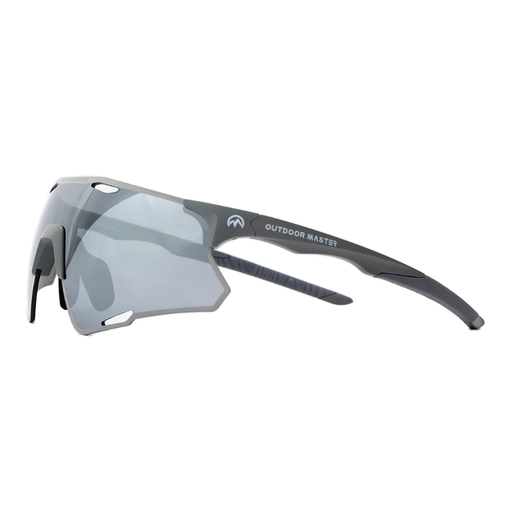
Why this fits the profile: According to the product description, this model combines a TR90 memory frame with polarised TAC lenses and UV400 protection. That makes it a logical choice for recreational cycling, running and everyday outdoor use.
The specifications mention not just a sporty design, but also lens material, polarisation and UV400. That makes comparing easier than relying solely on colour or appearance.
TR90 frame, polarised TAC lenses, UV400 according to the product description and an aerodynamic shape.
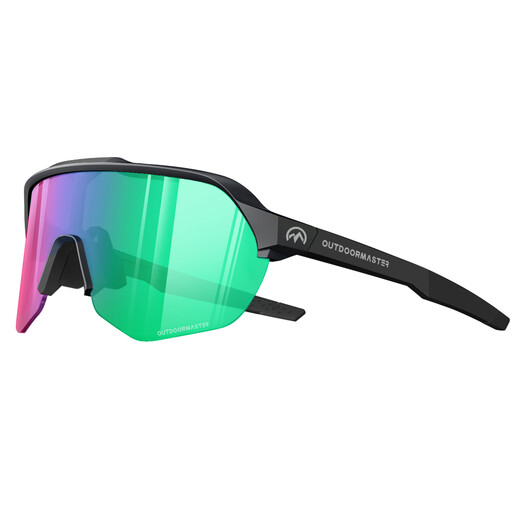
Why this fits the profile: For long bike rides and multi-sport use, adjustable nose pads, ventilation and a wide field of vision are practical points to consider. These features are listed in the product details of this model.
The ventilated design addresses the risk of fogging. The adjustable nose pads help prevent a fit that’s too loose or too tight.
25.5 grams according to the product information, ventilation, curved lenses and an included inner frame for prescription lenses.
Why this fits the profile: According to the product description, this model is aimed at fishing, golf, boating, cycling and driving. The interchangeable clear lens offers extra flexibility in changing light conditions.
You’re not stuck with one dark lens: the included clear replacement lens is designed for cloudy conditions or lower light. When swapping, check carefully for scratches.
TR90 frame, polarised lens, UV400 according to the product description and a clear spare variant.
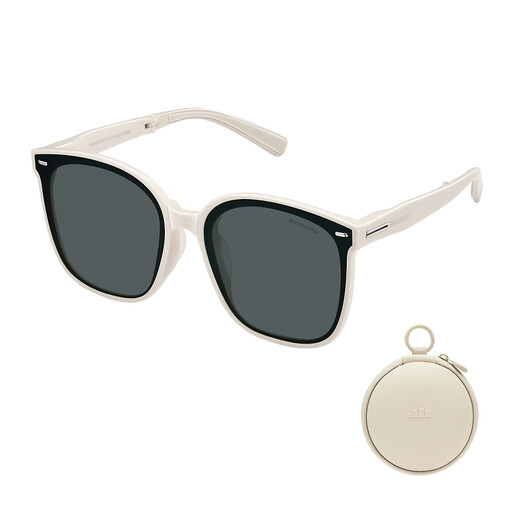
Why this fits the profile: The foldable sunglasses are designed for anyone who wants a compact model to take in a bag or suitcase. According to the product description, the frame folds to 35 mm thick and weighs 26 grams.
The compact design stops you from having to store a large pair loose in your bag. Use the case and fold the frame in the indicated direction.
TR90 frame, UV400 lenses according to the product description, anti-glare coating and a stated weight of 26 grams.
Clean the lenses with a soft microfibre cloth and avoid harsh cleaning products. Store the sunglasses in the supplied case, not loose with keys or other hard objects. Scratches can impair your vision; replace a damaged lens or pair according to the manufacturer’s instructions.
A cycling sunglasses with interchangeable lenses requires extra care when swapping them. Hold the lens by the edges and check that it’s securely fitted after installation. With photochromic models, it’s wise to consider the difference between outdoor use and driving.
We’ve put together a full, up-to-date list of products that fully meet these strict selection criteria and comply with current European safety regulations.
Yes, especially when reflections on wet asphalt or other surfaces are bothersome. Check that the lens isn’t too dark and that your dashboard remains clearly visible. A photochromic lens may change colour less inside a car because the windscreen filters UV light.
The lifespan depends on use, storage and care. A frame can last longer if you keep it in a case and don’t place it lens-down on a table. Replace the sunglasses as soon as the lens is heavily scratched, loose or damaged.
TR90 is a lightweight thermoplastic material used in many sports sunglasses. Whether it’s comfortable also depends on the size, nose pads and arms. Always compare the dimensions with a pair you already find comfortable.
