
Vandaag of morgen in huis

Kwaliteit gegarandeerd

Welkomstaanbiedingen ontgrendelen: GRATIS bezorging | Tot 80% korting | Gratis 30 dagen JoyPlus-proefperiode
Download de app
Sports sunglasses need to do more than look sporty. When cycling, running or driving, you do not want glasses that slide down your nose, fog up or become too dark as soon as the weather changes. Yet many product claims are difficult to compare. A high UV rating, for example, says nothing about fit, polarisation or visibility in low light.
These practical checks will help you quickly identify which sports sunglasses suit your needs. Afterwards, you will find some popular options for cyclists, road cyclists, runners and glasses wearers.
UV400 refers to protection against ultraviolet light up to 400 nanometres. This is an important product specification, but it does not automatically say anything about scratch resistance, optical clarity or impact resistance. So also check the lens material, coating and conformity information.
Look out for wording such as ‘blocks 100% of harmful radiation’. Do not present this as independently proven performance when it is only stated by the manufacturer. According to the brands’ own product information, the models mentioned offer UV400 protection. Always check the current specifications on the product page.
Polarised sunglasses can reduce distracting reflections from asphalt, water and metal surfaces. This is particularly useful for cycling and driving. However, the lens may also be relatively dark as a result.
For example, the Revoray cycling glasses list visible light transmission of approximately 15.2%. According to the product description, this is suitable for bright weather, but may be less suitable for a cloudy Dutch afternoon. A model with interchangeable or photochromic lenses offers greater flexibility in these conditions.
Lightweight sunglasses are comfortable during long rides, but low weight cannot compensate for a poor fit. Also check:
TR90 sunglasses are known for their flexible, lightweight frame construction. However, fit varies between models and face shapes. So check the measurements in millimetres or inches and compare them with glasses you already find comfortable.
Look for a clear mention of UV400 protection and check that this information forms part of the official product specifications. Dark lenses without any UV information are not a sensible choice for prolonged use in bright sunlight.
TAC or polycarbonate lenses with a polarising filter can reduce reflections. This can be useful on wet roads, near water and when driving. Bear the light transmission in mind: a low VLT value, or visible light transmission, generally means a darker lens.
According to the product information, photochromic sunglasses adjust their tint based on UV exposure. The OutdoorMaster Photochromic Cycling Glasses are listed as Cat.0 to Cat.3. The manufacturer also states that the lens may become less dark inside a car because the windscreen blocks UV light. Therefore, do not use this type of glasses as a direct replacement for dedicated driving sunglasses.
If you wear ordinary prescription glasses, look for fit-over sunglasses or an over-glasses model. Make sure there is enough space between the inner glasses and the outer lens. Fit-over sunglasses should not press against your lenses or unnecessarily restrict your peripheral vision.
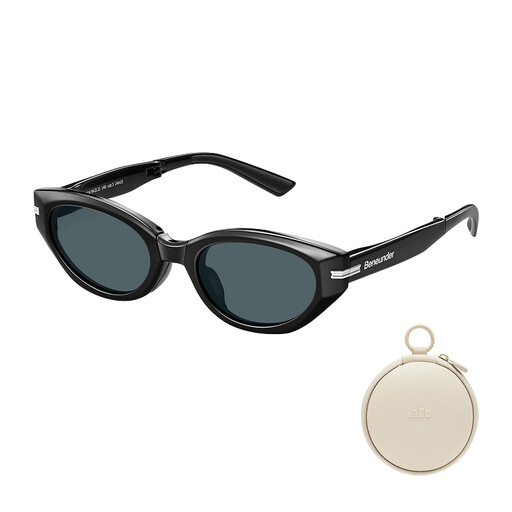
Why it suits this profile: This model is suitable for everyday use, walking and short bike rides. Its foldable design takes up very little space in a bag or coat pocket.
The product information lists UV400, a TR90 frame, soft nose and temple pads, and a foldable frame. Check the fit using the stated measurements.
TR90 frame, nylon lenses with UV400 according to the product description, and a compact folding mechanism.
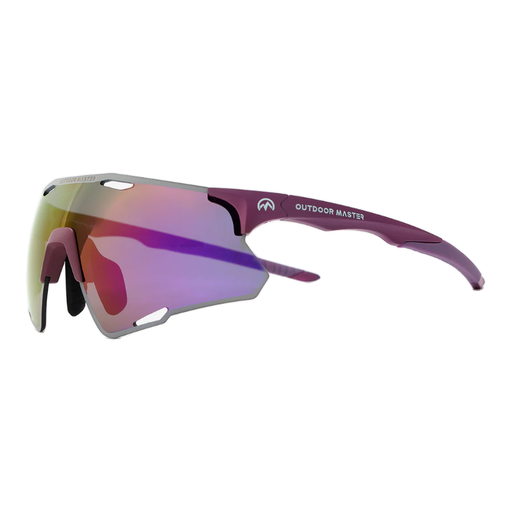
Why it suits this profile: A suitable option for cyclists and runners who value low weight, ventilation and an adjustable fit.
The model has ventilation openings, adjustable nose pads and silicone components. This helps address fogging and slipping during movement.
According to the product specifications, the model weighs 25.5 grams and has polarised polycarbonate lenses with a UV400 rating.
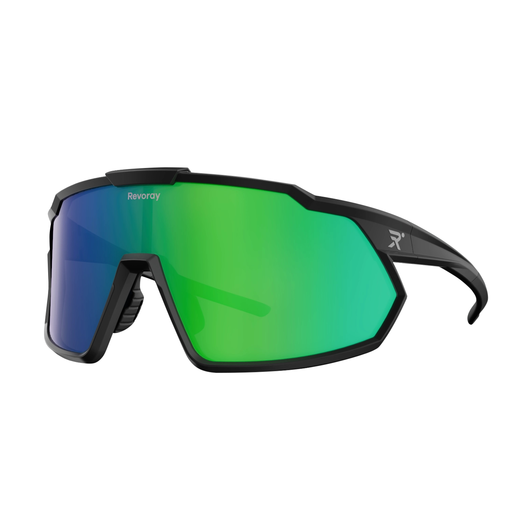
Why it suits this profile: Designed for road cyclists and outdoor enthusiasts who often ride in bright weather and want stable cycling glasses.
The product information mentions adjustable anti-slip nose pads, grippy temples and a water- and oil-repellent coating. The stated VLT of approximately 15.2% makes its suitability for bright light clearer.
Approximately 33 grams, TR90 frame, TAC polarised lenses and, according to the product information, tested to ANSI Z87.1.

Why it suits this profile: A practical choice if you need sunglasses to wear over your glasses without immediately having a separate prescription pair made.
The fit-over design is intended to be worn over prescription glasses. Measure the width and height of your own glasses beforehand to ensure a good fit.
Polarised lenses and a design that, according to the product description, can be worn over prescription glasses.
We have compiled a complete, up-to-date list of products that fully meet these strict selection criteria and the applicable European safety regulations.
Clean the lenses first with water or a soft microfibre cloth. Do not use harsh alcohol or abrasive cloths if the product information advises against them. Store the glasses in a hard case and do not leave them in a hot car for extended periods. Replace the lenses as soon as they become deeply scratched or damaged. A scratch can impair your vision, especially when light catches it.
Sports sunglasses are also not safety glasses for grinding, welding or high-impact work. Always follow the brand’s safety warnings and use the correct certified eye protection for such activities.
They can be, especially in bright light and where there are reflections from asphalt, water or metal surfaces. Do check the light transmission, though, and consider photochromic or interchangeable lenses in changeable weather.
Yes, fit-over models are designed for this purpose. Measure the width and height of your prescription glasses and compare them with the sunglasses’ dimensions. This helps prevent pressure on the lenses and an unstable fit.
Their lifespan depends on use, storage and care. A frame may last longer than the lenses, but deep scratches, loose temples or damaged coatings are reasons to replace the glasses. Check the warranty terms and follow the manufacturer’s care instructions.
