
Vandaag of morgen in huis

Kwaliteit gegarandeerd

Welkomstaanbiedingen ontgrendelen: GRATIS bezorging | Tot 80% korting | Gratis 30 dagen JoyPlus-proefperiode
Download de app
Sports sunglasses need to do more than block bright light. During a bike ride, trail run or walk, you may be exposed to UV radiation, wind, dust and sudden movements. Yet a premium-looking frame is not automatically suitable for sport. Marketing copy often emphasises a mirrored lens or aerodynamic shape, while fit and lens specifications are more important.
A dark lens does not automatically mean that sufficient UV protection is provided. Therefore, check whether the product information explicitly states UV400. This designation refers to protection against UV radiation up to 400 nanometres. Also check the information about conformity, the manufacturer and the responsible party within the EU.
Polarised sunglasses can reduce distracting glare from water, wet tarmac or car windows. This can be useful when cycling, driving and taking part in water sports. However, polarisation alone says nothing about the fit, impact resistance or UV protection. Check these features separately.
Cycling glasses that fit well during a leisurely walk may slip in the wind or when you are sweating. Look at the stated frame width, weight, nose support and non-slip components. A model for a medium to large face will not automatically suit every face shape. Glasses that are too loose can let wind in at the sides, while a frame that is too tight can cause pressure around the temples.
For cycling, running and other outdoor activities, UV400 protection is an important point to check. The product information for several models in this selection states that UVA, UVB and UVC radiation is blocked. Treat this as a product specification, not a medical claim. Sunglasses are also not designed for looking directly at the sun or a solar eclipse.
Impact-resistant sunglasses often use polycarbonate, abbreviated to PC. In the product descriptions of brands including Revoray and OutdoorMaster, this material is associated with high impact resistance. This does not mean that the glasses are unbreakable. According to OutdoorMaster’s safety warnings, these models are not intended for grinding, machining, welding or other situations involving high impact.
Nylon lenses can combine low weight with high image clarity. TAC lenses with polarising film are designed to reduce glare. Always check the specific lens construction and warnings for the model you choose.
According to the product information, photochromic sunglasses adjust the lens colour based on UV exposure. The OutdoorMaster models mentioned switch from category 0 to category 3. This is useful when your route alternates between open areas and shade. The effect may be limited inside a car because a windscreen blocks UV light.
Polarisation is particularly useful for horizontal glare, such as reflections from wet roads. A model can combine both features, such as the OutdoorMaster HAWK LT. However, check that the lens allows enough light through in darker conditions.
Lightweight sunglasses reduce pressure during long rides. According to the product specification, the Revoray X3 models weigh approximately 30 grams. The frame is made from TR90, a thermoplastic material described as flexible and shape-retaining. Non-slip temple tips and a rubber nose pad help keep the glasses in place while you are moving.
For cycling sunglasses, coverage is also important. A wide, integrated lens can broaden your field of vision and provide better protection from the wind. A streamlined design may also be less affected by the wind, but above all, check that the glasses remain comfortable when you are cycling in a forward-leaning position.
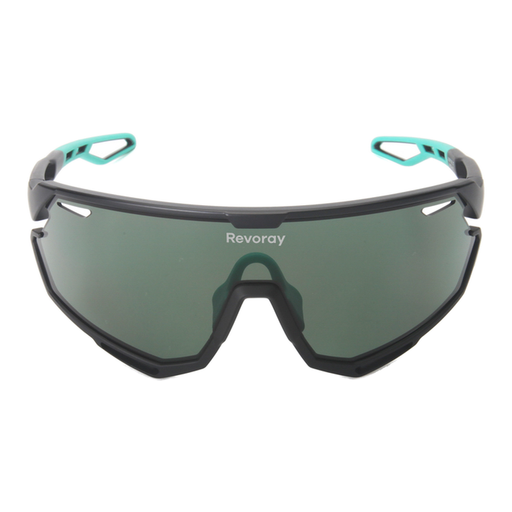
Why it suits this profile: Straightforward cycling glasses for recreational cyclists who want the key specifications without additional lens mechanisms.
The product information states UV400, an integrated PC lens and non-slip components, so you do not have to judge the glasses by appearance alone.
According to the product specification, the TR90 model weighs approximately 30 grams and has a wide, integrated PC lens.

Why it suits this profile: Suitable for cyclists and runners who value changing light conditions, reduced glare and an adjustable fit.
The choice is not based solely on a dark lens: the product details separately state photochromic performance, polarisation, UV400 and impact resistance.
According to the product description, the photochromic version weighs 29 grams, has adjustable nose pads and comes with an inner frame for prescription lenses.
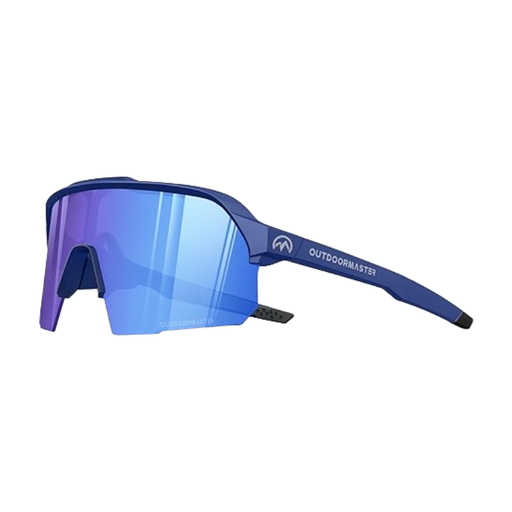
Why it suits this profile: A practical choice for sports enthusiasts who move between bright and overcast conditions and combine different activities.
As well as polarised lenses, the set includes a clear replacement lens. This means you do not have to use one dark lens in every type of weather.
According to the product information, the model has a TR90 frame, a UV400 rating, a VLT of 17% and a clear lens included.
Use this checklist before ordering cycling glasses or sunglasses for outdoor activities:
We have put together a complete, up-to-date list of products that fully meet these strict selection criteria and the applicable European safety regulations.
That depends on the lens. Polarisation can reduce glare on wet roads, but a very dark lens is not suitable in low-light conditions. A photochromic lens may change colour less inside a car because the windscreen filters UV radiation. Also check that your peripheral vision remains adequate.
Their lifespan depends on use, storage and damage. A TR90 frame may be suitable for regular use, but hinges, coatings and lenses remain susceptible to wear. Store the glasses in a case, do not place them lens-side down and replace them if they have deep scratches or visible damage.
Choose polarisation when glare from the road surface or water is your biggest problem. Choose photochromic lenses if you frequently move between sunlight and shade. For intensive cycling, a lightweight frame, secure nose support, non-slip temple tips and a wide lens may also be more important than one particular colour or coating.
