
Vandaag of morgen in huis

Kwaliteit gegarandeerd

Welkomstaanbiedingen ontgrendelen: GRATIS bezorging | Tot 80% korting | Gratis 30 dagen JoyPlus-proefperiode
Download de app
Sports sunglasses need to do more than look the part. You don’t want a pair that slips at the first bump on a bike ride. When driving, lenses that are too dark can restrict your vision. And when you’re travelling, bulky frames often get left at home if they’re awkward to pack.
The right choice depends on how you’ll use them, how they fit and their lens specifications. Below, we’ve rounded up the key things to consider, along with some popular options for cyclists, runners and everyday wear.
Dark lenses feel comfortable in bright sunlight, but their tint alone tells you little about UV protection. Check that UV400 protection is clearly stated in the product specifications. This means protection against ultraviolet light up to 400 nanometres. The product descriptions for the models below state that they offer UV400 protection; always check the latest information on the product page.
A lens that looks darker isn’t automatically a better choice. A lens that’s too dark can be impractical, especially in changeable weather.
Polarised sunglasses can reduce distracting reflections from tarmac, water and metal surfaces. That’s useful when cycling, boating or driving. However, polarised lenses aren’t right for every situation. In low light, a lens with low light transmission may be less suitable.
So check the VLT rating: Visible Light Transmission tells you how much light passes through the lens. A VLT of around 15% is intended for bright conditions; a higher value lets in more light.
A frame may feel comfortable in the shop but start pressing on your nose or behind your ears during a long ride. Look for:
TR90 sunglasses have a lightweight, flexible thermoplastic frame. This can be practical for sports, but the fit still depends on the shape of your face.
Choose sunglasses with explicitly stated UV400 protection. Polycarbonate, TAC and nylon lenses each have their own properties. Polycarbonate is often used for impact-resistant sports lenses. TAC lenses are common in polarised models. Nylon lenses can combine a light weight with clear vision.
Also check the warnings. Sports sunglasses aren’t the same as certified eye protection for grinding, welding or high-impact work. Don’t use them for these activities, even if the product description mentions impact resistance.
Sunglasses that reduce glare are particularly useful for dealing with reflections from wet roads, water and light-coloured paving. According to the product specifications, the polarised lenses on several models reduce these kinds of reflections. A mirror coating can also reflect bright light, but the coating colour alone doesn’t determine how well the sunglasses perform.
For cycling in open countryside, a good fit and sufficient coverage are at least as important as lens colour. An aerodynamic design can also help keep wind away from your eyes.
According to the product description, photochromic sunglasses change tint as UV exposure changes. This is handy on a bike ride with a mix of sunshine and cloud. Bear in mind that car windows can block UV light, so photochromic lenses may not darken as much inside a car.
Another option is sports sunglasses with interchangeable lenses. A clear lens is useful in cloudy or low-light conditions, while a dark or polarised lens is better suited to sunny weather.
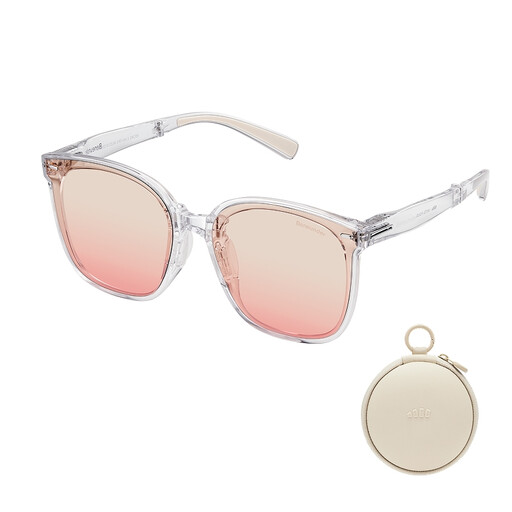
Why it suits this profile: These foldable sunglasses are designed for everyday wear, driving and travel. According to the product specifications, they weigh 26 grams and fold down to around 35 mm thick.
The product description states that they offer UV400 protection and have an anti-reflective coating. The foldable design means they won’t take up too much space.
TR90 frame, nylon lenses, lightweight construction and a compact tri-fold design for your bag or dashboard.

Why it suits this profile: According to the product specifications, this model combines photochromic and polarised lens technology. It’s a good fit for cyclists riding through open sunshine, shade and cloud.
The choice of photochromic or polarised lenses helps you adapt to changing conditions. Bear in mind that the lenses may not darken as much behind car windows.
TR90 frame, adjustable nose pads, polycarbonate lenses, stated UV400 protection and a weight of around 26 to 29 grams.
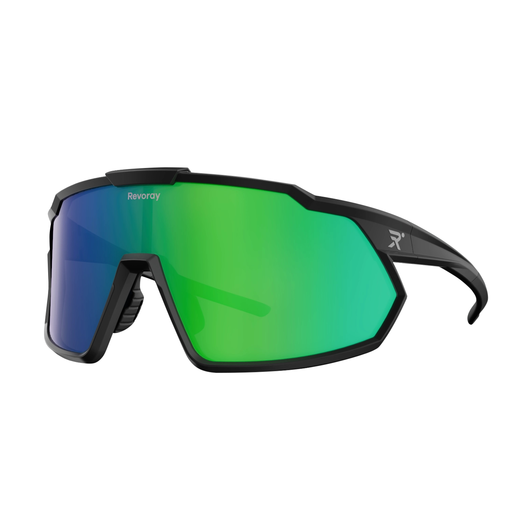
Why it suits this profile: According to the product information, these cycling sunglasses are designed for road cycling, mountain biking and other outdoor sports. The adjustable nose pads are practical for long periods of activity.
The product specifications state that they weigh around 33 grams and have non-slip nose pads, plus water- and oil-resistant coatings. These features help avoid practical problems on rides.
TAC polarised lens, around 15,2% VLT, TR90 frame and, according to the product listing, tested to ANSI Z87.1.
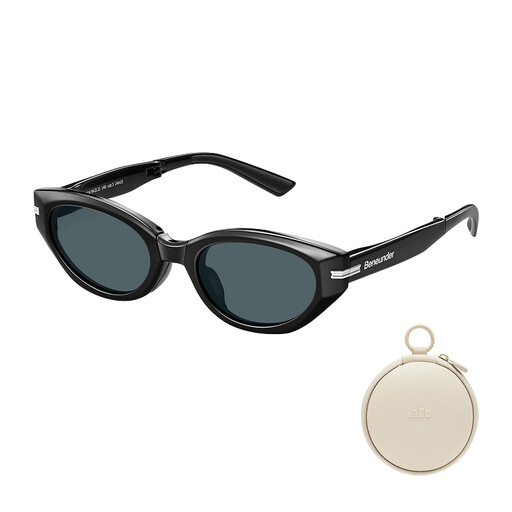
Why it suits this profile: This compact cat-eye style combines everyday comfort with a foldable frame. It’s a good choice if you’re looking for sunglasses for walks, sitting outside, driving and holidays.
The product specifications state that they offer UV400 protection, have an anti-reflective coating and feature a foldable design. Do check that the cat-eye shape suits your face.
TR90 material, nylon lenses, soft arms and air-cushioned nose pads, according to the product description.
Your sunglasses will last longer if you clean the lenses with water and a soft microfibre cloth. Avoid harsh alcohol-based products if the manufacturer advises against them. Keep your sunglasses in the case provided and don’t leave them on a hot car window for long periods.
Replace your sunglasses if the lenses have deep scratches, your vision is distorted or the frame no longer fits securely. Scratches won’t disappear with a new coating. When buying, also check the returns policy and any warranty.
We’ve put together a complete, up-to-date list of products that meet these strict selection criteria and current European safety regulations.
They can be, especially in bright light and when dealing with reflections from tarmac, water or metal surfaces. Also check the VLT rating and fit. Low light transmission is less practical in cloudy weather or at dusk.
Their lifespan depends on how they’re used, stored and cared for. The frame may last longer than the lens coating. Replace your sunglasses if the lenses have deep scratches, the coating is damaged or the fit becomes loose.
Not always. According to the product information, photochromic lenses may not darken as much inside a car because the windscreen blocks some UV rays. A fixed tint can sometimes be a more predictable choice for driving.
