
Vandaag of morgen in huis

Kwaliteit gegarandeerd

Welkomstaanbiedingen ontgrendelen: GRATIS bezorging | Tot 80% korting | Gratis 30 dagen JoyPlus-proefperiode
Download de app
A good pair of sports sunglasses for cycling needs to do more than just look sporty. During a long ride, you’ll face bright sunlight, glare from the road surface, wind, dust and changing light conditions. A frame that’s too heavy or doesn’t stay put can quickly become irritating.
So don’t just focus on a dark lens or a flashy colour. The following three pitfalls are common:
A pair of cycling sunglasses with UV400 protection is designed to block UVA and UVB rays according to the product listing. Also check the lens category or light transmission level. A low VLT value means less visible light passes through the lens. That can be pleasant in bright summer sunshine, but less practical in cloudy weather.
A photochromic pair of cycling sunglasses works differently. The lens adjusts its tint based on UV exposure, as described in the product details. With the OutdoorMaster models below, this ranges from category 0 to category 3 according to the specifications. Bear in mind that a windscreen can block UV radiation, so a photochromic lens may not darken as much inside a car.
A polarised lens is especially useful for cyclists on roads with bright light, motorists and outdoor sports enthusiasts near water. The lens is designed to reduce annoying glare from horizontal surfaces. This doesn’t mean every image automatically becomes sharper in every situation.
If you’re looking for an anti-glare pair of sunglasses, you should also pay attention to coatings and care. Water- and oil-repellent layers can help make smudges and raindrops easier to remove, according to the product information. For cleaning, it’s best to use a soft microfibre cloth. Cleaning products containing alcohol or harsh chemicals can damage coatings.
A lightweight TR90 pair of sunglasses can be comfortable during long rides. TR90 is a thermoplastic material that product descriptions link to flexibility, shape retention and low weight. Also look for:
Impact-resistant lenses are not the same as safety glasses for grinding, welding or machinery. Only use sports glasses within their intended application and replace the lens if it becomes scratched or damaged.

Why this fits the profile: A practical choice for recreational cyclists who mainly ride on sunny days and appreciate a complete set.
The product listing mentions polarised TAC lenses, UV400 protection and a TR90 frame. The included EVA case helps protect the glasses during storage.
TR90 frame, polarised TAC lens, UV400 according to the specification and accessories including a pouch, case and cord.

Why this fits the profile: Ideal for cyclists and runners who often move between open terrain, shade and changing weather conditions.
The combination of photochromic and polarised technology means you’re not reliant solely on a fixed dark lens. The adjustable nose pads support a more personalised fit.
According to the product information, the photochromic version weighs 29 grams and the polarised version weighs 26 grams. The lens adjusts its tint from category 0 to 3.
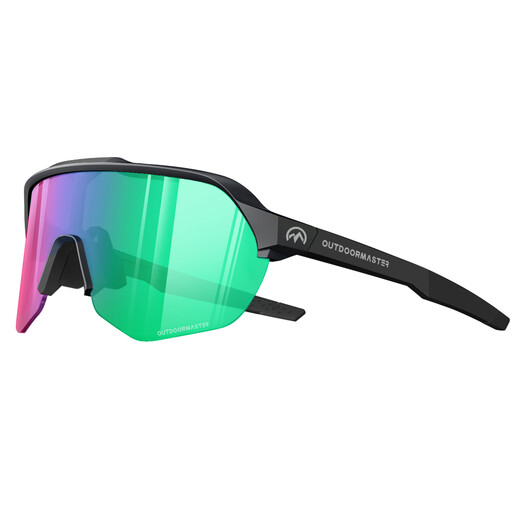
Why this fits the profile: Handy if you want one pair of glasses for cycling, golf, fishing, boating and driving sunglasses.
According to the specifications, the set includes a clear replacement lens. This means you can swap lenses in cloudy or low-light conditions rather than riding with a single dark lens.
TR90 frame, polarised HD lens, UV400 according to the product listing and a system with interchangeable lenses.
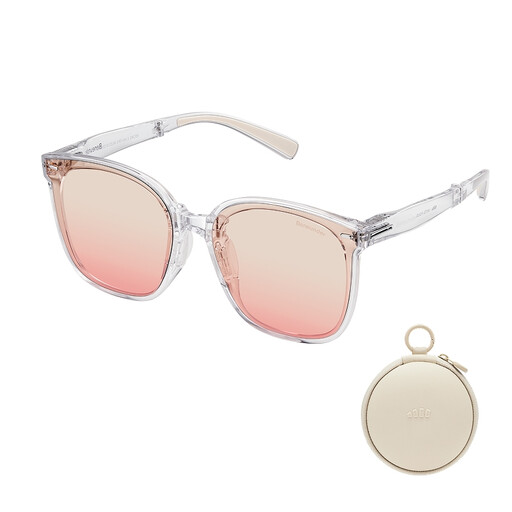
Why this fits the profile: A compact option for travel, walking, daily cycling and driving where storage space matters.
The foldable design reduces the space the glasses take up. The specifications mention a weight of 26 grams and a folded thickness of 35 millimetres.
TR90 frame, nylon lenses with UV400 listing and an anti-reflection coating according to the product description.
We’ve put together a full, up-to-date list of products that fully meet these strict selection criteria and comply with current European safety regulations.
Not always. Polarisation can reduce glare from road surfaces and water, but in low light a dark lens can limit visibility. For changing conditions, a photochromic pair of cycling sunglasses or a model with interchangeable lenses is more practical.
The lifespan depends on use, storage and care. Scratches, loose parts and damaged coatings are reasons to replace a pair. Store the glasses in a hard case and clean the lens with a microfibre cloth. Do not use them as a substitute for industrial eye protection.
Yes, as long as the lens offers sufficient visibility and the fit remains comfortable. With photochromic lenses, be aware of the warning that they may not darken as much in vehicles because the windscreen blocks UV radiation. Also check that the lens colour and light transmission suit your driving conditions.
