
Vandaag of morgen in huis

Kwaliteit gegarandeerd

Welkomstaanbiedingen ontgrendelen: GRATIS bezorging | Tot 80% korting | Gratis 30 dagen JoyPlus-proefperiode
Download de app
Sports sunglasses need to do more than just shield your eyes from bright light. When you’re out cycling, you’ll encounter wind, dust, reflections from wet tarmac and changing light conditions. A pair that sounds impressive on paper may still feel uncomfortable or get damaged quickly in practice.
As a Joybuy Product Recommendation Officer, I filter product information for concrete specifications. This helps you see which features are relevant and which marketing claims are best treated with a degree of caution.
UV400 protection is often highlighted, but check what materials and lens coatings are used too. A product description should make clear whether it refers to a coating, the lens material or a stated level of protection. According to the product information provided by the brands mentioned, these models offer UV400 protection. Always check the latest specifications and conformity information before buying.
Polarised sunglasses can reduce distracting reflections from water, car windows and tarmac. However, polarisation alone says nothing about impact resistance, fit or the level of UV protection. For road cycling and mountain biking, a secure frame and sturdy lenses are important too.
Lightweight sunglasses are comfortable on long rides, but weight alone doesn’t determine how comfortable they are to wear. Look for rubberised non-slip parts, adjustable nose pads and the width of the frame too. Sunglasses that shift at every bump can be distracting and offer less protection from wind and dirt.
Look for a clear statement of UV400 protection. Also check whether the lens is suitable for the amount of light you’ll be riding in. According to OutdoorMaster’s product description, a photochromic lens can change from category 0 to category 3 in response to UV light. Bear in mind that a windscreen can block UV light, meaning the lens may not darken as much in a car.
A dark lens isn’t automatically safer. For riding at dusk, on wooded routes or in changeable weather, a very dark lens may actually be less practical.
Polarised sunglasses are particularly worth considering if you often ride near water, on open roads or around vehicles. The Revoray Y1 series lists visible light transmission of around 15,2 per cent. According to the product information, this is best suited to bright conditions.
Be aware of possible compatibility issues with some digital displays or bike computers. Check this in advance if you rely on reading information from a screen while cycling.
TR90 is a thermoplastic material used in several models for its combination of flexibility and low weight. Polycarbonate and TAC lenses have different properties:
Check the stated weight too. According to the listings, the Revoray Y1 models weigh around 33 grams, while the Revoray X3 models weigh around 30 grams. These are verifiable details, but actual comfort also depends on the shape of your face.
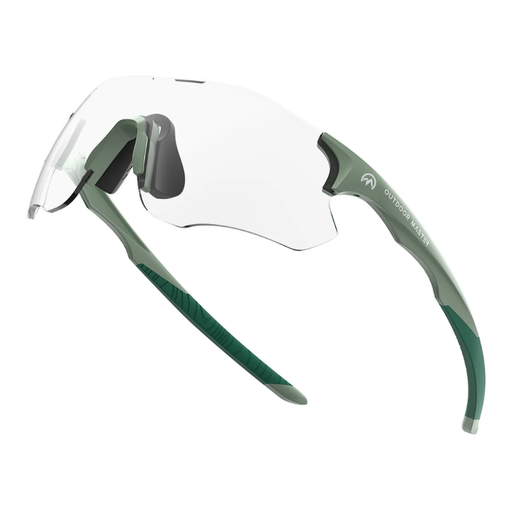
Why this suits this profile: The photochromic lens is practical for cyclists who move between open roads, overcast conditions and shady routes. According to the product information, the package also includes a case, cloth, cord and replacement nose pads.
The product description lists a lens range from category 0 to category 3, so you’re not reliant on a permanently dark lens. The listing also says that the frame has non-slip gel.
TR90 frame, HD photochromic lens, polarised design and UV400 protection according to the product information.
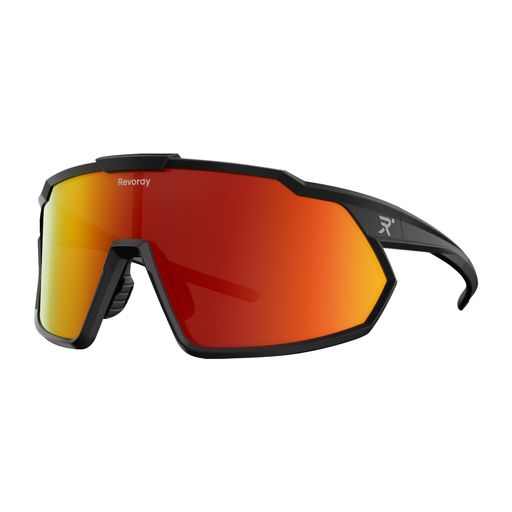
Why this suits this profile: This model is designed for road cyclists and mountain bikers looking for polarised cycling sunglasses with a secure fit for bright conditions.
The listing mentions adjustable silicone nose pads and non-slip arms. It also lists water- and oil-repellent, scratch-resistant coatings, which may make the sunglasses easier to maintain.
Around 33 grams, TR90 frame, TAC polarised lens, approximately 15,2 per cent visible light transmission and a stated ANSI Z87.1 performance test.
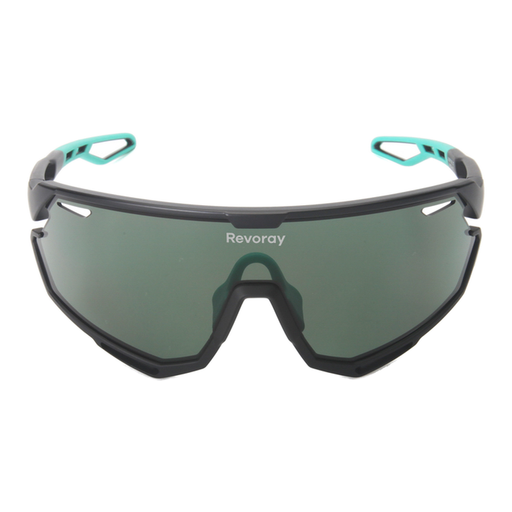
Why this suits this profile: The integrated lens and streamlined design are aimed at road cyclists, mountain bikers and anyone who values a wide field of vision and a secure fit.
The product information lists a rubber nose pad, non-slip arms and an integrated PC lens. These features help limit movement while you’re active, but the fit still depends on the shape of your face.
Around 30 grams, TR90 frame, one wide PC lens, aerodynamic shape and UV400 protection according to the product listing.
For travellers and motorists, folding sunglasses may be more convenient than large cycling glasses. According to the product information, the Beneunder FD421 weighs around 26 grams and folds down to approximately 35 millimetres thick. The brand lists the nylon lens and UV400 coating as features for everyday use.
Do you wear prescription glasses? Fit-over sunglasses, such as the Xiaomi Polarized Fitover Sunglasses, are specially designed to fit over your prescription glasses. Check the dimensions of your frames first to make sure the fit-over sunglasses don’t press against your lenses or temples.
We’ve put together a complete, up-to-date list of products that meet these strict selection criteria and the applicable European safety regulations.
They can be, especially in bright sunlight and when dealing with reflections from tarmac, water or metal surfaces. Check that the lens won’t be impractically dark in overcast conditions and that you can still read your bike computer clearly.
Their lifespan depends on use, storage and care. Replace your sunglasses if the lenses develop deep scratches or cracks, or if the coating starts to peel. Store them in a hard case and clean them with water and a soft microfibre cloth. Avoid harsh alcohol-based cleaners or solvents if the product instructions advise against them.
You can wear cycling sunglasses in the car, but according to the product information, a photochromic lens may not darken enough behind a windscreen. A standard pair of polarised sunglasses or a fit-over style is often more practical for driving. Also make sure you can see clearly in tunnels, shade and changeable weather.
