
Vandaag of morgen in huis

Kwaliteit gegarandeerd

Welkomstaanbiedingen ontgrendelen: GRATIS bezorging | Tot 80% korting | Gratis 30 dagen JoyPlus-proefperiode
Download de app
Sports sunglasses need to do more than look the part. On a bike ride in the Netherlands, you can encounter changing light, wind, rain, dust and glare from wet tarmac. The wrong choice can quickly become uncomfortable or end up unused in a drawer.
The main pitfalls are not always obvious from a product photo. Pay particular attention to the lens specifications, fit and intended use.
UV400 protection and polarisation are not the same thing. UV400 refers to protection against ultraviolet light up to 400 nanometres. Polarisation is designed to reduce distracting reflections, for example from water, car windows or wet roads.
Polarised sports sunglasses can be a good choice for sunny bike rides, but also check that UV400 is clearly stated in the product specifications. A coloured or mirrored lens is not, by itself, proof of UV protection.
A very dark lens can be comfortable in bright sunshine, but less suitable when you’re cycling through a wood or riding home at the end of the afternoon. The VLT value indicates how much visible light passes through the lens. A low VLT generally means a darker lens.
For changing conditions, photochromic cycling glasses may be more practical. According to OutdoorMaster’s product information, the lens changes from category 0 to category 3 depending on UV exposure. The manufacturer also states that the lens may not darken as much in a car, as the windscreen blocks UV light.
Lightweight cycling glasses aren’t automatically comfortable. The nose bridge, non-slip parts, lens shape and width all help determine whether the glasses stay in place while you’re moving. A frame that’s too narrow can press against your temples. Glasses that are too wide may slip in the wind or over bumps.
As well as checking the weight, look at the stated fit, dimensions and whether the glasses have adjustable nose pads.
For cycling and other recreational outdoor sports, you’ll often come across polycarbonate (PC), TAC or nylon lenses. Product descriptions often associate PC lenses with impact resistance and a wide field of vision. TAC lenses are commonly used in polarised styles.
Pay attention to the exact wording. Claims such as “impact-resistant” or “HD” come from the brand’s product information and shouldn’t be taken to mean protection against every type of impact. These products aren’t intended to replace safety glasses for grinding, welding or high-impact work.
When choosing sunglasses for cycling, it’s best to pick a model that explicitly states UV400. On polarised models, the lens can reduce distracting glare from roads or water. This makes polarised sports sunglasses an interesting option for road cycling, boating, driving and golf.
However, polarisation isn’t necessary for every situation. For mountain biking in dense woodland, a lighter or photochromic lens may be more suitable than a very dark one.
TR90 sunglasses use a thermoplastic frame that, according to product information, can be lightweight, flexible and shape-retaining. However, the material alone doesn’t tell you whether the glasses will fit your face. Also check:
On longer rides, a secure fit matters more than a striking colour or mirrored coating.
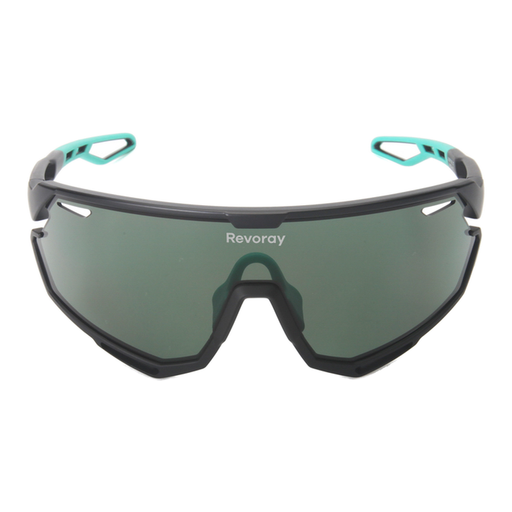
Why it suits this type of user: These cycling glasses combine a PC lens and a TR90 frame with a stated UV400 rating, and weigh around 30 grams. They’re a straightforward choice for recreational cyclists looking for one pair for the road, the park and light mountain biking.
The product information lists UV400, a wide integrated lens and non-slip parts. That means you don’t have to rely solely on a dark lens or a sporty look when making your choice.
TR90 frame, around 30 g, PC lens, stated UV400 rating, and rubber nose pads and arms according to the product specifications.
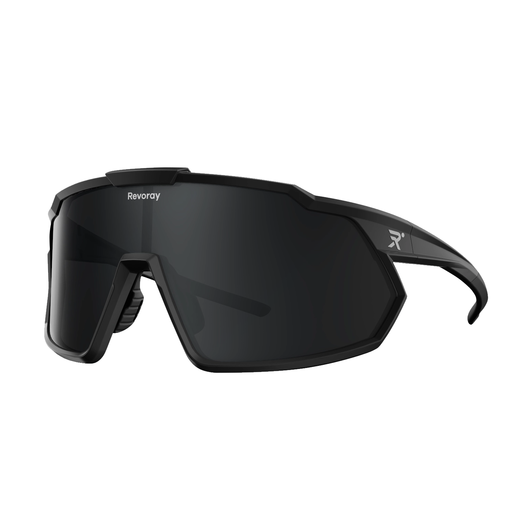
Why it suits this type of user: The combination of polarised TAC lenses, adjustable nose pads and a stated weight of around 33 grams suits road cyclists who value reduced glare and a precise fit.
The specifications state both polarisation and UV400. They also give a VLT value of around 15.2%, so you can better match the lens tint to sunny conditions.
TAC polarised lens, around 33 g, TR90 frame, water- and oil-repellent coating, and adjustable non-slip nose pads according to the product description.
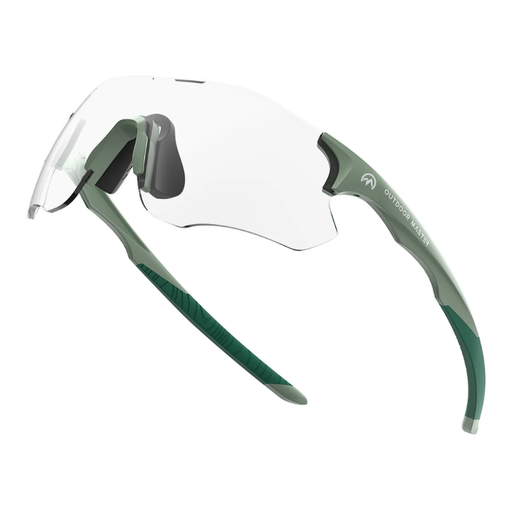
Why it suits this type of user: These photochromic cycling glasses are designed for people who often ride through open areas, shade and changing light conditions. The included case and replaceable nose pad are handy for regular use.
The product information specifies that the lens adjusts from category 0 to category 3, making it clearer which changes in light the model is designed for. The manufacturer says the lens may darken less in a car.
Photochromic HD lens, stated UV400 rating, TR90 memory frame, non-slip gel and included EVA case according to the product description.
After a dusty ride, rinse the lens with clean water before wiping it. Then use a soft microfibre cloth. Avoid alcohol and harsh cleaning products if the product information advises against them. Store the glasses in a hard case and don’t leave them under heavy objects or in high temperatures for extended periods.
Scratches, loose arms or a distorted frame are reasons to replace your glasses. Sports sunglasses aren’t safety glasses for machinery, welding or work involving flying metal fragments.
We’ve put together a complete, up-to-date list of products that meet these strict selection criteria and the applicable European safety regulations.
Yes, especially in bright sunshine and when there are reflections from wet roads, water or cars. Always check separately that UV400 protection is stated. Polarisation alone doesn’t tell you what UV protection the lens offers.
It depends on how you use, care for and store them. With daily cycling, scratches and wear may appear sooner. Replace your glasses if the lens is damaged, your vision is obstructed or the fit is no longer secure.
Not always. According to OutdoorMaster’s product information, a photochromic lens may change colour less in a car because the windscreen filters out UV light. A separate pair of sunglasses or fit-over glasses may therefore be more practical for driving.
