
Vandaag of morgen in huis

Kwaliteit gegarandeerd

Welkomstaanbiedingen ontgrendelen: GRATIS bezorging | Tot 80% korting | Gratis 30 dagen JoyPlus-proefperiode
Download de app
Sports sunglasses need to do more than look sporty. When cycling, running or driving, you want a stable fit, sufficient protection against UV radiation and as few distracting reflections as possible. Yet buyers regularly pay for features that do not suit the way they use them.
The three most common pitfalls:
The term UV400 sunglasses refers to protection against UV light up to a wavelength of 400 nanometres. Do not only look for words such as “HD”, “mirror” or “dark lens”. On their own, these say nothing about UV protection.
UV400 protection is stated in the product information for the selected models. Brands may also mention their own test results or certifications. According to Revoray’s product information, for example, the Y1 models offer UV400 protection and have been tested in accordance with the ANSI Z87.1 performance standard. Treat this as the manufacturer’s product specification, not as a guarantee that the glasses are suitable for very high-impact work, such as grinding or welding.
Polarised sunglasses use a filter that can reduce reflections from horizontal surfaces. This is particularly relevant for cyclists on wet tarmac, watersports enthusiasts and drivers in low sunshine. A standard anti-reflective coating works differently: it is designed to reduce reflections on or around the lens surface.
Also check the lens colour and visible light transmission. A dark lens can be comfortable in bright sunlight, but less practical in cloudy weather or dark surroundings. Some OutdoorMaster models come with a clear replacement lens. According to the manufacturer, it is intended for cloudy conditions or low light.
Lightweight sunglasses reduce pressure on your nose and ears during long rides. TR90 is a thermoplastic material used in several models in this selection. According to the product descriptions, it combines flexibility with resistance to deformation. This makes TR90 sunglasses practical for sports use, but the fit still depends on the shape of your face.
Pay attention to these points:

Why it suits this profile: This model combines a polarised TAC lens with a TR90 frame and comes with a pouch, EVA protective case, cord and polarisation test card. It is a practical choice if you are looking for cycling sunglasses without having to buy separate accessories.
The product information states both UV400 protection and polarisation, so you do not have to rely solely on the blue mirrored colour. However, the manufacturer warns that the glasses are not unbreakable.
TR90 frame, polarised TAC lens, UV400 according to the product description, and an aerodynamic shape for cycling and running.
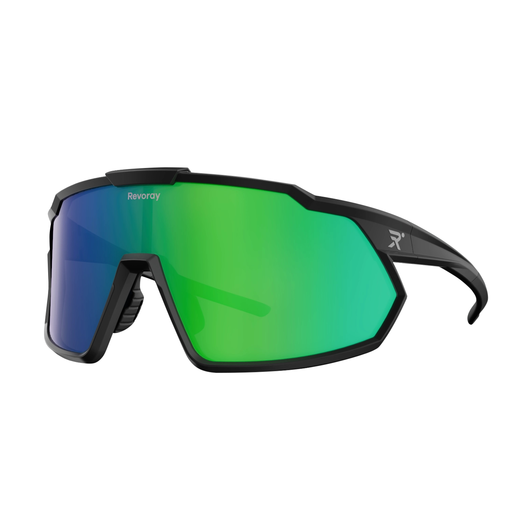
Why it suits this profile: For long rides and changing conditions, the adjustable silicone nose pads, non-slip details and coatings mentioned are designed to provide practical comfort. According to the product information, the lens has visible light transmission of approximately 15.2%.
The specifications mention more than just a colour or mirrored coating: they also include the lens material, UV400 protection, weight and an impact standard. According to the manufacturer, the model weighs approximately 33 grams.
Polarised TAC lens, TR90 frame, water- and oil-repellent coating, and stated ANSI Z87.1 impact-performance testing.
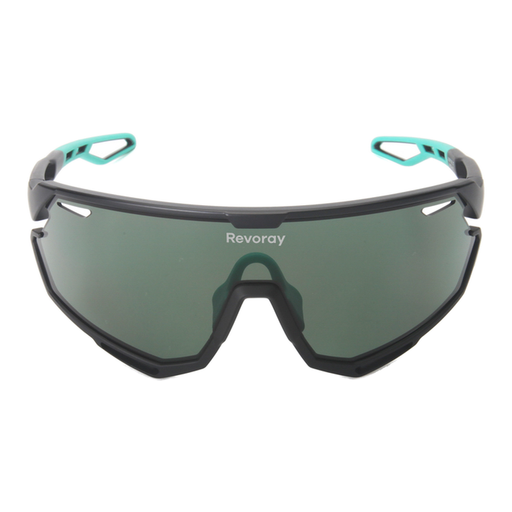
Why it suits this profile: The wide integrated PC lens and streamlined shape are designed for road cycling, mountain biking and other intensive outdoor sports. According to the product information, the model weighs approximately 30 grams and is suitable for medium to large faces.
The product information states the lens material, UV400 protection, weight and non-slip components. This allows you to assess the choice based on how you will use it, rather than appearance alone.
One-piece PC lens, TR90 frame, rubber nose pad and non-slip temple tips; according to the manufacturer, designed to stay securely in place during movement.
Not everyone is looking for cycling glasses. For travelling, everyday use or driving, foldable sunglasses may be more practical. According to the product information, the Beneunder FD421 weighs 26 grams and folds down to approximately 35 millimetres thick. The FD01h has a Boston shape, an adjustable fit and multiple lens coatings.
When choosing sunglasses for driving, make sure you have sufficient visibility in tunnels, car parks and cloudy weather. A heavily tinted or polarised lens is not automatically suitable for every traffic situation. Keep the glasses in a case and clean the lenses with a soft microfibre cloth; harsh cleaners can damage the coatings.
We have put together a complete, up-to-date list of products that fully meet these strict selection criteria and the applicable European safety regulations.
Yes, check that UV400 protection is clearly stated in the product specifications. A dark lens or mirrored finish is not, in itself, proof of UV protection. Also follow the manufacturer’s warnings and do not use sports glasses to look directly at the sun.
Their lifespan depends on use, storage and care. Scratches, loose temple arms or a distorted frame are reasons to replace the glasses. Rinse off dirt with water first, use a soft cloth and store the glasses in a protective case.
They can be, particularly if you are affected by reflections on wet tarmac or water. However, check that displays, sat-nav screens and dashboards remain clearly visible. For changing light conditions, a model with a clear replacement lens may be more convenient.
