
Vandaag of morgen in huis

Kwaliteit gegarandeerd

Welkomstaanbiedingen ontgrendelen: GRATIS bezorging | Tot 80% korting | Gratis 30 dagen JoyPlus-proefperiode
Download de app
Sports sunglasses need to do more than look sporty. During a bike ride in the Netherlands, you may encounter low sun, wind, splashing water, dust and rapidly changing light conditions. The wrong cycling glasses can steam up, slip or block out too much light.
The market is full of terms such as HD, polarised, UV400 and impact-resistant. These words are only useful if you know what they mean in practice. Below, you’ll find out which specifications to check, which marketing pitfalls are common and which type of sports glasses for cycling best suits the way you ride.
A dark lens is not automatically a UV400 pair of sunglasses. The colour or mirrored coating says little by itself about protection against UVA and UVB radiation. So check that UV400 is clearly stated in the product specifications. If this information is missing, it’s best to exercise caution.
Polarised sunglasses can reduce distracting reflections from wet tarmac, water and metal surfaces. This is useful on sunny bike rides. In wooded areas, tunnels or cloudy conditions, however, a dark polarised lens may be less practical. So also check the VLT value, which is the amount of visible light transmitted by the lens.
Lightweight sunglasses can be comfortable, but fit remains more important than weight alone. Cycling glasses that shift over every bump are distracting. Look for adjustable nose pads, non-slip components and the frame size. A TR90 frame is known for combining flexibility with low weight, but the fit varies from one face to another.
According to the product information, UV400 means that the lens should block UVA and UVB radiation up to 400 nanometres. Also check whether the seller provides information about the CE marking, manufacturer, EU responsible person and usage restrictions. Impact-resistant sports glasses for recreational cycling are not the same as certified eye protection for grinding work or industrial applications.
The Revoray Y1 models state that they offer UV400 protection, according to the product information. The Y1 range also mentions testing according to ANSI Z87.1. This is an American performance standard covering areas including impact resistance; use this information as a product specification, not as a replacement for every type of protective workwear.
Many sports glasses use TAC lenses, polycarbonate lenses or nylon lenses. TAC lenses are often combined with a polarising film. Polycarbonate is lightweight and widely used for integrated sports lenses. As well as the material, look at:
A VLT of around 15.2%, as stated for the Revoray Y1, is intended for bright conditions. According to the product information, the OutdoorMaster Hawk HD variants include VLT values of 12%, 18% and 48%. A higher VLT can be more practical if you often cycle between sunlight and shade.
Every contact point matters on long rides. Cycling sports glasses should not pinch at the temples and should not rest on your cheeks. A weight of approximately 26 to 33 grams falls within the lightweight category for the models mentioned. Also look for:
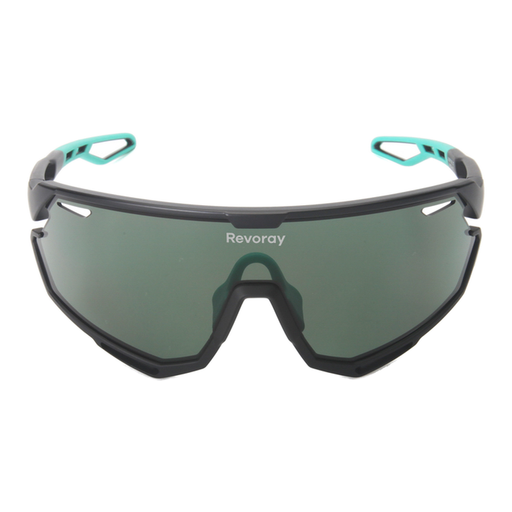
Why it suits this profile: These cycling glasses combine an integrated PC lens, a TR90 frame and a weight of approximately 30 grams. This makes them suitable for beginners looking for straightforward sports sunglasses for road cycling and recreational MTB rides.
The product specifications state UV400, non-slip components and a rubber nose pad. Before buying, check that the medium-large size suits your face.
TR90 frame, integrated PC lens, approximately 30 g and an aerodynamic shape according to the product description.
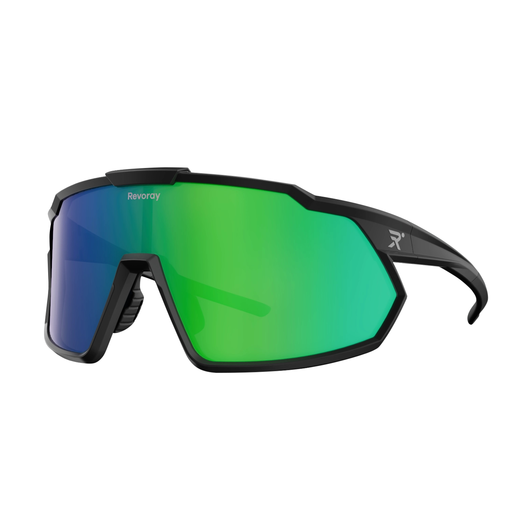
Why it suits this profile: The product information states that these glasses have TAC polarised HD lenses, approximately 15.2% VLT, a TR90 frame weighing around 33 grams and several lens coatings. This makes them suitable for long, sunny road-cycling rides.
The VLT value makes the lens choice more specific than simply relying on the term HD. According to the product information, the lenses also have water- and oil-repellent and scratch-resistant coatings.
Polarised TAC lenses, adjustable silicone nose pads, approximately 33 g and an ANSI Z87.1 mention in the product information.

Why it suits this profile: According to the product description, this model has photochromic and polarised PC lenses, a TR90 frame weighing between 26 and 29 grams, and adjustable nose pads. This can be useful for cyclists moving between open roads, woodland and cloudy conditions.
The combination of photochromic performance and the stated weight can be helpful in changing conditions. Before buying, check how the lens colour and VLT suit your regular routes.
Photochromic and polarised options, UV400 according to the product information, adjustable nose support and an included inner frame for prescription lenses.
We’ve put together a complete, up-to-date list of products that fully meet these strict selection criteria and the applicable European safety requirements.
Rinse off sand and dust with clean water before wiping the lens. Then use a soft microfibre cloth. Avoid alcohol, harsh cleaning products and kitchen paper, as these can damage coatings. Store the glasses in a hard case and don’t leave them on a hot dashboard for long periods.
Replace cycling glasses when the lens is deeply scratched, the coating starts to peel or the frame becomes misshapen. A damaged lens can impair your vision. Lifespan depends on use, care, storage and material; there is no fixed period that applies to every pair of sports glasses.
Yes, especially in bright sunlight and when dealing with reflections from wet roads or water. For rides with lots of shade, a lighter lens or a model with interchangeable lenses may be more practical. Check the VLT value before choosing.
According to the product specification, UV400 refers to protection against ultraviolet light up to 400 nanometres. Don’t rely solely on a dark lens: check that UV400 is explicitly stated and that the product information clearly covers the manufacturer and safety details.
You can with a dedicated fit-over model. Standard cycling glasses generally won’t fit over every frame. If you wear prescription glasses, you can also consider prescription sunglasses or a model with an included inner frame. Always check the dimensions and the space around the nose and temples.
