
Vandaag of morgen in huis

Kwaliteit gegarandeerd

Welkomstaanbiedingen ontgrendelen: GRATIS bezorging | Tot 80% korting | Gratis 30 dagen JoyPlus-proefperiode
Download de app
Sports sunglasses need to do more than simply look sporty. When cycling, running, playing golf or skiing, you may encounter bright sunlight, glare, wind and changing conditions. Yet many buyers end up paying mainly for marketing terms, while important details about fit, lens category and care are less clearly stated.
Use this practical checklist to compare sports sunglasses based on verifiable features. That way, you can avoid a disappointing purchase and choose a model suited to your activity.
The term UV400 protection refers to protection against ultraviolet light up to a wavelength of 400 nanometres. Always check that this specification is clearly stated in the product information. A dark lens without stated UV protection is not automatically a safe choice.
Sunglasses for outdoor activities also do not automatically protect against hard impacts. Sports models with impact-resistant lenses are designed for recreational conditions. However, according to the product warnings, they are not unbreakable and are not a substitute for certified eye protection when, for example, grinding or carrying out machine work.
Polarised sports sunglasses can reduce distracting reflections from water, tarmac and metal surfaces. This is useful for cyclists, anglers, motorists and golfers. However, a polarised lens is not automatically suitable for low light, wooded routes or overcast weather.
That is why you should pay attention to the VLT value: Visible Light Transmission indicates how much visible light the lens allows through. A lower VLT is generally intended for bright light, while a higher value lets more light through. Choose your lens according to how you will use it, rather than simply looking for the term ‘polarised’.
Lightweight cycling glasses weighing around 30 to 33 grams can be comfortable during long rides. However, the nose support, arms, non-slip components and frame width also determine whether the glasses remain comfortable to wear.
A model that is too loose may shift in wind or during movement. One that is too narrow may put pressure on your temples. So check the dimensions and see whether the nose pad or arms can be adjusted.
Many sports glasses use polycarbonate (PC) or TAC lenses. PC lenses are known for their low weight and impact-resistant properties. TAC lenses are often used in polarised models. Also look for:
TR90 is a thermoplastic material used in various models because it combines flexibility with low weight. TR90 sunglasses can be useful for long cycling trips or running sessions, but the material alone says nothing about the fit.
Pay attention to the following points:
For everyday use and cycling in bright weather, a tinted lens can be practical. For changing conditions, a model with interchangeable or photochromic lenses can offer greater flexibility. Ski goggles or snow goggles have different requirements: ventilation, an anti-fog coating, a wide field of view and, potentially, an OTG design for wearing over ordinary glasses.
According to the product description of the OutdoorMaster ULTRA models, they feature a magnetic lens system, ventilation foam and an OTG fit. The stated VLT values vary by version. So check which lens bundle you are selecting before purchasing.

Why it suits this profile: According to the product description, this model combines polarised TAC lenses, UV400 protection and a TR90 frame. This makes it a straightforward choice for anyone starting out with cycling, walking or driving.
The product information states both UV400 protection and impact-resistant properties. The warning that the glasses are not unbreakable helps prevent you from using them as industrial safety glasses.
Polarised TAC lens, TR90 memory frame, aerodynamic design and an EVA case with cleaning cloth.
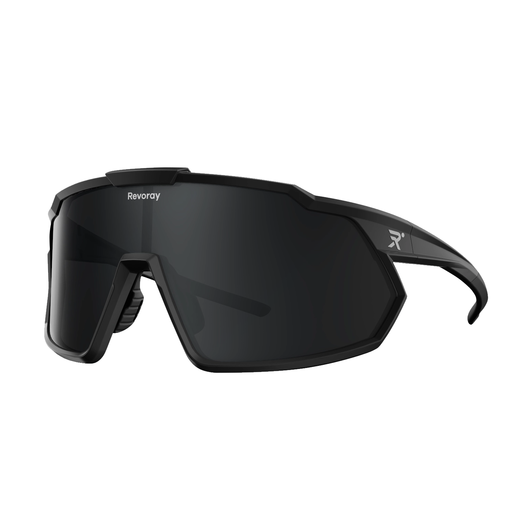
Why it suits this profile: For long rides, a stable fit is just as important as lens protection. According to the product description, this model weighs around 33 grams and has adjustable silicone nose supports.
The stated VLT of approximately 15.2% provides more information than a colour description alone. This makes it easier to judge whether the lens is suitable for sunny rides.
TAC polarisation, UV400 according to the product listing, water- and oil-repellent coating, and a stated ANSI Z87.1 performance standard.

Why it suits this profile: These snow goggles are designed for winter sports enthusiasts who want to cope with changing light conditions and minimise fogging. According to the product information, this version is suitable for glasses wearers thanks to its OTG design.
According to the specifications, the lens bundle contains a Silver lens with 10% VLT and a Clear lens with 90% VLT. This means you are not limited to a single lighting condition.
Magnetic lens-changing system, toric lens shape, ventilation with three-layer anti-fog foam and, according to the product description, 100% UV protection.
We have put together a complete, up-to-date list of products that fully meet these strict selection criteria and the applicable European safety regulations.
Sports sunglasses last longer if you avoid rubbing the lenses dry after they have been exposed to sand or salt. Rinse off dirt with clean water first, then use a soft microfibre cloth. Avoid alcohol, abrasive substances and harsh cleaning products if the manufacturer advises against them.
Store the glasses in a hard case and do not leave them in a hot car for extended periods. Replace the glasses if the lens is deeply scratched, cracked or optically distorted. Foldable sunglasses are handy for travelling, but always fold the frame at the intended hinges to avoid unnecessary strain.
They can be, particularly when dealing with reflections from tarmac, wet roads and water. However, check the VLT value and choose a lens suited to the amount of light during your ride. For dark woodland routes or overcast weather, a lighter or photochromic lens may be more practical.
UV400 means that, according to the product specification, the lens filters ultraviolet light up to 400 nanometres. Check that this claim is clearly stated for the specific model. UV400 does not automatically mean that the glasses are suitable for industrial impact risks or for looking directly at the sun.
Replace cycling glasses if they have cracks, deep scratches, loose parts or noticeable visual distortion. If the non-slip components no longer stay securely in place, a new model may also be safer and more comfortable during movement.
