
Vandaag of morgen in huis

Kwaliteit gegarandeerd

Welkomstaanbiedingen ontgrendelen: GRATIS bezorging | Tot 80% korting | Gratis 30 dagen JoyPlus-proefperiode
Download de app
A sports sunglasses needs to do more than just look sporty. Whether you're cycling through the countryside, going for a trail run or driving the car, you need protection from bright light, wind and dust. At the same time, the glasses must stay comfortable without pinching or slipping.
The choice may seem straightforward, but product descriptions often use terms that don't always mean the same thing. This buying guide helps you compare the key features of cycling glasses, polarised sports sunglasses and regular sunglasses for outdoor activities.
UV400 refers to protection against ultraviolet light up to a wavelength of 400 nanometres. That's an important product specification, but it doesn't automatically mean the glasses are suitable for work involving flying particles, welding or other heavy impacts. Even an impact-resistant sunglasses is not unbreakable.
So check what the glasses are intended for. A pair of cycling glasses is designed for recreational or sporting use, not as safety eyewear for grinding or machining.
A polarised sports sunglasses can reduce annoying glare on water, wet tarmac and snow. That's practical for anglers, motorists and cyclists. However, the lens can be darker and less suitable in tunnels, twilight or dense woodland.
If you often move between sun and shade, you might be better off with a photochromic sunglasses. According to product information from OutdoorMaster, certain lenses change tint from category 0 to category 3 under the influence of UV light. In a car, this effect can be limited because the windscreen blocks UV light.
A lightweight sunglasses weighing 26 to 30 grams can be comfortable to wear, but fit is at least as important. Glasses that are too wide can let wind in or slip about. A frame that's too tight, on the other hand, creates pressure on the temples and nose.
Look out for adjustable nose pads, rubberised temple tips and the stated fit. TR90 is a flexible thermoplastic material used in many sports glasses. The material supports a low weight and shape retention, but on its own it says nothing about the precise fit on your face.
Choose a lens with clearly stated UV400 protection. Also check the lens category or visible light transmission, if it's listed. A low VLT value means less visible light is let through and can be suitable for bright sunlight. For changing conditions, a lighter or photochromic lens is more practical.
A sunglasses for driving must offer sufficient contrast and must not unnecessarily restrict your vision. A photochromic lens doesn't always darken in the car; this is also stated as a warning in the product information for several OutdoorMaster models.
PC lenses, or polycarbonate, are often used in sports glasses because of their low weight and described impact resistance. An integrated lens generally offers a wide field of vision without interruption from a centre rim. Always check the manufacturer's safety warnings though.
"Impact-resistant" does not mean you can use the glasses as certified eye protection for heavy work. Replace glasses as soon as the lens shows deep scratches, cracks or other damage.
For road cycling and mountain biking, a stable nose bridge and anti-slip temple tips are useful. An aerodynamic design can reduce wind pressure, but comfort during prolonged use depends mainly on the shape and adjustment.
Check:
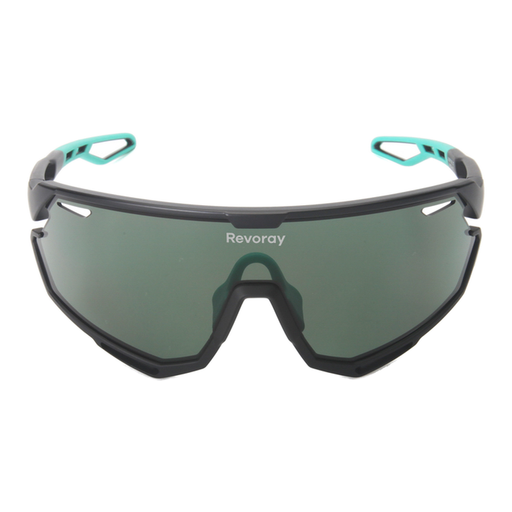
Why this fits the profile: These cycling glasses combine a PC lens, TR90 frame and a weight of around 30 grams. That makes them suitable for beginner road cyclists and mountain bikers looking for one pair of sports glasses for regular outdoor use.
The product description mentions UV400, an integrated lens and anti-slip parts. Do check the size before buying, as the fit is medium to large.
TR90 frame, PC lens, UV400 stated, rubberised nose pad and aerodynamic shape according to the product information.

Why this fits the profile: For cyclists and runners who often move between open sun, shade and cloud cover, this model offers both photochromic and polarised technology according to the product description.
The product information lists different weights for the lens variants and warns that photochromic lenses may darken less in a car.
TR90 frame, PC lenses, UV400, adjustable nose pads and an included inner frame for prescription lenses according to the product page.
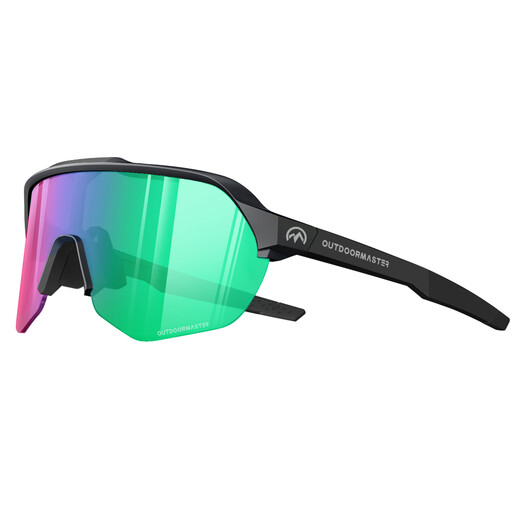
Why this fits the profile: This variant is aimed at anglers, golfers, sailors and motorists who want to limit glare and value a interchangeable lens for less sunny conditions.
The included clear replacement lens means you're not solely reliant on a dark polarised lens in cloudy or low-light conditions.
Polarised TAC lens, TR90 memory frame, UV400 stated, case and clear replacement lens according to the product description.
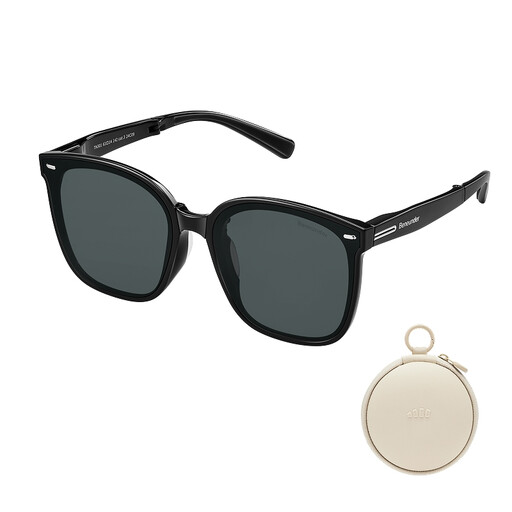
Why this fits the profile: The foldable sunglasses are especially handy for travel, daily commuting and use in the car. According to the product information, the model weighs 26 grams.
The three-part folding design makes the glasses compact for a bag or glovebox. Do fold and unfold them carefully to protect the hinges and coating.
TR90 frame, nylon lenses with UV400 coating, anti-reflection coating and a folded thickness of approximately 35 millimetres according to the product page.
We've put together a full, up-to-date list of products that fully meet these strict selection criteria and current European safety regulations.
Rinse sand and dust off with clean water first before wiping the lens. Use a soft microfibre cloth and avoid alcohol, harsh cleaners and paper tissues. Store the glasses in a hard case, not loose in a cycling bag with keys or tools.
Scratches reduce visibility and can damage coatings. Replace the glasses if damaged and follow the care instructions on the product page. The stated lifespan depends on use, storage and handling; manufacturers don't give the same period for every model.
That depends on the lens colour, light transmission and fit. A polarised lens can reduce glare, but a dark lens isn't pleasant in every traffic situation. Photochromic lenses may have a limited reaction in a car because of the UV-filtering windscreen. Always check that you can still clearly see traffic signs, cyclists and dashboard information.
Cycling glasses often have a larger field of vision, anti-slip parts, a curved lens and a frame designed for movement. Regular sunglasses can be fine for walking or travelling, but don't always offer the same stability against wind and vibration. Look mainly at UV400, fit, lens material and the intended use.
The price varies based on lens material, polarisation, photochromic technology, interchangeable lenses and included accessories. Don't just compare the price, but also the specifications, fit, warranty and care requirements. That way you avoid having to replace a cheap purchase quickly.
