
Vandaag of morgen in huis

Kwaliteit gegarandeerd

Welkomstaanbiedingen ontgrendelen: GRATIS bezorging | Tot 80% korting | Gratis 30 dagen JoyPlus-proefperiode
Download de app
The right pair of sports sunglasses can make the difference between a comfortable bike ride and constant irritation. Yet, the search is often frustrating. You're bombarded with technical jargon and marketing promises. The result? You overpay for glasses that slip, fog up, or simply don't do what you need them to.
Before you make a choice, it's helpful to recognise the most common pitfalls. This will help you avoid a bad purchase.
You don't need to be a material scientist to make a good choice. Focus on two concrete specifications that directly impact comfort and performance.
The lenses determine what you see. The choice depends on your activity and the conditions.
Sports glasses need to stay in place, no matter how intensely you move. The material and fit are crucial here.
Based on these objective criteria, we have selected a few models that suit different types of athletes.
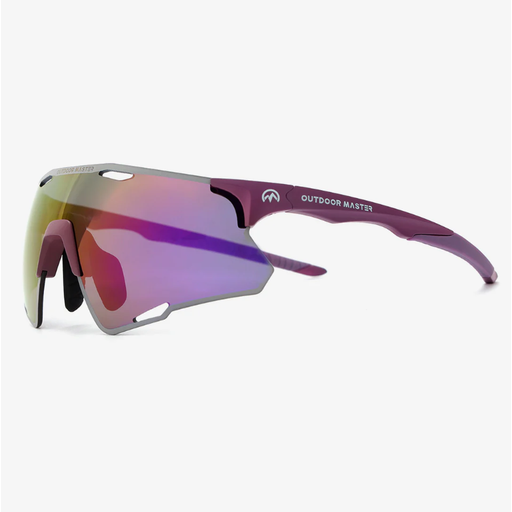
Why it's a match: For the serious cyclist or runner focused on performance. These glasses are designed for clear vision and stability at high speeds or during intense movement.
The ultra-light TR90 frame (25.5 grams) and adjustable nose pads prevent the glasses from slipping, even with perspiration.
The HD polarised lenses reduce glare on wet roads, while the ventilated design prevents fogging.
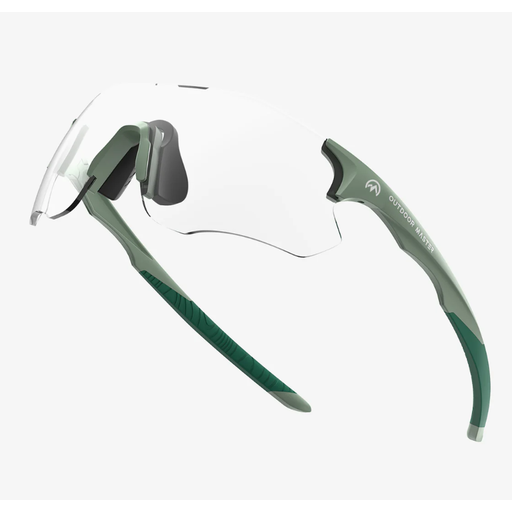
Why it's a match: Ideal for those who practice various sports and often deal with changing light conditions, such as in mountain biking or trail running.
The photochromic lenses solve the "too dark or too light" problem. You don't need to swap lenses when the weather changes.
The lenses automatically adjust from nearly clear (Cat. 0) to dark (Cat. 3), ensuring optimal vision in any situation.

Why it's a match: A straightforward solution for athletes who wear prescription glasses and don't want to spend a fortune on special prescription sunglasses.
This model is specifically designed to fit over an existing frame, so you don't have to compromise between sharp vision and sun protection.
An affordable and effective 'fit-over' solution with polarised lenses that reduce glare.
We have compiled a complete, up-to-date list of products that fully meet these strict selection criteria and safety regulations.
They are two different technologies for two different problems. Polarised lenses are designed to filter glare from reflective surfaces like water and wet asphalt. This provides a calmer, higher-contrast view. Photochromic lenses react to UV light, automatically getting darker or lighter. They are ideal for changing light conditions but don't necessarily filter glare unless they are also polarised (some models combine both).
Foggy lenses are caused by the temperature difference between your warm face and the colder air, combined with sweat. Look for glasses with a ventilated design, often small openings at the top or side of the lenses. This promotes air circulation and helps reduce condensation. A good fit that isn't too tight against your face can also help.
For most sports, yes. The main advantage of a TR90 sunglass is its combination of properties. The material is extremely lightweight, which prevents pressure points and irritation during prolonged wear. Additionally, it is highly flexible and shock-resistant. Where a standard plastic frame might break upon impact, TR90 often bends and returns to its original shape. This makes it a durable and safe choice for active users.
