
Vandaag of morgen in huis

Kwaliteit gegarandeerd

Welkomstaanbiedingen ontgrendelen: GRATIS bezorging | Tot 80% korting | Gratis 30 dagen JoyPlus-proefperiode
Download de app
Sports sunglasses need to do more than just look sporty. During a bike ride, running session or day on the water, you have to contend with changing light, reflections, wind and sweat. An unsuitable fit can also put pressure on your nose or temples, while a dark lens does not automatically provide sufficient UV protection.
Pay particular attention to these three common pitfalls:
Below, you can find out which specifications you should actually check and which type of sports sunglasses best suits the way you use them.
UV400 sunglasses are designed to filter ultraviolet light up to 400 nanometres. Check that UV400 is explicitly stated in the product information. A mirror coating or dark colour alone is not proof of UV protection.
The lens category indicates how much visible light is transmitted. A low VLT value generally means a darker lens. For example, the Revoray Y1 models list a VLT of approximately 15.2%, which, according to the product description, is intended for bright, sunny weather. A lighter lens is more practical in overcast conditions.
Polarised sunglasses filter some horizontal reflections from tarmac, water and metal surfaces. This can be useful for cyclists, anglers, golfers and motorists. However, check whether you use digital screens frequently while on the move; some displays may be harder to read through a polarising filter.
Photochromic sunglasses adjust the lens tint according to UV exposure, as stated in the product description. According to their specifications, the OutdoorMaster models range from category 0 to category 3. This makes them an interesting option for rides in changing light conditions. When driving, bear in mind an important limitation: a windscreen blocks some UV light, so the lens may not become as dark inside the car.
TR90 sunglasses use a thermoplastic frame which, according to the product specifications, is lightweight and flexible. This material can be suitable for extended wear, but the size and shape remain crucial. Look for:
Lightweight sunglasses weighing between 26 and 33 grams can be comfortable when cycling or running. For intensive use, a protective case and scratch-resistant coating are also useful features. No sports glasses are unbreakable. Therefore, do not use sunglasses as a substitute for certified eye protection when grinding, carrying out machine work or taking part in other high-impact activities.

Why it suits this profile: These cycling glasses combine a TR90 frame with polarised TAC lenses and, according to the product description, come with a case, cleaning cloth, cord and polarisation test card. A practical choice if you are looking for one complete set.
The product information specifies UV400 and impact-resistant properties, rather than presenting a dark or mirrored lens as the only benefit. Check the current product specifications before buying.
TR90 frame, polarised TAC lens, UV400 specification and included EVA case.
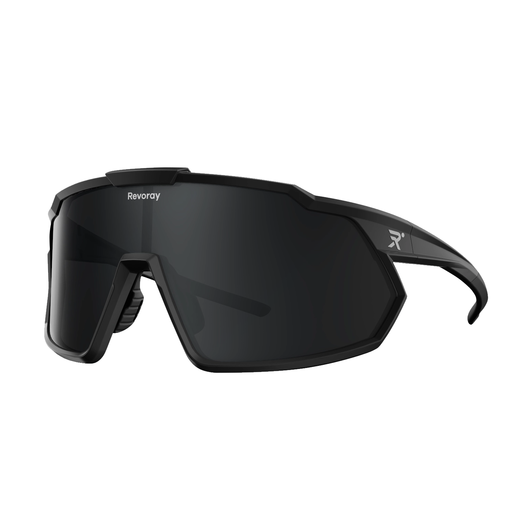
Why it suits this profile: For long rides, a weight of around 33 grams, adjustable silicone nose pads and non-slip details are important specifications. According to the product description, the lenses have water- and oil-repellent coatings.
The stated VLT of approximately 15.2% makes it clear that this lens is primarily intended for bright conditions. This helps you avoid choosing a dark lens without considering the weather.
Approximately 33 grams, TR90 frame, UV400 specification and ANSI Z87.1 performance standard according to the product information.

Why it suits this profile: According to the product description, this model combines photochromic and polarised technology. Weighing approximately 26 to 29 grams, with adjustable nose pads and an included inner frame for optional prescription lenses, it is designed for versatile use.
The product information lists both the lens functions and the limitation when used in a car. This makes it easier to assess whether the glasses are suitable for cycling, running and driving.
Photochromic, polarised, UV400 according to the product description, with adjustable components included.
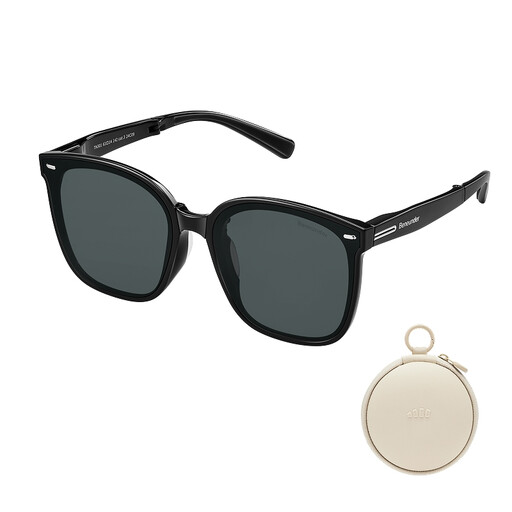
Why it suits this profile: According to the product information, these foldable TR90 sunglasses weigh approximately 26 grams and fold down to around 35 millimetres. This is handy for a handbag, rucksack, glove compartment or luggage.
The glasses are not selected based on colour alone: the product description mentions UV400 and an anti-reflective coating. When driving, still check that you can see the dashboard and other screens clearly.
Approximately 26 grams, foldable TR90 frame, UV400 specification and compact storage.
Sports sunglasses last longer when you avoid wiping the lenses dry if there is sand or dust on them. Rinse off dirt with clean water first, then use a soft microfibre cloth. Store the glasses in the hard case provided, rather than loose in a cycling bag with keys or tools.
Replace the glasses if deep scratches appear, the lens comes loose or the frame is no longer stable. Scratch-resistant coatings reduce everyday wear, but they do not make a lens impervious to damage. Do not use alcohol or harsh cleaning products if the product information advises against them.
We have put together a complete, up-to-date list of products that fully meet these strict selection criteria and the applicable European safety regulations.
Often, yes, particularly if you are bothered by reflections from wet tarmac, water or metal surfaces. However, check how clearly you can read bike computers and smartphones. A polarised lens is not a substitute for UV400 protection; both features should be listed separately in the product information.
This depends on how they are used, maintained and stored. With daily cycling, nose pads and coatings wear out more quickly than with occasional use. Replace the glasses if they develop deep scratches or cracks, or if the lens becomes loose. This helps keep your vision reliable while you are on the move.
Not always. According to the product information for the OutdoorMaster photochromic models, a windscreen can block some UV light, meaning the lens changes tint less inside the car. When driving, it is advisable to check how the glasses perform behind the windscreen and not to choose a lens based solely on automatic tint adjustment.
