
Vandaag of morgen in huis

Kwaliteit gegarandeerd

Welkomstaanbiedingen ontgrendelen: GRATIS bezorging | Tot 80% korting | Gratis 30 dagen JoyPlus-proefperiode
Download de app
Choosing sports socks might seem like a minor detail, but the wrong pair can ruin your workout, cause blisters, or simply be a waste of money. Many sports socks promise the world, but wear out after a few washes or fail to provide the support you need. Before you toss another random multipack into your shopping cart, it's wise to know what to look for.
We'll outline the most common pitfalls and explain how to avoid them.
To avoid a bad purchase, it's important to look at a few objective specifications. These features determine the comfort, durability, and performance of your socks.
The material composition is arguably the most important factor. The right choice depends on your activity.
Good sports socks offer more than just a soft layer between your foot and your shoe.
The height of the sock is not just a matter of style, but also of functionality.
Based on these criteria, we have selected several products that suit different user profiles.
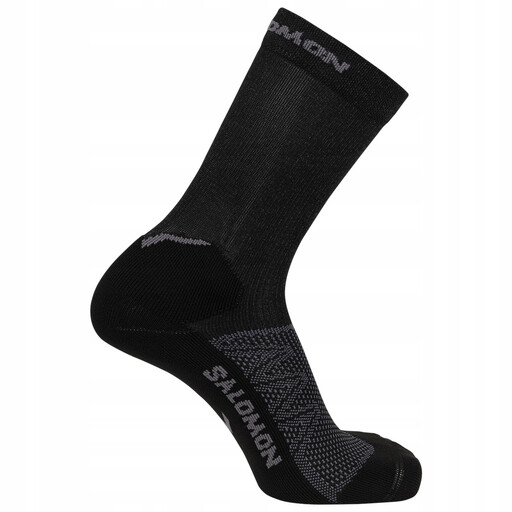
Why This Fits Their Persona: Designed for trail runners and endurance athletes who need protection, support, and superior moisture management on uneven terrain. The high shaft protects the ankles.
This sock is made from a synthetic blend (polyester, nylon, elastane) that actively wicks away sweat, unlike moisture-absorbing cotton. The construction is durable and performance-oriented.
Moisture-wicking fabric and a cushioned sole for support. The high-cut design offers extra protection against obstacles on the trail.

Why This Fits Their Persona: A versatile and reliable choice for those who practice various sports, from fitness to a game of football, but also seek comfort for everyday use.
The blend of cotton, polyester, and elastane offers a great balance between comfort and performance. The cushioned zones at the toe and heel prevent the rapid wear and tear seen in cheaper socks.
Comes in a 3-pack. Provides cushioning in the sole and arch support for a comfortable and secure fit.
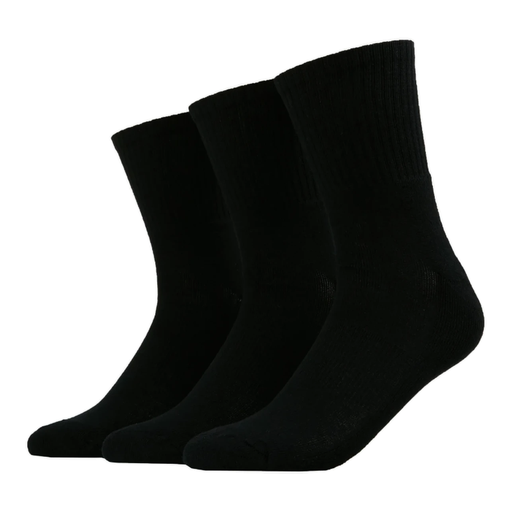
Why This Fits Their Persona: Perfect for those who need a stock of comfortable, everyday socks for light activities, casual use, or simply want a reliable basic sock without the high price tag.
While this is a budget-friendly option, the blend of cotton, polyester, and elastane ensures a better fit and more durability than the cheapest 100% cotton alternatives.
Excellent value for money thanks to the 3-pack. The simple, classic design matches virtually any outfit.
We have compiled a complete, up-to-date list of products that meet these strict selection criteria and local regulations.
There's no fixed rule, as the lifespan heavily depends on the frequency of use, the intensity of the activity, and the quality of the sock. A good guideline is to inspect your socks for signs of wear. Look for thinning areas (especially at the heel and toes), loss of elasticity, or holes. For athletes who train several times a week, it may be necessary to replace socks every 6 to 12 months to maintain optimal support and comfort.
Yes, in many cases, running socks are an excellent choice for hiking. Both activities benefit from good moisture-wicking, a snug fit to prevent blisters, and cushioning. However, dedicated hiking socks are sometimes thicker and offer more cushioning, which can be pleasant during long treks with heavier hiking boots. For a light walk in sneakers, running socks are often perfect.
Both Nike socks and Adidas socks offer a wide range of high-quality options. The differences are often in the details: the fit, the specific cushioning patterns, and the technologies used. For example, Nike often uses its Dri-FIT technology for moisture management, while Adidas may have models with specific arch support. Ultimately, the choice often comes down to personal preference and which fit feels best for your foot.
