
Vandaag of morgen in huis

Kwaliteit gegarandeerd

Welkomstaanbiedingen ontgrendelen: GRATIS bezorging | Tot 80% korting | Gratis 30 dagen JoyPlus-proefperiode
Download de app
High-quality athletic shoes get all the attention, but the role of sports socks is often underestimated. The wrong socks can lead to blisters, discomfort, and reduced performance. With so many marketing claims, it's hard to determine what you really need. Let's review the most common pitfalls so you can make an informed choice from now on.
Pitfall 1: The "one-size-fits-all" sports sock Many socks are marketed as general "sports socks," but a runner has different needs than a tennis player. A generic sock rarely provides the specific support, cushioning, or protection required for a particular activity. This often results in socks that slip and cause irritation.
Pitfall 2: The myth of 100% cotton Cotton feels soft, but it's a poor choice for most sports. The material absorbs moisture and holds onto it, leaving your feet clammy and cold. Furthermore, wet skin is far more susceptible to friction and blisters.
Pitfall 3: Poor construction that wears out quickly A common problem with cheaper socks is a thick, irritating seam at the toe or a lack of elasticity around the arch. This causes the sock to sag or create pressure points. They also tend to wear out quickly at the heel and toe.
To avoid the problems above, there are a few key specifications that make all the difference. Check these points before making a purchase.
The material composition is crucial for comfort and performance. Look for breathable sports socks made from a blend of synthetic materials.
A good sports sock is more than just a piece of fabric. Pay attention to the following construction details:
Not every athlete needs the same thing. Below are some popular choices, matched with specific user profiles.
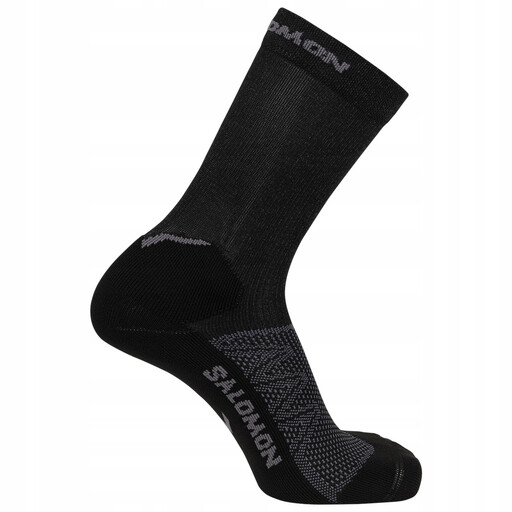
Why This Fits Their Persona: This user needs durable, protective socks for uneven terrain. The crew length of these Salomon Speedcross socks protects the ankles from twigs and rocks, while the cushioning provides comfort during long sessions, making them ideal as hiking socks or for trail running.
This is not a generic sock. Its design is specifically engineered for trail running, with a moisture-wicking material blend that avoids the "cotton trap" and helps prevent blisters.
The combination of durable construction, a cushioned sole for support, and a taller design for extra protection makes this a reliable choice.

Why This Fits Their Persona: Ideal for athletes who make frequent lateral movements, such as in tennis. These K-Swiss socks provide comfort and support thanks to their cushioning and secure fit, which is essential for quick stops and sprints on the court.
The reinforced heel and toe address the durability issues where cheaper socks fail. The material blend offers a great balance between comfort and performance.
The combination of a cushioned sole, breathable fabric, and a stretchy fit makes these tennis socks a comfortable and dependable choice for the court.

Why This Fits Their Persona: For the men and women looking for a versatile sock for the gym, a light workout, or daily use. These Adidas socks offer comfort and great value in a convenient 3-pack.
The built-in arch support prevents the sock from slipping down, a common annoyance. The smart material blend is a great compromise between softness and functionality.
These socks offer a good balance of comfort and support for everyday use, with cushioning in the sole and a secure fit.
The right sock is the foundation of any athletic performance. Explore our full, up-to-date selection of products that meet strict criteria for comfort, durability, and functionality.
There's no fixed rule, but watch for signs of wear. If the fabric becomes thin, the elasticity is gone (causing the sock to sag), or holes appear, it's time for a new pair. With intensive use, this could be every 6 to 12 months.
Running socks are typically lighter and more focused on a snug fit and maximum breathability to prevent blisters during repetitive motion. Hiking socks often have more cushioning, especially under the heel and forefoot, and are sometimes thicker for extra warmth and protection inside sturdy hiking boots.
Yes, tennis socks are often a good all-rounder. They provide cushioning and support that are also useful for fitness or other indoor sports. However, for highly specific activities like long-distance running or football, specialized socks are often a better choice for optimal comfort and performance.
