
Vandaag of morgen in huis

Kwaliteit gegarandeerd

Welkomstaanbiedingen ontgrendelen: GRATIS bezorging | Tot 80% korting | Gratis 30 dagen JoyPlus-proefperiode
Download de app
Sports socks may seem straightforward, but you quickly notice when you have chosen the wrong pair. Socks that slip down inside your trainers, become too warm during a workout or lose their shape after a few washes offer little value. If you only look at colour or discounts, you can easily overlook the specifications that determine comfort.
So keep an eye out for three common pitfalls:
Always check the EU shoe size on the product page. Many models are available in ranges such as 35-38, 39-42 or 43-46. If you are exactly between sizes, compare the size guide with your usual shoe size and consider the type of footwear you will be wearing.
For trainers, trainer socks, ankle socks or no-show socks are usually practical choices. A low-cut sock should fit securely without pulling at the heel. For training or walking, a slightly higher trainer sock may provide more coverage.
An elasticated cuff and, where included, an elasticated band around the foot can help keep the sock in place. That does not automatically mean every sock will feel equally comfortable on every foot: the fit still depends on your foot shape, footwear and activity.
Look beyond simply “cotton socks”. Cotton has a soft feel and is often used in socks for everyday wear. Polyester and nylon are regularly added for strength and quicker drying. Elastane provides stretch.
According to the product description, the Urban Classics no-show models consist of 75% cotton, 23% polyester and 2% elastane. This gives you a clear picture of the composition. The product description also mentions a flexible fit and wearing them with trainers or other low-cut shoes. Always check the care label when your order arrives, as this is the definitive source of information.
For running, a synthetic blend with cushioning may be worth considering. According to the product information, the Salomon Speedcross Ankle Socks are made from polyester, nylon and elastane. The description also mentions moisture management, quick-drying properties and a cushioned sole. These are product specifications; the actual experience may vary from one user to another.
For gym or training socks, a cushioned sole and a close fit are important features. They can affect how your sports shoes feel, but they do not automatically make a shoe suitable for every sport.
If you wash your socks frequently, you should also check the care instructions:
High temperatures and tumble drying can affect the fit and elasticity more quickly. Where possible, wash black sports socks, white sports socks and grey sports socks according to the care and colour instructions.
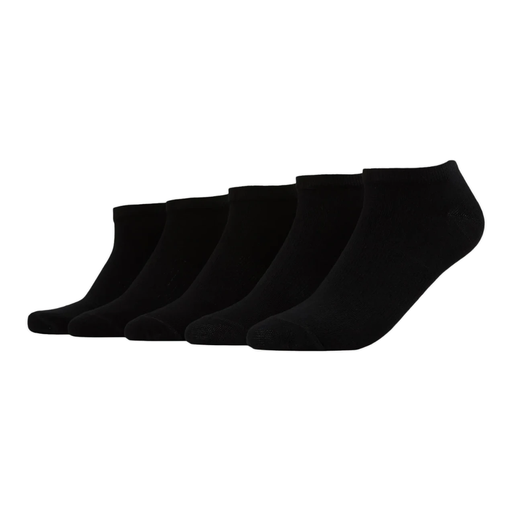
Why it suits this profile: The low-cut design is intended for trainers, slip-ons and other low-cut shoes. The pack contains 5 pairs and the size is clearly stated as 39-42.
The material composition is specified: 75% cotton, 23% polyester and 2% elastane. This allows you to compare the model using concrete information rather than relying solely on the term “breathable”.
No-show design, 5 pairs per pack and elastane for a flexible fit. Care advice: 30 °C on a delicate cycle.
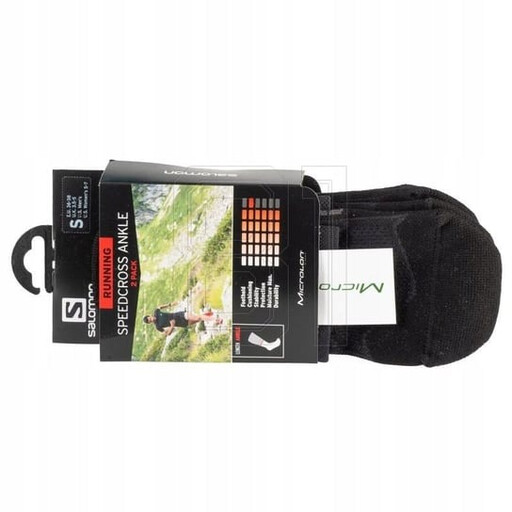
Why it suits this profile: This two-pack is designed for running and, according to the product information, features a cushioned sole, a polyester, nylon and elastane blend, and moisture-managing properties.
The key features are clearly listed. However, note the size range of 39-41 and check the desired sock height, as the product information refers to both ankle and mid-calf lengths.
2 pairs per pack, a cushioned sole and a model that, according to the product description, is designed for running.
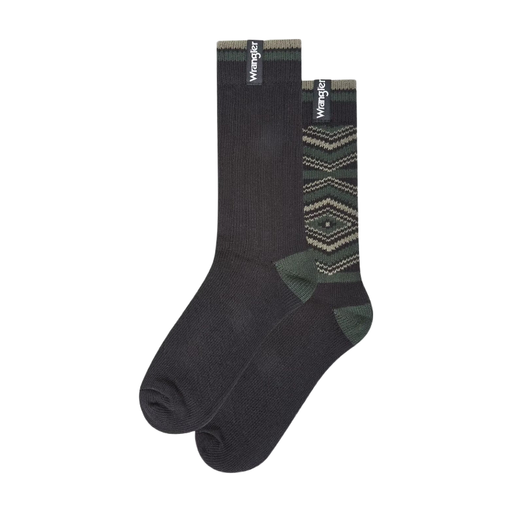
Why it suits this profile: According to the product description, the higher-cut model is intended for work, outdoor activities, uniforms and everyday wear. This makes it a good fit for anyone looking for more leg coverage than trainer socks provide.
The specifications mention half cushioning under the foot, integrated arch support and reinforced heel and toe seams. This makes the model more clearly suited to providing coverage and protecting areas prone to wear.
2 pairs per pack, a higher-cut fit and reinforced seams at the heel and toe. Size range: 38-42.
We have put together a complete, up-to-date list of products that fully meet these strict selection criteria and the applicable European safety regulations.
Cotton can feel soft and comfortable for everyday wear, walking and light training. For intense exercise, it is also worth looking at polyester, nylon, elastane and any cushioning. According to the product description, some running socks are designed to manage moisture and dry quickly. Treat this as a product specification, not a guarantee that every user will have the same experience.
Replace your socks when the fabric becomes thin, the cuff no longer fits securely or signs of wear appear around the heel and toe. Their lifespan depends on how often they are worn, the wash cycle, drying method and type of activity. A multipack can be useful if you exercise regularly and give each pair enough time to rest between washes.
For a subtle look, black sports socks work well with dark shoes, while white sports socks suit light-coloured trainers. No-show socks remain largely hidden beneath low-cut shoes. Grey sports socks are a practical middle ground for everyday wear, training and casual outfits. Above all, check the sock height and size; colour is only a deciding factor after that.
