
Vandaag of morgen in huis

Kwaliteit gegarandeerd

Welkomstaanbiedingen ontgrendelen: GRATIS bezorging | Tot 80% korting | Gratis 30 dagen JoyPlus-proefperiode
Download de app
Sports socks need to do more than simply cover your feet. Whether you wear them every day, to the office, for walking, running or the gym, fit, material and length are what make a pair comfortable to wear. Yet product claims can be difficult to compare. A thin sock might look comfortable in a photo, for example, but quickly slip inside your shoe. And a multipack isn’t automatically good value if the size or style doesn’t suit how you’ll wear it.
These tips will help you compare sports socks, men’s socks and women’s socks more effectively.
Black and white socks are easy to match, but colour tells you little about comfort. Check the fabric composition, cuff height and size information too. A 3-pack or multipack of socks is only practical if every pair suits your shoes and activities.
Breathable socks can be comfortable for everyday wear, but running and intense training also call for a secure heel, plenty of stretch and a suitable thickness. Some brands say that particular fabric blends help manage moisture. This is a product specification, not a guarantee that your feet will stay dry in all conditions.
Ankle or low-cut socks work well with trainers and low-cut sports shoes. Mid-length socks offer more coverage and often stay in place better with trousers, walking boots or sportswear. However, a sock that’s too high may feel warm, while one that’s too low can slip down or rub against the edge of your shoe.
Cotton socks generally feel soft and are suitable for everyday wear. A blend containing polyester, polyamide, acrylic or elastane can provide extra shape retention, stretch and durability. So don’t just look for a term such as “pure cotton”; check the full composition.
For example, the Utree socks’ product page lists 100% cotton, excluding elastic fibres. The Nike Everyday Cushion socks are listed as 75% cotton, 18% polyester, 6% polyamide and 1% elastane. The second blend contains less cotton, but includes fibres that contribute to stretch and structure.
The cuff should be snug enough to stop the sock slipping down, but it shouldn’t dig in. Always check the size chart in centimetres or EU shoe sizes. According to the product information, Nike socks are available in EU sizes 35-38, 39-42, 43-46 and 47-50. Various LI-NING styles list foot lengths of 22-24, 24-26 and 26-28 cm.
Also look for:
For the office or dress shoes, thin, mid-length socks are often more practical. Running socks and training socks may benefit from extra cushioning under the heel and forefoot. The Nike product description lists extra cushioning and a supportive arch band as features. The brand says these are designed for training and running, but your experience may vary depending on your feet, shoes and activity.
Care instructions affect how long your socks last. Wash them according to the label, avoid bleach if advised, and avoid high drying temperatures if they contain elastane or cotton. Turn patterned socks inside out to help keep the surface looking its best.
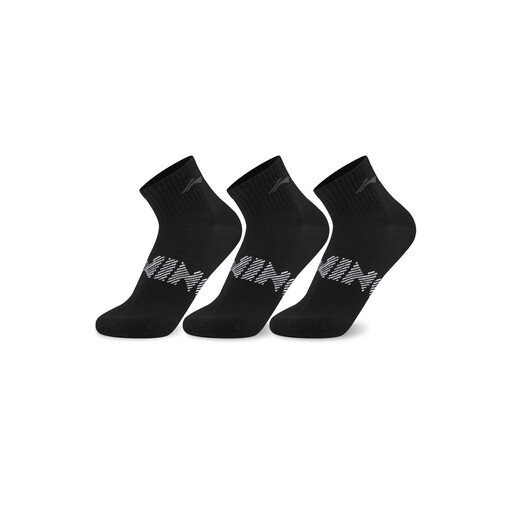
Why it suits this need: A 3-pack of low-cut socks is practical for trainers, everyday wear and keeping your laundry rotation simple.
The product information lists a 3D heel and ribbed cuff, so you don’t have to base your choice on the low price and colour alone.
3 pairs per pack, a low-cut fit and a fabric blend of 57% cotton, 23,8% acrylic, 17,1% nylon and 2,1% elastane.
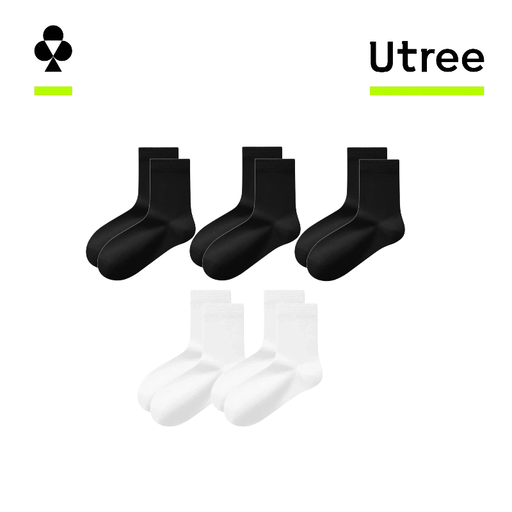
Why it suits this need: Designed for long working days, smart outfits and dress shoes, with a thin, mid-length style.
The product page lists a flat toe seam, 3D heel and elasticated cuff. The antibacterial claim comes from the brand’s product description and should be treated as a brand claim.
100% cotton, excluding elastic fibres, with a choice of colours including black, white and charcoal, according to the product information.
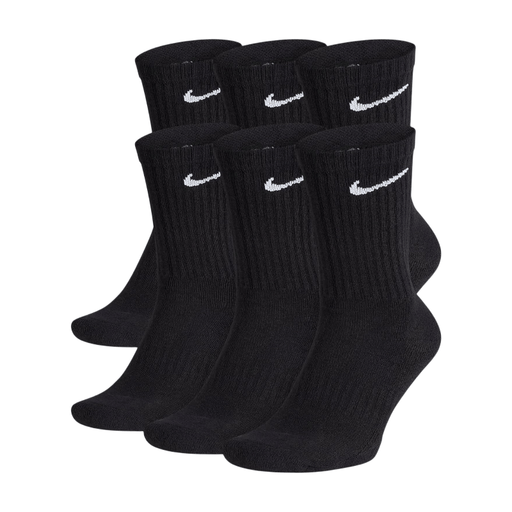
Why it suits this need: According to the product description, the crew length and extra cushioning make these socks suitable for training and running.
The thickness and intended use are described more clearly than with general “sports” claims: the product page lists cushioning under the heel and forefoot, as well as an arch band.
3 pairs, 75% cotton and sizes from EU 35-38 to 47-50. The moisture-wicking performance is a claim from Nike’s product description.
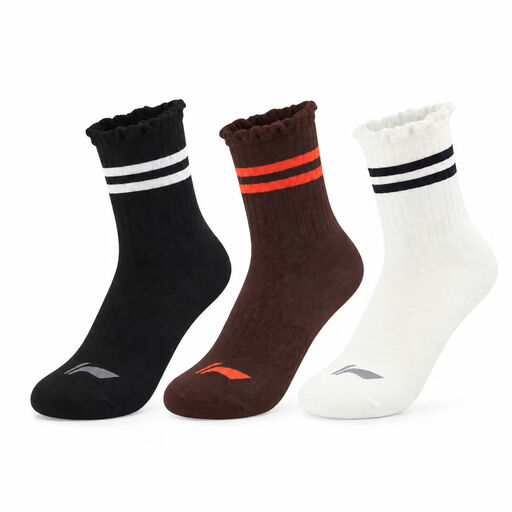
Why it suits this need: A mid-length unisex sock for work, casual outfits and light exercise.
The composition and foot lengths are specified, so you can check the size and material before ordering a multipack.
3 pairs, 59,3% cotton, 36,9% polyester and 3,8% elastane, in a classic mid-length style.
We’ve put together a complete, up-to-date list of products that meet these strict selection criteria and the applicable European safety regulations.
It depends on how often you wear and wash them, as well as how much they’ve worn. Replace a pair when the heel starts to thin, the cuff no longer fits snugly, holes appear or the fabric stays misshapen. Rotating between several pairs reduces wear on each one.
Cotton can feel soft and is suitable for everyday wear. For running, fit, thickness, cushioning and a good match with your shoes are just as important. The fabric composition of a cotton blend may offer more stretch and shape retention. Always check the specific composition and product description.
Ankle or low-cut socks are usually practical with low-cut trainers. If you want more coverage or wear a higher training shoe, choose mid-length socks. Also check the cuff, heel construction and size to help stop the socks twisting or slipping down when you walk or train.
