
Vandaag of morgen in huis

Kwaliteit gegarandeerd

Welkomstaanbiedingen ontgrendelen: GRATIS bezorging | Tot 80% korting | Gratis 30 dagen JoyPlus-proefperiode
Download de app
Buying a pair of shorts seems simple, until you start running, swimming or training in them. That is when you quickly find out whether the waistband stays in place, whether the fabric can handle moisture and whether the pockets are practical. When choosing men’s and women’s sports shorts, three purchasing mistakes are particularly common:
Use the product details as your starting point. A logo or sporty appearance is less important than features that suit the way you plan to use them.
When buying men’s and women’s shorts, first check the waist measurement in centimetres. Some models also specify the inside-leg measurement or overall length. This helps you decide whether you need short running shorts, a 7-inch model or knee-length shorts.
Pay attention to the description of the fit:
An elasticated waistband with a drawstring makes adjustment easier. Also check whether the drawstring is internal or external and whether the waistband is wide enough not to roll over easily during movement.
For running and training, polyester, elastane and mesh shorts are often practical choices. Polyester can feel lightweight and generally dries faster than cotton. Elastane provides stretch, which is useful for squats, lunges and running movements.
For example, the product description for the Under Armour HG Armour Shorts lists a composition of 84% polyester and 16% elastane, with mesh panels made from 92% polyester and 8% elastane. According to the brand’s product description, the HeatGear fabric is lightweight, moisture-wicking and quick-drying. Treat this as the manufacturer’s product specification; your experience may vary depending on the user and the situation.
For relaxed days, cotton shorts, French terry and lounge shorts are often a more logical choice. They feel softer, but are less focused on drying quickly. According to the product information, the PUMA ESS No. 1 Logo shorts use 68% cotton and 32% polyester. This makes this type suitable for casual wear, light training or relaxing at home, but less obviously suitable for long, intensive runs.
Swimming calls for different considerations. Look at the liner, waistband construction, pockets and stated drying time. With a model featuring UPF 50+, you should also be aware that the level of protection may depend on factors such as coverage, fit and use. The UPF statement is a product claim; check the current product information and care label.
Shorts with pockets are useful for carrying a key, card or phone, but not every pocket is suitable for intensive movement. A zipped pocket helps prevent small items from falling out. An open side pocket is mainly practical for walking, casual wear or relaxing.
When looking at women’s swim shorts and women’s board shorts, pay attention to the lining. A liner can provide extra coverage and comfort, while a lining that is too loose or too tight may cause irritation. Also check whether the pockets are designed for use in water.
Care affects the lifespan of your shorts. Always follow the care label. Product information may, for example, advise washing cold or at 30 °C, avoiding fabric softener and tumble-drying at a low temperature. Where possible, wash sportswear with similar colours and avoid high heat if the label does not permit it. With technical fabrics, fabric softener and ironing can affect the properties or fit.
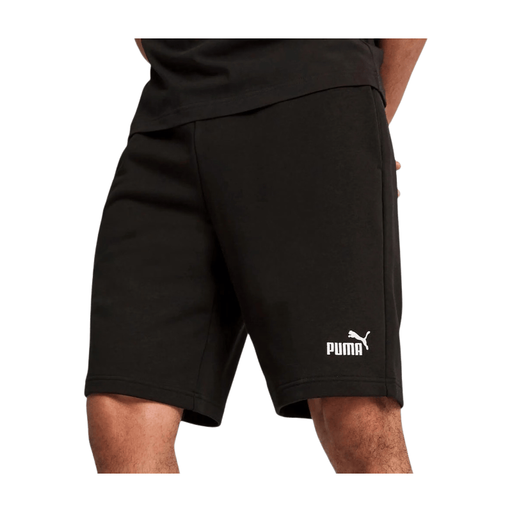
Why it suits this profile: Versatile knee-length shorts for casual wear, light training and relaxed days. The adjustable waistband is helpful when you are looking for a flexible fit.
The product information specifies an elasticated waistband with an internal drawstring and side pockets. This means you do not have to rely solely on the size letter or appearance.
68% cotton and 32% polyester according to the product details; knee-length cut, side pockets and at least 50% recycled material according to the listing.
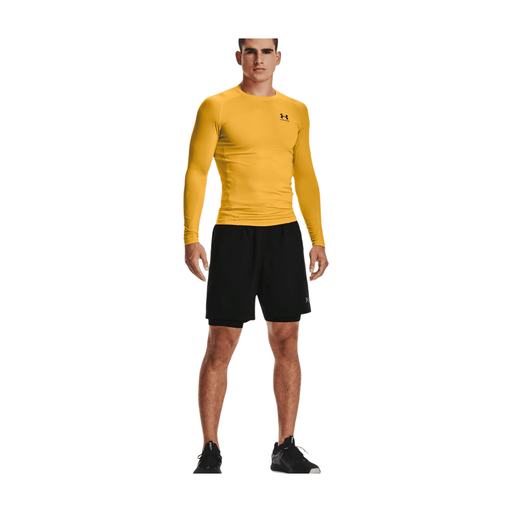
Why it suits this profile: Designed for anyone looking for close-fitting training shorts for intensive movement, as a base layer or for active everyday wear.
The size chart lists a waist measurement of 86–91 cm for L and warns of an ultra-close fit. This makes it easier to assess the fit in advance.
84% polyester and 16% elastane; mesh panels, a side pocket and a 15 cm inside-leg measurement according to the product description.
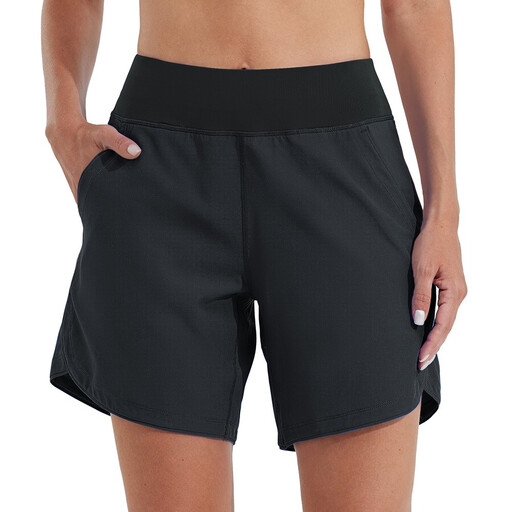
Why it suits this profile: Designed for swimming, days at the beach and water sports where a higher waist, longer leg and practical details are desirable.
The product name mentions a high waist, liner, pockets and UPF 50+. Before buying, however, check the current size and care information.
7-inch length, high waist and liner with pockets according to the product listing; the UPF 50+ rating comes from the product information.
We have put together a complete, up-to-date list of products that fully meet these strict selection criteria and the applicable European safety regulations.
When choosing running shorts, look for a lightweight fabric, a waistband that stays securely in place and, if needed, a zipped pocket. Polyester with elastane is often more practical than heavy cotton when you are moving for longer or at higher intensity. Also check the inside-leg measurement and whether there is an inner brief or liner.
Not every pair of sports shorts is suitable for swimming. For swimming, choose a model whose product information explicitly refers to swimming, board shorts or water sports. Look for a liner, quick-drying properties, pockets and the fastening. Cotton shorts can become heavy and slow to dry after swimming.
Measure your waist where the waistband will sit and compare the measurement with the table for the specific product. Then check the fit: compression fit is close, while loose fit is roomy. If you are between two sizes, you may wish to consider a larger size for a very close-fitting model, in line with the sizing information. Also take your preferred freedom of movement and the use of a liner into account.
