
Vandaag of morgen in huis

Kwaliteit gegarandeerd

Welkomstaanbiedingen ontgrendelen: GRATIS bezorging | Tot 80% korting | Gratis 30 dagen JoyPlus-proefperiode
Download de app
Shorts may seem like a simple purchase, but the difference between a good buy and a disappointing one often comes down to the details. A waistband that’s too loose can slip down during exercise, the wrong fabric can trap heat, and a fit that looks good on the model may not give you much room to move.
When choosing sports shorts, look beyond the colour or brand name. Check the fabric composition, size guide and features that suit the way you plan to wear them. Below, you’ll find practical tips and some popular options for men, women and different sports.
Words such as ‘breathable’ or ‘cooling’ don’t tell you much on their own. Check whether the shorts have mesh panels, what material they’re made from and whether the lining feels comfortable. Polyester generally dries faster than cotton. Cotton often feels softer for everyday wear, but can hold on to moisture for longer.
The density of the fabric is also important in mesh shorts. A very open weave can feel airy, but may offer less coverage. Check whether the style has an inner lining.
A size L won’t fit the same way across every brand. Check the waist, hip and inside leg measurements in centimetres. Also pay attention to the fit description:
For women’s sports shorts, hip measurements are often more important than the waist alone. For men’s sports shorts, the inside leg measurement can affect how comfortable they feel during squats, cycling or basketball.
A phone pocket, drawcord or reflective detail can be useful, but everyone has different needs. For running, a secure pocket and visibility in the dark are helpful. For basketball shorts, a roomy cut is the priority. For fitness shorts, a secure waistband and sweat-wicking fabric may matter more than deep pockets.
For intense training, running and team sports, polyester and elastane are often practical choices. Polyester is lightweight and dries relatively quickly, while elastane allows the fabric to stretch as you move. Check the percentages, though: shorts made from 100% polyester will feel different from a style with a stretchy inner layer.
Cotton and cotton blends are good options for relaxing, warming up and casual wear. Fleece shorts provide extra warmth, but are less suitable for intense training in warm weather. Mesh shorts feel airier, while 2-in-1 shorts combine an outer layer with a close-fitting inner short.
Brand names and technologies don’t guarantee a particular experience. According to PUMA’s product information, dryCELL is designed to wick moisture away from the body. Under Armour describes some styles as having moisture-wicking and quick-drying fabrics. Treat these as the brand’s product specifications, and compare the fibre composition too.
An elasticated waistband should sit comfortably without digging in. An internal or external drawcord lets you adjust the fit. Check the product details to make sure a drawcord is included and where it’s positioned.
Pockets are most useful for keys or a phone. An open side pocket is handy for everyday wear, but your phone may move around when you’re running. According to the product description, the Under Armour Launch 7'' 2-In-1 Shorts have an internal phone pocket on the right-hand side. The same description says the reflective details are designed to improve visibility in low light; they’re no substitute for lights or high-visibility sportswear.
A shorter inside leg gives you more freedom to move, but offers less coverage. A knee-length style often feels more versatile for casual wear and warming up. Basketball shorts and training shorts usually have a roomier cut. Compression shorts fit closely and can be worn as a base layer.
Care instructions affect how long your shorts last. Follow the label, don’t use bleach unless it’s permitted, and avoid high drying temperatures if the manufacturer recommends a low setting.
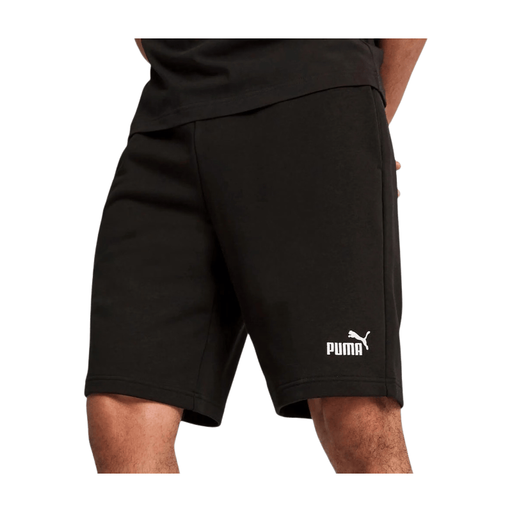
Why it suits this profile: Cotton shorts for training, relaxing and everyday wear. The black colour is easy to pair with sports tops.
The product information specifies an elasticated waistband with an internal drawcord, and clearly lists the fabric composition as 68% cotton and 32% polyester.
Knee-length cut, two side pockets and an adjustable waist. According to PUMA, at least 50% of this style is made from recycled materials.
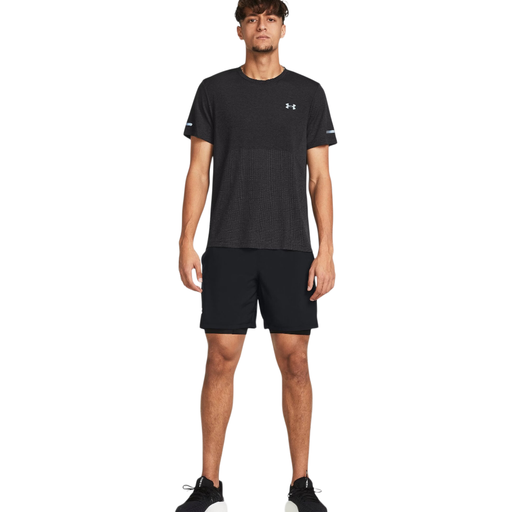
Why it suits this profile: For runners and fitness enthusiasts who want to combine coverage, pockets and a close-fitting inner layer.
The fit is described as fitted. The built-in inner shorts mean you don’t have to rely on a loose outer layer alone.
100% polyester outer layer, inner layer made from 90% polyester and 10% elastane, a phone pocket and reflective details.
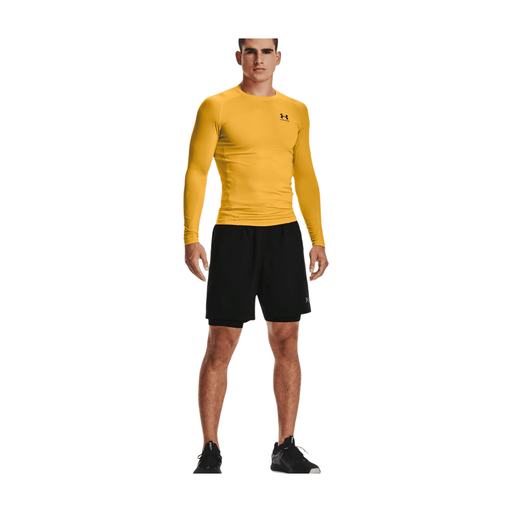
Why it suits this profile: Close-fitting base-layer shorts for training, fitness and sports where loose shorts could get in the way.
The product information explicitly describes a compression fit. This makes the fit clear in advance, and you can consider sizing up if you’re unsure.
84% polyester and 16% elastane, mesh panels for ventilation and a pocket on the right-hand side.
We’ve put together a complete, up-to-date list of products that meet these strict selection criteria and the applicable European safety regulations.
Choose a lightweight style with an adjustable waistband, moisture-wicking fabric and at least one secure pocket. 2-in-1 shorts can offer extra coverage. Reflective details are useful for running at dusk, but check how visible the rest of your outfit is too.
Cotton shorts are comfortable for light training, warming up and everyday wear. For intense fitness sessions, polyester or a polyester-elastane blend may be more practical, as it generally dries faster according to the material specifications. The right choice depends on the length of your workout, the temperature and your personal preference.
Measure your waist where the waistband will sit, then check the size guide for the specific style. Hip measurements also matter for fitted or compression shorts. If you’re between sizes, check the fit description and the product’s sizing advice. Don’t automatically choose the same size as you would in another brand.
