
Vandaag of morgen in huis

Kwaliteit gegarandeerd

Welkomstaanbiedingen ontgrendelen: GRATIS bezorging | Tot 80% korting | Gratis 30 dagen JoyPlus-proefperiode
Download de app
Buying sports shoes seems simple until you have to choose between a flat indoor sole, studs for artificial grass or cushioning for everyday use. A shoe described as versatile in an advert is not automatically suitable for every sport or surface. The wrong sole can wear out more quickly, provide less grip or simply feel uncomfortable.
As a Joybuy Product Recommendation Officer, I therefore start by looking at verifiable information: sport, surface, material, fit and size. Marketing terms are only useful when they match how you intend to use the shoes.
Football boots for natural grass are not the same as artificial-grass boots. An FG sole with longer studs is designed for firm natural grass. On artificial grass, this type of sole may be less suitable and wear out more quickly. For artificial grass, you should generally look for an AG sole or a TF sole with multiple small rubber studs, depending on the type of pitch.
For futsal and indoor sports, futsal shoes or other indoor sports shoes with a flat, non-marking rubber sole are the more logical choice. This sole is designed to provide grip on a smooth sports floor without leaving black marks behind.
A soft midsole feels comfortable when trying shoes on, but it does not tell you everything about lateral support. For volleyball, basketball and other sports involving jumping and quick changes of direction, a firm heel, good lace adjustment and sufficient support around the midfoot are also important.
Brands may promote technologies such as Zoom, ABZORB or rebound cushioning. Describe these benefits carefully: according to the brand’s product description, these systems are intended to provide cushioning, responsiveness or shock absorption. The experience varies from person to person and depends on the fit.
An EU size is a useful starting point, but the last, foot width and shape of the shoe determine how it actually fits. Ideally, measure your foot at the end of the day and compare its length with the seller’s size chart. Also look for:
Always check the designation shown for the product:
Do not routinely use natural-grass football boots indoors. The studs are not designed for the same type of floor and do not offer the same balance of grip and freedom of movement.
A mesh upper may feel more breathable than fully synthetic leather. Synthetic materials are often easy to clean with a cloth and can provide extra reinforcement around the toe area. With football boots, ball feel also plays a part; a thinner or more flexible upper may feel different from a more substantial model.
Do not focus solely on the word “breathable”. Check whether the product description actually mentions mesh, ventilation perforations or a textile lining.
The midsole affects how the shoes feel when walking, jumping and pushing off. Rubber on the underside is relevant to grip and durability, but the exact outsole and tread pattern remain decisive. A lightweight shoe can feel comfortable during quick movements, while additional reinforcement may be useful for intensive use.
Running shoes and lifestyle models such as Nike sports shoes or New Balance trainers have different priorities from competition footwear. A model with ABZORB cushioning may, according to the product information, be suitable for sporting activities and everyday use, but that does not automatically make it a specific competition shoe for every discipline.

Why it suits this profile: This model is designed for futsal and indoor use. The product description mentions a flexible synthetic upper, EVA midsole and non-marking rubber sole.
The IN designation makes the intended use clearer than a general sports shoe. This reduces the chance of choosing a sole that is unsuitable for an indoor sports floor.
Non-marking rubber sole, flexible upper and reinforced toe area according to the product details.

Why it suits this profile: For volleyball players and anyone who jumps frequently and moves laterally, Nike mentions a breathable textile upper, Zoom cushioning and a rubber sole for indoor courts.
The sole is specifically described for indoor use and features a multidirectional tread pattern. That is more relevant than relying solely on the Nike logo.
Textile upper, rubber outsole and midfoot support according to the product description.
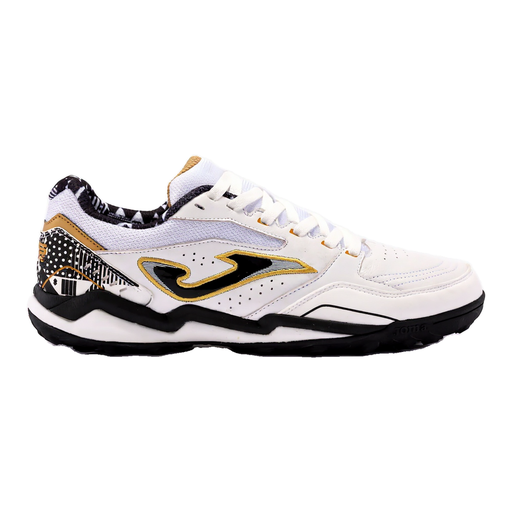
Why it suits this profile: This model is designed for artificial grass. The product information mentions a multi-stud rubber sole, leather upper with ventilation perforations and toe reinforcement.
The TF marking and multiple small studs are suited to artificial grass. This helps you avoid choosing an FG model developed for a different surface.
Rubber multi-stud sole, Foam Reactive and Phylon layers, and a reinforced toe area according to the product specifications.
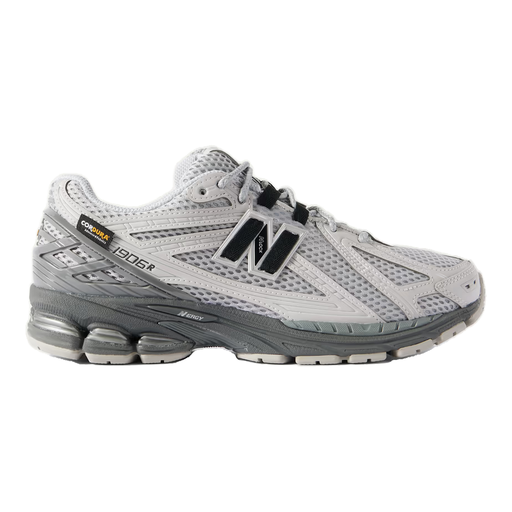
Why it suits this profile: According to the product description, this retro-inspired running shoe is suitable for sporting activities, leisure time and everyday use.
The description clearly identifies the materials and intended uses. This makes the model a logical choice for everyday wear, but not specifically for football or indoor sports.
Mesh and synthetic upper, ABZORB midsole and rubber outsole according to the product specifications.
We have put together a complete, up-to-date list of products that fully meet these strict selection criteria and the applicable European safety regulations.
Lifespan depends on use, surface and maintenance. After exercising, remove mud and dust with a soft brush or damp cloth. Allow shoes to dry naturally and avoid radiator heat, the washing machine and harsh cleaning products. Use FG, AG, TF and IN shoes only for their intended purpose.
Check the sole, seams, heel and toe area regularly. Wear on the studs or a sole that is coming away from the upper is a reason to replace the pair, particularly when grip and stability noticeably decline. If a product has a defect, statutory guarantee rights apply in the EU; the product information states that the models mentioned come with a minimum statutory guarantee of two years.
Choose a model with an IN designation and a flat, non-marking rubber sole. Examples include the Joma Top Flex models. An ordinary running shoe or football boot with studs is less suitable for a smooth indoor sports floor.
This varies depending on the sport, training frequency, body weight, surface and maintenance. Intensive use can put greater strain on the sole and cushioning. So look for visible signs of wear rather than relying solely on the purchase date.
Often, yes, provided the fit is comfortable and the sole is suitable for tarmac or indoor use. Models such as the New Balance U1906WFC and U1906ROA are described in the product information as suitable for sporting activities and lifestyle use. They are not automatically suitable for football, volleyball or basketball.
