
Vandaag of morgen in huis

Kwaliteit gegarandeerd

Welkomstaanbiedingen ontgrendelen: GRATIS bezorging | Tot 80% korting | Gratis 30 dagen JoyPlus-proefperiode
Download de app
Buying a new pair of shoes sounds simple until you have to choose between football boots, running shoes, trail shoes, men’s trainers, women’s trainers or children’s shoes. An attractive colour or well-known brand name says little about whether a shoe is suitable for your needs. The sole, fit and materials are far more important.
Pay particular attention to these three common pitfalls:
Choosing the wrong sole for the surface
Football boots for natural grass are not automatically suitable for artificial grass. An FG sole is designed for firm natural pitches, while AG studs are made for artificial grass. For futsal and indoor football, you need a flat, non-marking rubber sole. Using the wrong sole can reduce grip and cause the shoe to wear out more quickly.
Confusing comfort with cushioning
A soft insole feels pleasant when trying shoes on, but that does not mean the shoe is suitable for long walks, running or lateral movement. Also look at the heel construction, width, flexibility and firmness of the outsole.
Relying on the size alone
An EU size can fit differently depending on the brand or model. Always check the stated fit, shoe width and any size chart. Children’s shoes need extra attention: children’s feet grow, but a shoe that is too roomy can feel less stable when running and playing.
Start with how you will use the shoes, not with the brand. The following guide will help you narrow down your options more quickly:
The designation on the shoe is a practical way to narrow down your choice:
A sole that is not suited to the surface may provide less grip. Do not wear indoor football shoes outdoors on tarmac, and do not use AG or FG football boots as everyday walking shoes.
Leather can mould to the foot as you wear it, while synthetic materials are often easy to clean. Mesh and textile usually offer better airflow. However, no material is automatically suitable for every type of weather or sport.
For example, the Skechers Burns 52635 is listed as featuring a combination of synthetic material and mesh. The Skechers Summits 52811 has a knitted mesh upper and a memory foam insole. This makes models like these worth considering for everyday use, but the product details do not make them football boots or specialist running shoes.
A regular fit is not the same as a wide fit. Therefore, check:
A hook-and-loop fastening can be practical for children. According to the specifications, the Skechers Meteor-Lights in size 32 has a regular fit, width D and hook-and-loop fastening. With growing feet, check regularly that there is still enough room for the toes.
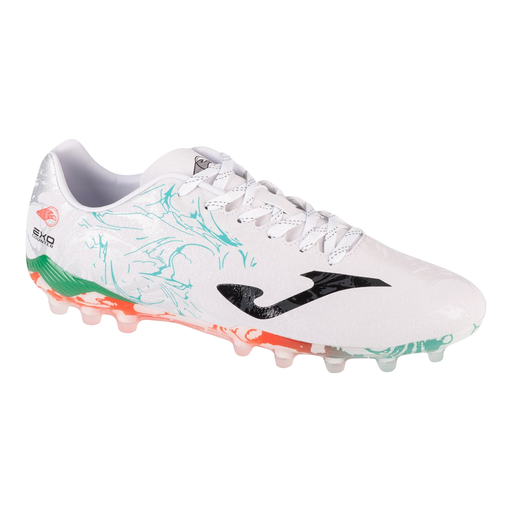
Why it suits this profile: A straightforward model for players who specifically train or play matches on artificial grass and are not looking for an all-round trainer.
The AG designation makes the intended surface clear, so you do not have to guess based on appearance alone.
Synthetic upper, regular fit, lace fastening and specifications for AG artificial grass.

Why it suits this profile: Designed for active users who alternate between paved roads and off-road paths.
The product information lists both the foot length in millimetres and standard and narrow versions. This helps you choose the right fit.
Mesh and woven upper, EVA midsole and rubber outsole with ROCKYTEC specification.

Why it suits this profile: For futsal players who train frequently and want a shoe for quick movements on an indoor floor.
The sole is explicitly described as non-marking rubber for indoor use. This makes the choice clearer than with a general sports shoe.
Regular fit, EVA insole, reinforced toe and rubber sole for indoor surfaces.
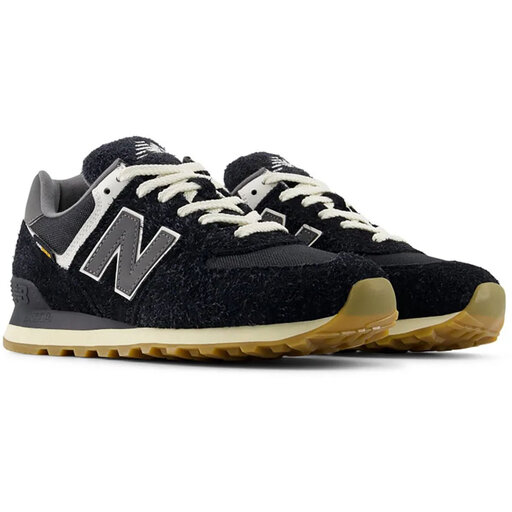
Why it suits this profile: A casual trainer for anyone who wants to combine a retro look with everyday wear.
The product description clearly lists the materials and intended use. However, do not expect to use this model as a technical running shoe.
Suede and mesh, rubber outsole and a classic profile for casual and light sporting use.
We have put together a complete, up-to-date list of products that fully meet these strict selection criteria and the applicable European safety regulations.
A shoe’s lifespan depends on how it is used, the surface and how well it is cared for. Allow shoes to air after exercising and remove mud or grass before it dries. Preferably use a damp cloth and follow the manufacturer’s washing instructions. Machine washing may be permitted for some textile shoes, but not for every model.
Store sports shoes in a dry place and avoid direct heat sources such as radiators. If you use them intensively, consider rotating between two pairs so the materials have time to recover. Check the sole, stitching and heel regularly. If there is clear wear, replacing the shoes is wiser than continuing to use a sole with little tread.
That depends on the model. Casual trainers and lightweight training shoes may be suitable for everyday use. Football boots and indoor football shoes are designed for a specific sporting environment because of their sole and construction.
There is no fixed timeframe that applies to everyone. Look out for compressed cushioning, unevenly worn tread, damaged stitching or a less stable feel. Training frequency, body weight, running style and surface all have an influence.
Measure both feet at the end of the day, preferably while wearing the socks you intend to use. Compare the longer foot with the size chart in millimetres. Also check the fit, width and returns policy. With children’s shoes, trying them on and checking the fit regularly is especially important.
