
Vandaag of morgen in huis

Kwaliteit gegarandeerd

Welkomstaanbiedingen ontgrendelen: GRATIS bezorging | Tot 80% korting | Gratis 30 dagen JoyPlus-proefperiode
Download de app
Buying sports shoes seems simple until you have to choose between trainers, running shoes, trail running shoes, walking shoes, children’s shoes or football boots. A model may look appealing but still be unsuitable for your surface, running style or fit.
So don’t focus solely on the brand name or discount. Pay particular attention to the construction, sizing and intended use of the shoe.
A trainer for everyday use does not automatically provide enough grip or support for running. Conversely, a sturdy trail running shoe may feel unnecessarily rigid when walking around the city.
Pay attention to the differences:
An FG stud pattern, such as the one on the Nike Huarache 9 Varsity Lax, is described in the product information as being intended for natural grass. That does not automatically make this type of shoe suitable for tarmac, artificial grass or a gym.
An EU size is a useful starting point, but brands and models may fit differently. The width of the shoe also matters. A standard D width does not offer the same amount of room as a wide version.
Before buying, check:
Children’s shoes require extra attention. Children grow quickly, but a shoe that is too roomy can actually reduce control when running and playing. According to the product information, the Skechers models in the selection have a standard fit and a hook-and-loop fastening.
Terms such as “maximum cushioning”, “ultra-lightweight” or “suitable for all conditions” mean little without technical details. Instead, look at:
A brand claim about comfort or performance is not a guarantee for every user. In this article, features are based on the available product descriptions. If a manufacturer cites its own research, treat this information as a brand claim rather than an established result.
A comfortable sports shoe should hold the foot securely without feeling tight. Feet can swell slightly when running and walking. A little extra room around the toes can therefore be helpful, while the heel should not slip.
Laces generally offer more scope for adjustment. Hook-and-loop fastening is practical for children and makes shoes quick to put on and take off. Quicklace, as listed for the Salomon XA Pro 3D v9 GTX, is another fastening system that allows you to adjust the tension quickly.
The sole largely determines how the shoe responds to the surface. A flatter rubber tread is better suited to everyday use. Deeper studs can provide more grip on mud, woodland ground or gravel, but may feel less flexible on smooth floors.
Also note the difference between:
A waterproof shoe is not the same as a shoe that keeps your feet dry in every condition. The Salomon XA Pro 3D v9 GTX product information lists a GORE-TEX membrane. Also check whether the tongue, seams and opening around the ankle provide a sufficiently close fit.
Mesh and textile generally allow more air to circulate, while synthetic overlays can offer extra protection. Suede creates a different look but needs more care when exposed to moisture and dirt.
Examples from the selection:
Always follow the care label. Some shoes should not be put in the washing machine. Drying them next to a radiator can damage glue, foam and synthetic materials.
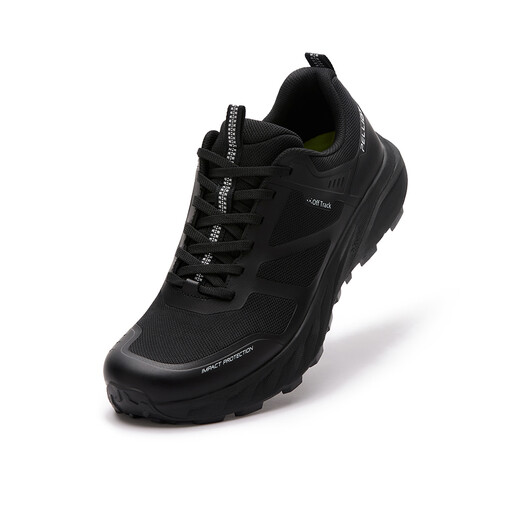
Why it suits this profile: The combination of mesh, an EVA midsole and a tread suitable for different surfaces is a good fit for beginners looking for one pair for running and light outdoor activities.
The product information specifically mentions the upper, EVA midsole and ROCKYTEC rubber outsole. This allows you to base your choice on the features rather than appearance alone.
Lightweight sandwich mesh, EVA cushioning and a choice of standard or narrow fit according to the product description.
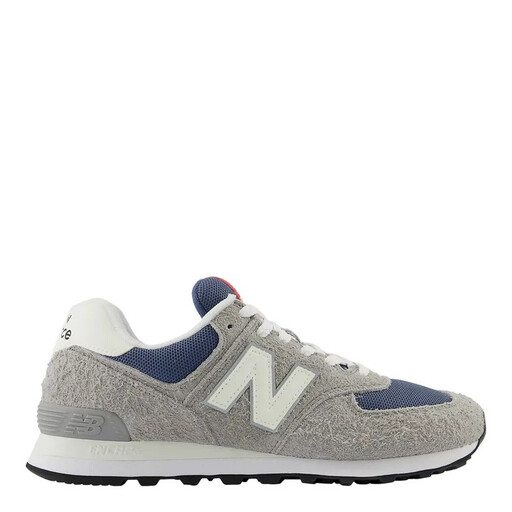
Why it suits this profile: This model is designed for everyday use and combines classic trainer styling with materials that also work well with a sporty outfit.
The product page lists more than just the brand name: it also specifies suede, mesh, an ENCAP midsole and a rubber outsole. However, check that the fit suits your foot.
Suede and breathable mesh, a rubber sole and ENCAP midsole according to the product description.

Why it suits this profile: This model is a good match for walkers and trail runners covering gravel, woodland paths and changing weather conditions.
The product page mentions a GORE-TEX membrane, 3D Advanced Chassis, Quicklace and Contagrip rubber. This makes the water protection, fastening and sole type easier to assess.
Waterproof membrane according to the product description, a stabilising construction and a treaded sole for mixed terrain.
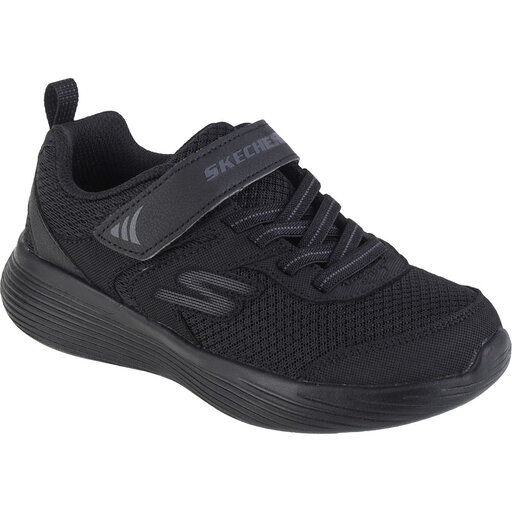
Why it suits this profile: This low-cut children’s shoe has a hook-and-loop fastening and a standard fit, making it practical for school, play and everyday use.
The size information lists size 30, D width and a standard fit. This provides more guidance than relying on the child’s age alone.
Textile upper, rubber sole and hook-and-loop fastening according to the product details.
We’ve put together a complete, up-to-date list of products that fully meet these strict selection criteria and the applicable European safety regulations.
Leave approximately a thumb’s width of space around the toes. The heel should remain reasonably stable. Check the fit with the socks you use for sport or walking. With children’s shoes, it is sensible to measure again regularly because feet can grow quickly.
Their lifespan depends on use, surface, body weight, care and materials. Look for visibly worn tread, cracks in the upper, a midsole that has collapsed unevenly or reduced grip. With intensive running, appearance is not the only deciding factor: a shoe may already feel less comfortable inside before major damage becomes visible.
They can be, but a waterproof membrane may allow less air to pass through than an open mesh upper. Waterproof shoes are practical for walks in rainy weather. On warm days or when used indoors, breathable trainers may feel more comfortable. Choose according to the climate, activity and level of protection you need.
