
Vandaag of morgen in huis

Kwaliteit gegarandeerd

Welkomstaanbiedingen ontgrendelen: GRATIS bezorging | Tot 80% korting | Gratis 30 dagen JoyPlus-proefperiode
Download de app
Sports shoes often look very similar online. Yet the difference between a suitable pair and a poor purchase can be significant. A road running shoe behaves differently from a trail running shoe on muddy paths. And a comfortable everyday trainer does not automatically provide enough stability during fitness training or team sports.
As a Joybuy Product Recommendation Officer, I filter product information based on verifiable features. Pay particular attention to these three common pitfalls:
Start with the activity, not the brand. This helps prevent you from buying a pair that looks good but is not suitable for your sport.
For running shoes designed for asphalt or short training sessions, a lightweight construction, breathable upper and cushioned midsole are important considerations. A flexible outsole can be comfortable for everyday use. Also check whether the shoe is intended for short distances or longer runs. The adidas Runfalcon 5, for example, is described in the product information as suitable for road running and distances from 0 to 10 km.
For trail running shoes and walking shoes, grip, stability and protection are more important than low weight alone. Look at the outsole tread, reinforcement around the toe and heel, and any waterproofing. According to the product description, a GORE-TEX membrane can offer protection from rain, but it does not make a shoe suitable for every surface or for prolonged immersion.
Fitness shoes should provide sufficient contact with the floor. For strength training and exercises involving sideways movement, a stable sole is often more practical than a very soft running shoe. For commuting, school and casual outfits, breathable fabric, a simple lace-up or slip-on design and a rubber sole are often decisive factors.
If you are looking for men’s trainers, women’s trainers, comfortable trainers or lightweight sports shoes, it is worth checking whether the model was designed for sport or primarily for everyday use. adidas sports shoes, Skechers trainers and Puma trainers are not one uniform product category, for example: their features vary from model to model.
Measure your foot at the end of the day, preferably while wearing the socks you use for sport. Compare the length with the size chart on the product page. Also pay attention to:
A model may be described as “true to size”, but this remains product information provided by the seller or brand. Use the size chart as a check and review the returns policy before ordering.
Cushioning usually comes from foam in the midsole, such as EVA, Cloudfoam or IMEVA. More softness is not automatically better. For running, cushioning can feel comfortable during repeated strides; for fitness, a more stable feel may be more important.
According to adidas’ own product information, the Runfalcon 5 has a Cloudfoam midsole. The Puma Speedcat OG is described as using IMEVA as a material for a lightweight and comfortable feel. Treat such descriptions as product specifications, not as a guarantee of a particular running experience. Foot shape, weight and activity all affect comfort.
The outsole largely determines how the shoe connects with the surface. A ribbed rubber tread may be suitable for everyday use, while trail models may have deeper lugs and additional reinforcement.
The sole is particularly important for specific sports:
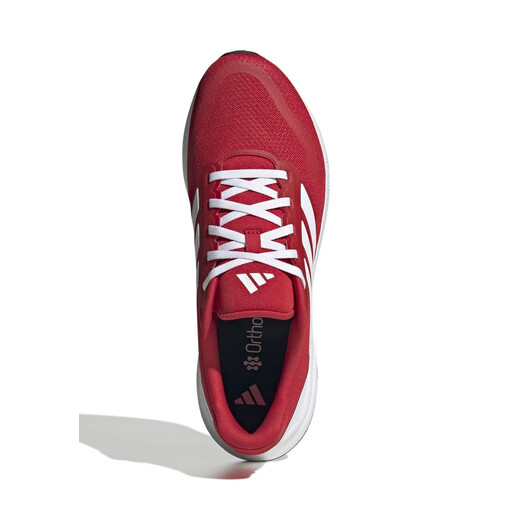
Why it suits this profile: A practical choice for short road runs, walking and active everyday use. The mesh upper is breathable, while the lace fastening allows you to adjust the fit.
The product description lists specific materials: mesh, an Ortholite insole, a Cloudfoam midsole and an Adiwear outsole. However, check the size display on the product page, as different sizing systems are shown.
Breathable mesh upper and a Cloudfoam midsole according to the product information; suitable for road use and short distances.
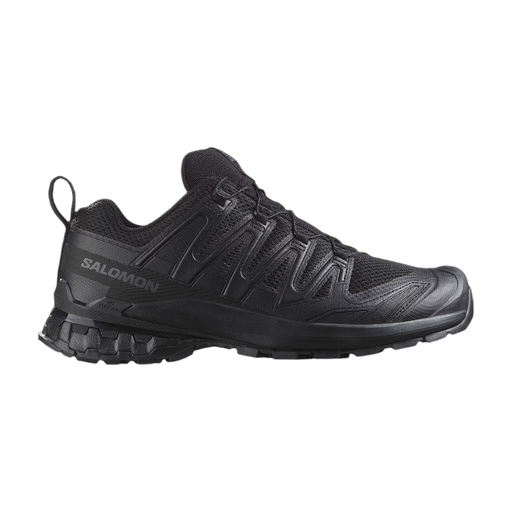
Why it suits this profile: For walkers and trail runners who tackle changing, wet or technical paths and value grip and protection more than a casual look.
The choice is based on features stated in the product information: GORE-TEX, 3D Advanced Chassis, Quicklace and Contagrip rubber. Check that the size and fit suit your foot.
Waterproof membrane according to the product description, plus a treaded sole specified for use on different types of terrain.
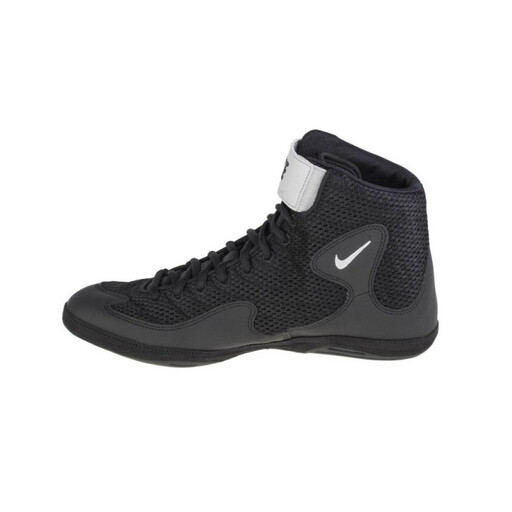
Why it suits this profile: Designed for wrestlers looking for a model for the mat, with a lightweight design, mesh upper, laces and ankle strap.
The product information limits its use to wrestling mats. This helps prevent a sports shoe with a mat-specific sole from being used on outdoor paths or rough surfaces.
Lace fastening and ankle strap for an adjustable fit; rubber outsole according to the product description.
We have put together a complete, up-to-date list of products that fully meet these strict selection criteria and the applicable European safety regulations.
Lifespan depends on usage, body weight, surface and maintenance. Look out for wear on the tread, tears in the upper and a midsole that is visibly compressed. For everyday use, a pair may last longer than when used for intensive running or team sports. Store shoes in a dry place and allow them to air-dry after use.
This may be suitable for light fitness, but not every running shoe is suitable for exercises involving a lot of sideways movement or heavy strength training. Soft, high cushioning can feel less stable. If stability is important, choose fitness shoes with a firm base and sufficient grip.
Always follow the instructions on the product page. Many models must not be machine-washed. adidas Runfalcon models, for example, are described as requiring cleaning with a damp cloth and natural air-drying. Instructions vary between Skechers models, depending on the product. Avoid bleach, strong chemicals and direct heat to prevent unnecessary strain on materials and bonded seams.
