
Vandaag of morgen in huis

Kwaliteit gegarandeerd

Welkomstaanbiedingen ontgrendelen: GRATIS bezorging | Tot 80% korting | Gratis 30 dagen JoyPlus-proefperiode
Download de app
Buying sports shoes seems straightforward, until you realise after a few weeks that the sole does not provide enough grip, the shoe does not breathe properly or your foot shifts while you are exercising. Marketing terms such as “lightweight”, “maximum cushioning” and “waterproof” only mean something when you consider how you intend to use the shoes.
In this guide, you will learn what to look for when choosing sports shoes, from running shoes and trail running shoes to football boots, lacrosse shoes and walking shoes.
A road running shoe is not automatically suitable for mud, loose stones or wet woodland paths. The sole of a road model is usually designed for a smooth roll-through and regular contact with hard surfaces. Trail running shoes generally have deeper lugs for extra grip on soft or uneven ground.
Football boots and lacrosse shoes also have a specific sole type. An FG sole with plastic studs is intended for firm natural grass. If you use these shoes on another surface, the grip and wear may differ from what you expect.
A well-known brand does not guarantee that a model will suit your foot or your sport. Always check the fit, sole construction, size and intended use. A retro trainer such as the New Balance U1906ROA may be suitable for everyday use and light activities, but it is not the same as a specialist running shoe for long distances.
According to the product description, GTX shoes contain a GORE-TEX membrane that provides protection against water. This makes them appealing for wet walks and trails. However, the level of protection still depends on the condition of the material, the closure around the ankle and how you care for the shoes. Water can, for example, enter through the opening or from above.
Look at the type of sole and the shape of the tread:
According to the product information, the Salomon Speedcross models in the range have a Contagrip outsole with a tread designed for soft, loose and technical terrain. The Salomon Pulsar Trail, on the other hand, has 3.5 mm lugs and is described as suitable for smoother trails and speed.
The midsole largely determines how the shoe feels. EVA foam is often used to provide low weight and cushioning. Other models combine technologies such as Cloudfoam, ABZORB, N-ergy or Energy Foam. These are product technologies; the exact experience varies according to your foot, running style and the surface.
Also pay attention to stability features. According to the product specifications, the adidas Runfalcon 5 has a Cloudfoam midsole and an Adiwear outsole. The New Balance U2002RCE combines ABZORB and N-ergy with a Stability Web construction. Details like these can help you compare models, but they do not replace a good fit.
Ideally, measure your foot at the end of the day and compare its length with the size chart for the specific model. Sizing can vary between brands and models. Pay attention to the following:
A shoe that is too loose can give you less control during a trail or race. A model that is too tight may become uncomfortable during longer activities.
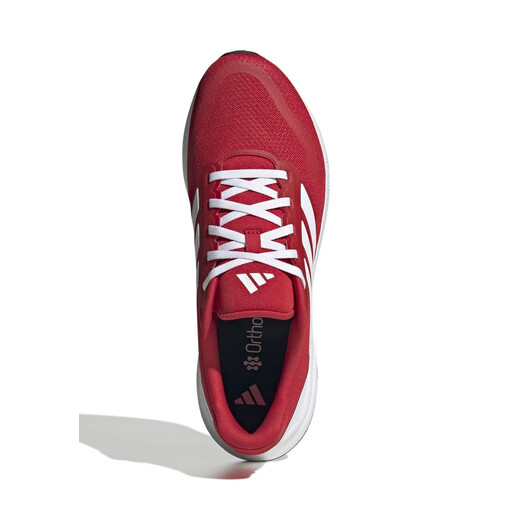
Why it suits this profile: According to the product information, this model is intended for road training and short distances of up to 10 km. That makes it a practical choice if you are taking up running or want a pair of sports shoes for everyday activity.
The stated intended use makes it clear that this is not an all-purpose trail shoe, but a model for hard surfaces and short running routes.
Cloudfoam midsole, breathable mesh and Adiwear outsole according to the product specifications.
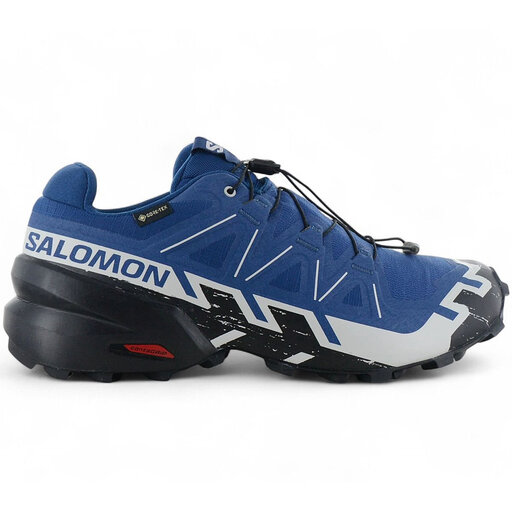
Why it suits this profile: For trail runners and outdoor enthusiasts who often run in wet conditions and value grip and a secure fit.
The product description mentions both a GORE-TEX membrane and a Contagrip tread. This allows you to compare features more precisely instead of focusing only on the term waterproof sports shoes.
GORE-TEX membrane, Contagrip outsole, SensiFit fit and Quicklace system according to the product specifications.

Why it suits this profile: This is a targeted choice for footballers who play on firm natural grass and need an FG sole with studs.
The product information explicitly states FG and firm ground. This means the choice is linked to the type of pitch, not just the colour or model name.
FG sole with plastic studs, synthetic leather upper and lace-up fastening according to the product description.
We have compiled a complete, up-to-date list of products that fully meet these strict selection criteria and the applicable European safety regulations.
Clean sports shoes according to the care instructions provided by the manufacturer. Many models should not be put in the washing machine. For mesh, use a soft brush and leave the shoes to air-dry away from direct heat. GTX shoes and leather models require extra care: harsh cleaning products can damage materials or membranes.
Rotate your shoes if you exercise several times a week, and regularly check the sole, seams and heel counter. Wear on the tread is a practical sign that it is time to compare options again. The listed products are covered by a minimum two-year legal guarantee under EU consumer law; additional rights may apply under national regulations.
This depends on usage, body weight, the surface, care and the materials. A pair used daily on asphalt will wear differently from a pair worn occasionally on a trail. In particular, check the cushioning, tread and firmness of the upper rather than looking only at the age of the shoe.
You can for easy walks on flat ground, provided the fit is comfortable. For mud, rocks or long walks, walking shoes or trail running shoes are often the more sensible choice because of their tread, protection and stability. Always check the terrain the model is intended for according to the product description.
No. According to the product information, a GORE-TEX membrane is designed to keep water out while providing breathable comfort, but the overall level of protection also depends on the seams, closure, wear and care. Avoid prolonged immersion and follow the care instructions on the product label.
