
Vandaag of morgen in huis

Kwaliteit gegarandeerd

Welkomstaanbiedingen ontgrendelen: GRATIS bezorging | Tot 80% korting | Gratis 30 dagen JoyPlus-proefperiode
Download de app
Buying sports shoes may seem straightforward—until you have to choose between running shoes, sneakers, basketball shoes or a model designed for a specific sport. An appealing colour or well-known brand name says little about the fit, grip and durability you actually need.
As a Joybuy Product Recommendation Officer, I filter product information based on verifiable features. This helps you identify which pair is best suited to your needs and which marketing claims should be viewed with a degree of caution.
A soft insole feels comfortable when trying shoes on, but that does not automatically mean the shoe is suitable for running or long walks. Pay attention to the construction of the midsole, insole and outsole. A model designed for everyday use may feel comfortable, but it is not necessarily built to withstand repeated impact or rapid changes of direction.
Running shoes are designed for a different movement pattern than basketball shoes. In basketball, grip, stability and support during lateral movements are essential. Wrestling shoes, on the other hand, are intended for use on a mat. The Nike Inflict 3, for example, states that the model should only be used on wrestling mats and is not suitable for outdoor use or rough surfaces.
Sizes may vary between brands and models. Always check the foot length in centimetres or millimetres, the width and the type of fit. For the adidas Galaxy 7, EU 42 corresponds to a foot length of 270 mm. The adidas Barreda Decode, by contrast, uses size 40 2/3 with a corresponding length of 25.9 cm. This difference shows why a size chart is more important than simply choosing your usual size.
Look for specific materials or construction details in the product information. The adidas Galaxy 7 and adidas Runfalcon 5, for example, mention a Cloudfoam midsole. According to adidas’ product description, it is designed to provide a softer, more comfortable feel while walking or training. Treat this as a product specification and brand claim—not as a guarantee of your personal running experience.
For regular running, running shoes with an appropriate cushioning structure are a more logical choice than flat lifestyle sneakers. For relaxed everyday use, women’s sneakers or men’s shoes with a padded insole may be sufficient.
The outsole largely determines how the shoe interacts with the ground. Check the material and intended surface:
A mesh or textile upper can feel lighter and more breathable. Synthetic leather and suede, by contrast, can provide a more structured appearance and feel, as seen with the adidas Barreda Decode and Skechers Sport Court 92.
Also pay attention to:
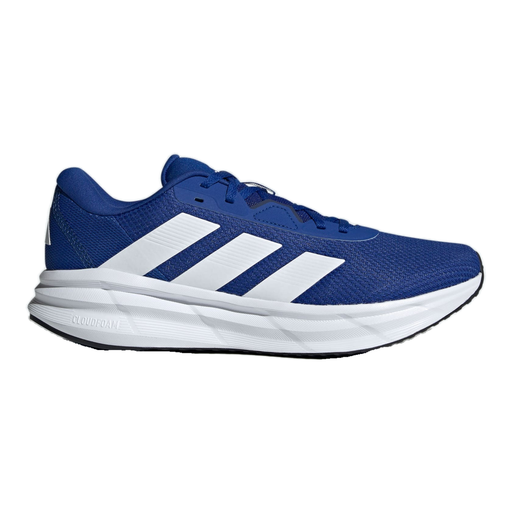
Why it’s a good match: A practical choice for anyone starting with running, walking or daily training and looking for a regular fit.
The product information specifies road running, a Cloudfoam midsole and a TPU outsole. However, check that the 270 mm size matches your foot.
Textile upper and lining, lace-up closure, regular fit and the stated Cloudfoam midsole.
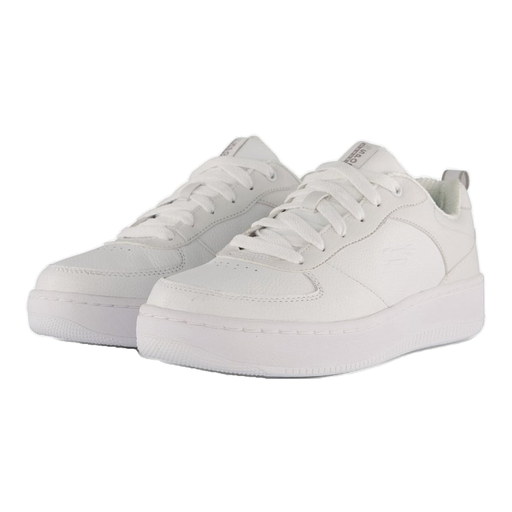
Why it’s a good match: Ideal for everyday use, commuting and casual outfits where a low-top sneaker is preferred.
The specifications list a standard fit, a shock-absorbing midsole and a rubber sole. This makes the model more clearly suited to everyday use than to a specific competitive sport.
Leather and synthetic upper, padded insole, rubber outsole and a stated sole thickness of 2 cm.
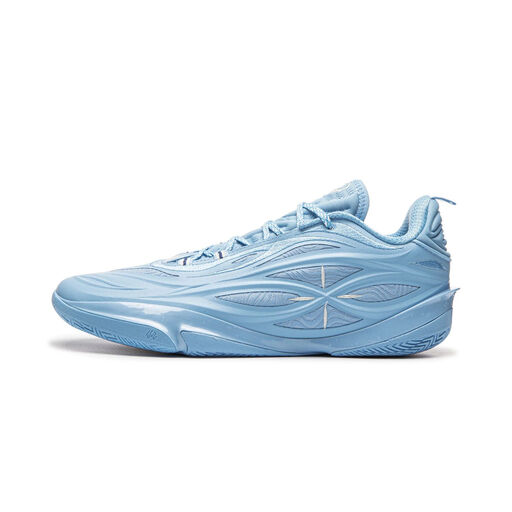
Why it’s a good match: For basketball players looking for a model with technical specifications for indoor and outdoor use.
The description mentions a GCU outsole system, rubber and polyurethane in the sole, and a construction designed for quick stops and changes of direction. Check the current size chart before purchasing.
According to the product description, the shoe features a SUPER BOOM midsole, carbon plate and supercritical foam in the insole.
For other models, such as adidas sneakers, PUMA sneakers, women’s sneakers and men’s shoes, use the product category to filter by sport type, brand, size and colour.
Browse our current selection and compare product specifications, sizes and intended uses before choosing your pair.
That depends on frequency of use, surface, body weight, care and materials. Look for wear on the tread, cracks in the upper and a compressed midsole. With running shoes, it is wise to consider not only their age but also how the cushioning and grip feel.
This is generally not recommended. Running shoes are primarily designed for forward movement. Basketball also requires grip and stability during lateral movements, jumps and sudden stops. If you play basketball regularly, choose basketball shoes with an outsole construction specifically designed for that purpose.
No. Comfort is subjective and does not reveal everything about stability, grip or durability. A sneaker with a soft insole may feel pleasant for everyday use but be less suitable for intensive training. Always consider the combination of fit, cushioning, outsole and stated intended use.
