
Vandaag of morgen in huis

Kwaliteit gegarandeerd

Welkomstaanbiedingen ontgrendelen: GRATIS bezorging | Tot 80% korting | Gratis 30 dagen JoyPlus-proefperiode
Download de app
Buying sports shoes seems simple, but you often only notice an unsuitable sole or fit during training. A shoe that provides enough grip on artificial grass can feel awkward on natural grass. And a trainer with a soft insole is not automatically suitable for intensive sport.
The most important choice is therefore not just colour or brand, but where, how often and what you use the shoes for. Below, you’ll find what to look for in football boots, indoor football shoes, lacrosse shoes and trainers.
The markings on sports shoes are not decorative. FG generally stands for Firm Ground and is intended for firm natural-grass pitches. AG refers to Artificial Ground, in other words artificial grass. TF, or turf, uses a sole with lots of small rubber studs for artificial grass with a short, dense surface. IN stands for indoor.
Using an FG sole on an indoor floor can damage the surface and won’t provide the right grip. Conversely, a flat indoor sole can wear out quickly outdoors. Always check the stated playing surface before placing your order.
Words such as “lightweight”, “responsive” or “professional” mean little without specifications. It’s better to look at:
When a brand makes a particular performance claim, we don’t treat it as an established fact. According to the brand’s own research or product information, for example, a midsole may offer additional energy return, but the experience varies from person to person.
A size 41 in one model may fit differently from a size 41 in another. The width of the forefoot, the height of the instep and the space around the toes are just as important. If you’re unsure, don’t automatically order a larger size: a football boot that is too roomy can actually feel less stable.
Choose the sole according to the surface:
A rubber sole does not automatically provide the same grip on every surface. The stud layout, rubber hardness and contact area all affect how the shoe feels.
Leather can mould to the foot, while synthetic material is often easier to clean and retains its shape better. Textile sections can improve ventilation, but are not always easy to clean. Also check whether the toe area is reinforced. This is relevant for intensive use and for sports where you regularly push off or come into contact with the ball.
A regular fit does not suit everyone in the same way. Look for a secure-fitting heel, enough room around the toes and laces that wrap evenly around the instep. A padded collar, EVA insole or cushioning midsole can improve comfort, but cannot replace the correct size.
For everyday use, men’s trainers, women’s trainers and children’s trainers are generally more flexible than sports shoes with studs. If you walk or stand for long periods, look for a rubber outsole, a removable insole and breathable materials.
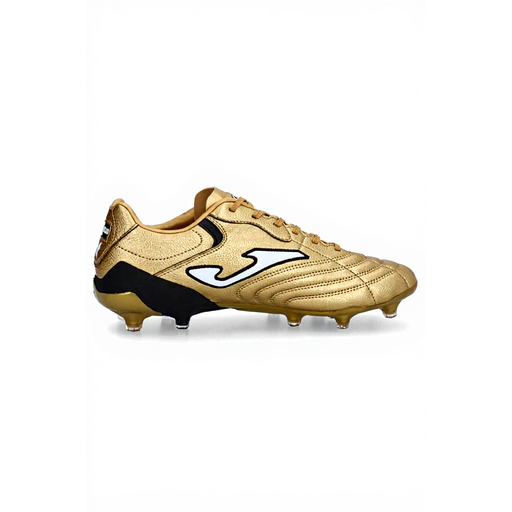
Why it suits this profile: A practical choice for adults who mainly train or play on firm natural-grass pitches and prefer a traditional lace-up fastening.
The FG marking clearly indicates the intended surface. However, check the conflicting material information: the description mentions natural leather, while the specifications state synthetic leather.
FG sole, lace-up fastening, padded collar and anatomically shaped insole according to the product description.
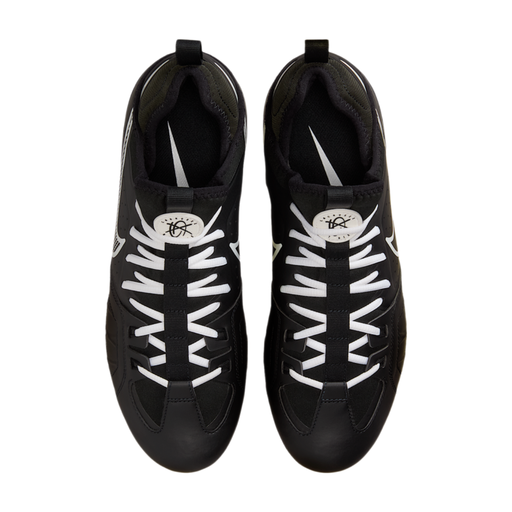
Why it suits this profile: Designed for lacrosse players who move across natural grass and value a synthetic upper with a padded midsole.
The product information explicitly states that it has FG studs for natural grass. This makes the shoe less likely to be the wrong choice due to confusion between grass and indoor soles.
Synthetic upper, foam midsole, rubber outsole and lace-up fastening according to the product specifications.

Why it suits this profile: For indoor and futsal players who train indoors regularly and need a flexible shoe with grip on a sports floor.
According to the product information, the sole is non-marking and intended for indoor use. Don’t use the shoe as an all-purpose outdoor shoe, to help prevent unnecessary wear.
Non-marking rubber sole, EVA insole, reinforced toe area and an upper made from synthetic material and textile.
We’ve put together a complete, up-to-date list of products that fully meet these strict selection criteria and the applicable European safety regulations.
Allow shoes to air-dry after use and don’t leave them damp in a sports bag for extended periods. Remove mud with a soft brush or damp cloth. Only machine-wash sports shoes if the manufacturer expressly permits it. For models with leather, suede, lights or glued components, machine washing may cause damage.
Lifespan depends on the surface, frequency of use, body weight, playing style and maintenance. Replace shoes when the sole becomes visibly smooth, the heel no longer feels stable or the upper starts to show cracks. There is no fixed replacement period that applies to every model.
Usually choose AG football boots or turf football boots, depending on the length and firmness of the artificial-grass surface. Always check the product marking. FG studs are primarily intended for firm natural grass.
You can wear them outdoors occasionally, but that is not their intended use. A non-marking rubber sole is designed for indoor floors. Outdoors, tarmac and rough paving can wear down the rubber more quickly.
The heel should fit securely without feeling tight. There should be limited freedom of movement around the toes, but your foot shouldn’t slide forwards. If possible, try shoes on with the sports socks you wear for training and check both feet.
