
Vandaag of morgen in huis

Kwaliteit gegarandeerd

Welkomstaanbiedingen ontgrendelen: GRATIS bezorging | Tot 80% korting | Gratis 30 dagen JoyPlus-proefperiode
Download de app
A pair of sports shoes might look great online, yet still be wrong for your sport or the surface you play on. A road running shoe needs different features from a football boot for artificial grass. For men’s and women’s sports shoes alike, fit, size and intended use matter more than colour or brand name alone.
As a Joybuy Product Recommendation Officer, I look beyond product information to focus on practical details. Read on to find out which pitfalls to avoid and what specifications to check before you buy.
A lightweight shoe isn’t automatically suitable for football. Running shoes are generally designed for repeated foot movement on roads, treadmills or tracks. Football boots need a sole suited to the surface and movements such as turning and pushing off.
So don’t wear FG football boots on an indoor floor, or choose ordinary sports shoes for a wet or firm natural grass pitch. Different sole types are commonly used for artificial grass, turf and indoor football, such as TF football boots or indoor football shoes.
Words such as “maximum grip”, “professional control” or “ultimate comfort” don’t tell you much without technical details. Instead, look at:
A brand’s own research may suggest that a particular technology improves comfort or grip. That’s a brand claim, not a universal guarantee. Focus on the product details you can verify.
An EU size can feel different from one model to another. One shoe may have a regular fit, while another runs narrower or roomier. As well as checking the size, always check the foot length and use the same measuring method: stand with your heel against a wall, wearing the socks you’ll use for sport.
When ordering online, it’s a good idea to follow the size guide for the specific model. A difference of just a few millimetres can affect toe room and heel slippage.
For football, the playing surface is the first thing to consider:
Always check the product page. Some listings may not fully match the product description to the stated playing surface. Only use an FG model if the manufacturer says it’s suitable for your type of pitch.
For everyday running shoes, cushioning, weight and ventilation are all worth considering. According to the product description, the adidas Galaxy 7 M has Cloudfoam cushioning in the midsole. The adidas Runfalcon 5 also has a Cloudfoam midsole, a mesh upper and an Adiwear outsole.
Cushioning is a matter of personal preference. A softer midsole won’t automatically suit every runner or every distance. Consider the intended use, too: the Runfalcon 5 is described as suitable for road running and short distances of up to 10 kilometres, while the Galaxy 7 is positioned for longer road runs.
Breathable sports shoes often have a mesh or textile upper. This can help air circulate, but it doesn’t make a shoe waterproof. Microfibre or synthetic materials can offer more structure and durability, which can be practical for football boots.
Also look out for:
A shoe should feel secure without creating pressure points. For football, your heel shouldn’t lift out of the shoe when you change direction.
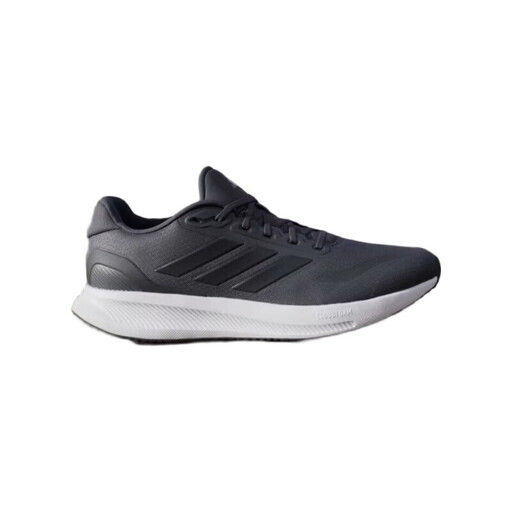
Why it suits this user: This model is designed for everyday training, short runs and use on a treadmill or track. The size guide gives a foot length range of 22.1 to 28.7 cm.
The product information specifies road running and short distances, rather than making a vague claim that it’s suitable for everything.
Mesh upper, Cloudfoam midsole, OrthoLite insole and Adiwear outsole, according to the product description.
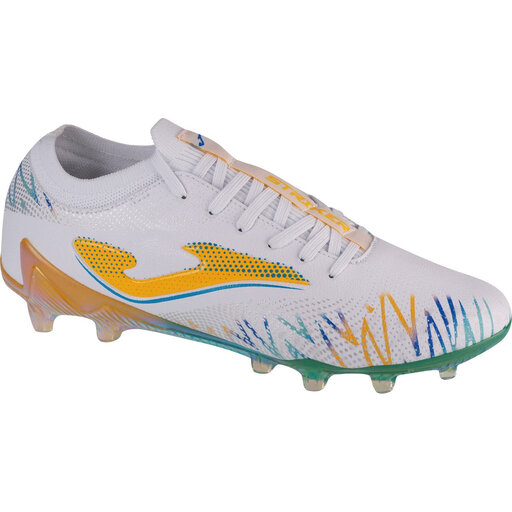
Why it suits this user: An option for adult players who play on firm natural grass or a similar solid surface and want a secure fit.
The FG marking makes it clear that this model shouldn’t be chosen for indoor football or turf.
Microfibre upper, integrated Sock System, EXO Counter at the heel and lacing, according to the product details.
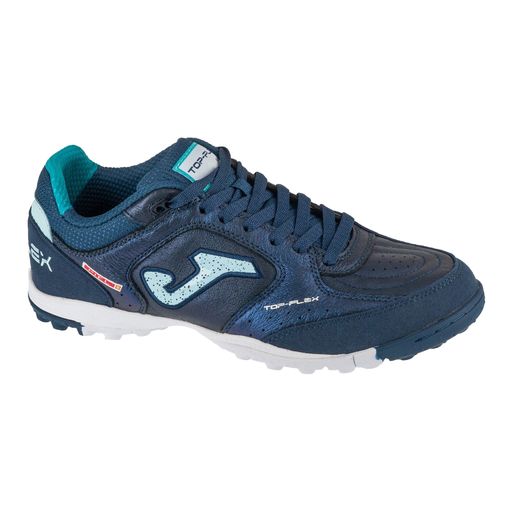
Why it suits this user: This model is designed for artificial grass and turf. It’s a good match for players who regularly train or play matches on a firm artificial grass surface.
The TF classification helps you avoid choosing a sole designed for natural grass or indoor use when playing on turf.
Synthetic and textile upper, padded insole and rubber sole, according to the product description.
Wipe your sports shoes with a damp cloth after use and leave them to dry at room temperature. Don’t put them on a radiator or use a tumble dryer. Heat can deform mesh, textile and synthetic materials. For football boots, remove grass and dirt as soon as you finish playing.
Lifespan depends on how often you use them, your body weight, the surface and how well you care for them. Replace your pair when the sole becomes visibly smooth, the cushioning noticeably wears down or the heel no longer provides support. If you use your shoes intensively, it’s practical to alternate between two pairs so each can dry between uses.
We’ve put together a complete, up-to-date list of products that meet these strict selection criteria and the applicable European safety regulations.
For everyday wear, lightweight sports shoes with a regular fit, textile lining and a flat rubber sole are often a practical choice. According to the product description, models such as the adidas Runfalcon 5 are designed for everyday training and short runs. Don’t assume they’re suitable for football, as the sole may be designed differently.
There’s no set lifespan that applies to every runner. Check the tread, midsole and comfort regularly. Frequent use on asphalt puts different demands on the sole than running on a treadmill. If the cushioning feels uneven or the sole is visibly worn, it’s best to replace your shoes rather than relying only on the date you bought them.
FG football boots are designed for firm surfaces, usually natural grass. TF football boots have lots of smaller studs for turf and certain artificial grass pitches. Indoor football shoes have a flat sole for sports halls. Before you buy, check your club’s requirements and the product information for the model.
