
Vandaag of morgen in huis

Kwaliteit gegarandeerd

Welkomstaanbiedingen ontgrendelen: GRATIS bezorging | Tot 80% korting | Gratis 30 dagen JoyPlus-proefperiode
Download de app
Sports shoes can look much the same, but you’ll notice the difference between a suitable pair and a poor purchase over time. A shoe that looks light and comfortable in a product photo may not offer enough grip during a run. And a casual trainer with a sporty look isn’t necessarily suitable for daily training.
For conditions in the Netherlands, changeable weather, wet cycle paths, tarmac and muddy park paths are all worth bearing in mind. So don’t focus only on the brand or appearance: consider fit, sole, cushioning and material too.
Men’s trainers and casual trainers can have details that look like those on running shoes, such as mesh, a thick sole or contrasting colour panels. But that doesn’t tell you enough about stability and support. If you run regularly, a suitable outsole, enough room around your toes and a cushioned midsole matter more than appearance.
A brand or product description might call a shoe breathable, but always check which material it’s made from. Mesh usually lets more air through than fully synthetic leather. In the rain, a very open upper may be less practical. Check the lining too: an unlined model may feel airier, but could offer less protection from cold and damp.
A flat rubber tread is often comfortable on tarmac and in the gym. For woodland paths, loose ground or wet stones, you’ll need a sole with a more pronounced tread. Conversely, a chunky trail outsole may feel less flexible on the street. So “shoes with good grip” isn’t a one-size-fits-all feature: the right grip depends on your route.
Measure both feet at the end of the day, when they’re often slightly larger. Compare your measurements with the size chart on the product page instead of ordering your usual EU size by default. Check that:
Fit varies between brands and models. An adidas running shoe may fit differently from Skechers trainers or PELLIOT trail running shoes.
Cushioning usually comes from the midsole. Materials such as EVA, Cloudfoam and Dreamstrike foam each have a different composition and feel underfoot. A soft sole feels comfortable for walking and gentle training, while a firmer model can give you a more direct feel for the ground.
Pay attention to the wording. If a brand says it uses a particular foam construction, that’s product information you can check. Claims about performance or protection come from the brand’s product description and don’t guarantee that every wearer will have the same experience.
A mesh upper can help keep the weight down and improve airflow. For everyday use, reinforcements around the toe and sides can be useful, especially if you wear the shoes often. Also check the tread on the rubber outsole:
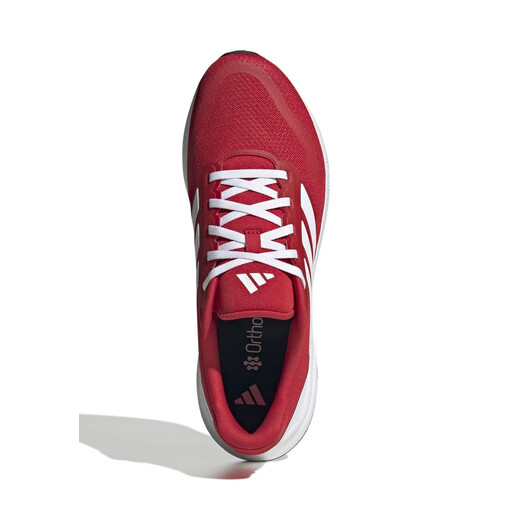
Why it suits this profile: This model is designed for everyday use and short distances on the road. The lace-up fastening lets you adjust the fit, which is useful for beginners who run or walk.
The product description lists a mesh upper, Cloudfoam midsole and Adiwear outsole. This makes it easier to assess the materials, cushioning and tread than it would be from appearance alone.
Mesh upper, Ortholite insole, Cloudfoam midsole and rubber Adiwear outsole, according to the product information.
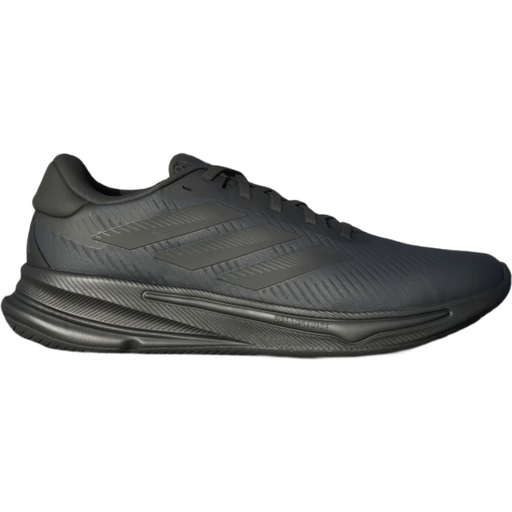
Why it suits this profile: An option for recreational runners looking for a reliable running shoe for short to medium distances and to help them build a running routine.
Its features are clearly specified: a regular fit, lace-up fastening, mesh upper and rubber lugs on the outsole. That makes it easier to match the model to your route and fit preferences.
Full-length Dreamstrike midsole, breathable mesh and rubber lugs, according to the adidas product description.

Why it suits this profile: Designed for people who alternate between tarmac, park paths and trail-style routes, and want one pair for different surfaces.
Rather than simply promising a “sporty” look, the product information specifies the upper material, EVA midsole and ROCKYTEC rubber. Do check which outsole version you’re ordering.
Sandwich mesh and woven material, high-elastic EVA and ROCKYTEC rubber, according to the product description; standard and slim fits are available.
We’ve put together a complete, up-to-date list of products that meet these strict selection criteria and the applicable European safety regulations.
How long your shoes last depends on how you use them, your body weight, the surface and how well you look after them. If you exercise several times a week, alternate between pairs. Leave wet shoes to dry at room temperature and avoid direct heat, which can damage the materials and glue. Always follow the specific care instructions. According to the product information, some models can go in the washing machine, while others should only be cleaned with a damp cloth.
Replace your sports shoes when the sole shows visible uneven wear, the upper starts to come away or the cushioning noticeably feels less effective. There’s no set replacement interval that applies to every model.
Choose a model with a suitable fit, breathable upper, secure lace-up fastening and cushioning that feels comfortable over your usual distance. Standard running shoes are suitable for tarmac; for off-road routes, trail running shoes with a more pronounced tread make more sense.
It depends on how often you use them and how much they’ve worn. Check the outsole, midsole and heel regularly. Sports shoes wear out faster with intensive use than when you only wear them for walking or everyday activities.
You can with many models, but not every running shoe is suitable for long periods of everyday wear. For work, shopping and light activities, comfortable shoes with a durable rubber outsole may be more practical. Also check that the colour and shape go with your style.
