
Vandaag of morgen in huis

Kwaliteit gegarandeerd

Welkomstaanbiedingen ontgrendelen: GRATIS bezorging | Tot 80% korting | Gratis 30 dagen JoyPlus-proefperiode
Download de app
Buying sports shoes seems simple until you have to choose between running shoes, trail running shoes, walking shoes, trainers or football boots. An attractive appearance and a low price say little about the fit, grip or suitability for your activity.
The biggest buying mistakes usually come from three pitfalls:
Below, you’ll find practical advice on what to look for in women’s, men’s and children’s shoes.
How you plan to use the shoes largely determines the type of outsole and upper you need.
Waterproof shoes are practical in the rain, but a membrane can feel less breathable than an open mesh upper. For warm days, lightweight shoes made from breathable fabric may feel more comfortable.
Measure your foot at the end of the day, when your feet usually take up slightly more space. Then compare the measurement with the size guide for the model. Don’t look only at EU 37, 42 or 43; also check the stated foot length in millimetres.
Also consider the width:
When running or walking, some room around the toes is often desirable. However, your heel should not lift out of the shoe as you walk. Fit is personal: a model that appears comfortable on paper may feel different on another foot.
The midsole affects how the shoe feels as you walk or run. EVA foam is widely used in running shoes and, according to the product description, can provide responsiveness and cushioning. Adidas states that the Adizero Boston 13 combines Lightstrike, Lightstrike Pro and ENERGYRODS.
Bear in mind that more cushioning is not automatically better. A soft outsole can feel comfortable for easy miles, while a firmer feel may offer greater stability on uneven ground. Choose according to your running style, weight, distance and terrain rather than relying on a marketing term alone.
Look at the rubber and tread pattern. A flatter tread is generally better suited to tarmac and everyday use. Deeper studs are more useful on unsurfaced paths. In wet conditions, the rubber compound and tread shape are important.
Also check the official product information. The Salomon XA Pro 3D v9 GTX is listed with a Contagrip outsole. PELLIOT specifies ROCKYTEC rubber, while some versions mention Vibram Megagrip in the description. This does not mean that every version has the same outsole, so check the variant you are actually ordering.
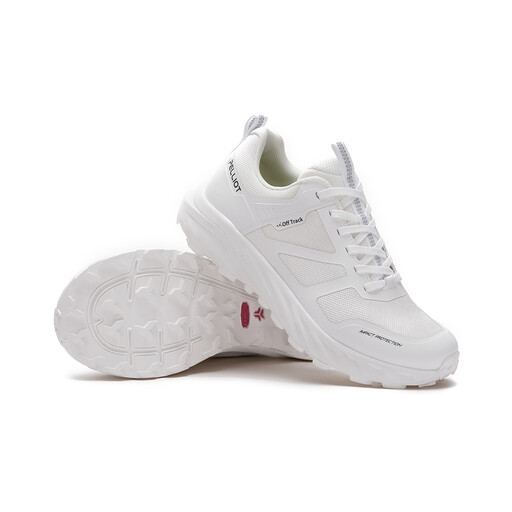
Why it suits this profile: This model is aimed at anyone looking for a lightweight shoe for running and transitions from road to unsurfaced terrain.
The product description specifies a mesh and woven upper, EVA midsole and ROCKYTEC outsole. However, make sure you check the selected fit and size guide.
Lightweight design, a choice of standard or slim fit, and a rubber outsole for different surfaces.

Why it suits this profile: For walkers and trail runners who value stability, a waterproof design and grip on changing paths.
The description mentions a GORE-TEX membrane, 3D Advanced Chassis and Contagrip outsole. This gives a clear description of the moisture protection and terrain-related features.
Waterproof construction, Quicklace fastening and an outsole that, according to the specifications, is suitable for wet and dry surfaces.
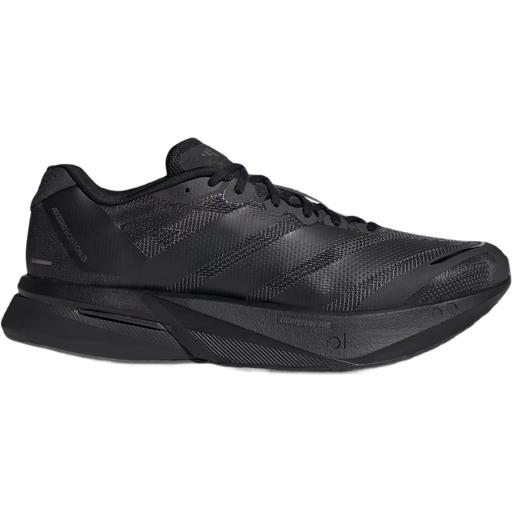
Why it suits this profile: According to the product information, this running shoe is designed for intensive training sessions and race preparation.
The construction is not described simply as “fast”: the description specifies Lightstrike Pro, ENERGYRODS and a Lighttraxion outsole with Continental Rubber.
Breathable fabric, a stated combination of cushioning materials and an outsole designed to provide grip during training.
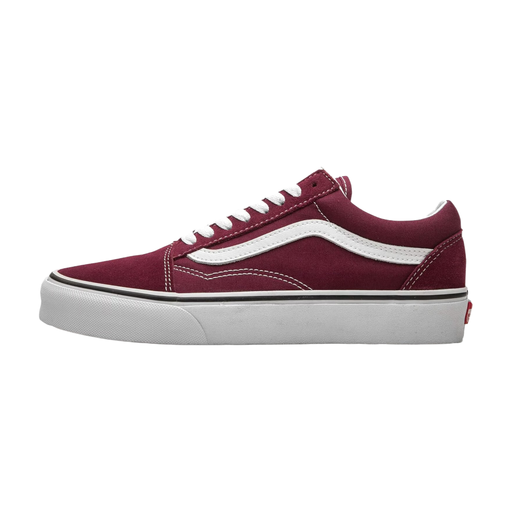
Why it suits this profile: A low-cut model for walking around town, work, school and everyday outfits with casual clothing.
The product information clearly states that the upper is made from fabric and the outsole from rubber. This makes its purpose as a casual shoe clear without suggesting sports performance.
Versatile low-cut design, textile lining and a rubber outsole with a tread pattern for everyday use.
We’ve put together a complete, up-to-date list of products that fully meet these strict selection criteria and the applicable European safety regulations.
This depends on usage, surface, body weight, care and materials. Don’t look only for visible wear. A deformed midsole, smooth tread or loose-fitting heel may indicate that replacement is advisable.
They can be practical in rain and on wet paths, but waterproofing can affect breathability. For warm conditions or intensive training, a breathable mesh model may feel more suitable. Consider the membrane, lining and intended use.
Measure both feet and check the size guide for the specific model. Choose a fastening the child can use independently, such as hook-and-loop, and regularly check that there is still enough room around the toes. For children’s shoes, a flexible outsole, a standard-fitting width and a secure fit are important things to check.
