
Vandaag of morgen in huis

Kwaliteit gegarandeerd

Welkomstaanbiedingen ontgrendelen: GRATIS bezorging | Tot 80% korting | Gratis 30 dagen JoyPlus-proefperiode
Download de app
Buying sports shoes online seems simple, until you notice after a few training sessions that the shoe rubs, offers too little grip or quickly loses its shape. A low price or well-known brand name does not automatically mean the shoe is suitable for your sport. Running, indoor training, wrestling and everyday use all require different features.
The most common buying mistakes come from three pitfalls:
By checking the materials, sole and fit carefully, you can compare sports shoes more effectively.
Start by considering the surface and the movements you make. This helps you avoid paying for features you will not use.
For running on Dutch roads and cycle paths, a cushioned midsole, breathable upper and reliable outsole are practical points to consider. A standard running shoe is primarily designed for hard surfaces. For short to medium distances, a stable fit may be sufficient; longer runs require extra attention to comfort and space around the forefoot.
According to the product description, the adidas Supernova Ease uses a mesh upper, Dreamstrike foam in the midsole and a rubber outsole with lugs. The adidas Galaxy 7 lists a Cloudfoam midsole and a TPU outsole. Always check the available size and stated foot length when choosing adidas running shoes.
Trail running shoes generally need a deeper tread and a more hard-wearing upper. On wet paths, loose sand and mud, the tread is more important than a smooth road outsole. Fit is also important: a shoe that is too roomy can allow your feet to slide forwards on descents, while a shoe that is too tight can put pressure on your toes.
The product information for the PELLIOT models mentions a sandwich-mesh upper, EVA midsole and ROCKYTEC rubber outsole. Some versions are said to feature Vibram Megagrip according to the product description; check each specific version, as this feature does not automatically apply to every variant.
For volleyball, badminton, handball and other indoor sports, grip, lateral support and a non-marking rubber sole are important points to check. A non-marking sole is designed not to leave visible marks on the floor. This means that an ordinary trainer is not always suitable for use in a sports hall.
According to the product description, the Nike Hyperset 2 FQ7070 models feature a multidirectional tread, foam midsole and an upper made from mesh and synthetic material. The models differ in features including colour and available sizes. Always view the individual product page before ordering.
For fitness, walking and everyday use, flexibility, ventilation and a comfortable fastening are often more important than maximum running cushioning. Skechers trainers with mesh can be practical for everyday wear. For children, a sturdy rubber sole, a standard fit and a fastening they can use independently are useful criteria.
Do not use children’s shoes as adult running shoes: their construction, sizing and support are designed for a different foot and a different type of use.
Do not look only at the shoe’s name; check the material and tread:
A sole tread only works well when combined with the right surface. A trail sole may feel unnecessarily stiff on a sports hall floor, while a flat indoor sole may offer too little grip outdoors.
A mesh upper generally allows more air through than fully synthetic leather. This can be comfortable during intensive training or in warm weather. Mesh does not, however, mean waterproof. An additional protective layer may be useful for walks in the rain, but always check the specific product information.
Look for combinations of mesh, textile and synthetic material. Reinforced sections around the heel and toe can help with intensive use, while a soft lining affects wearing comfort. Brand claims about ventilation or shock absorption are not guaranteed results for every wearer; treat them as information from the product description and compare them with the listed materials.
Measure both feet at the end of the day, when they often take up slightly more space. Compare the longer foot with the model’s size chart. Also check:
Men’s and women’s sports shoes may use different size and fit charts. Do not rely solely on your usual EU size.
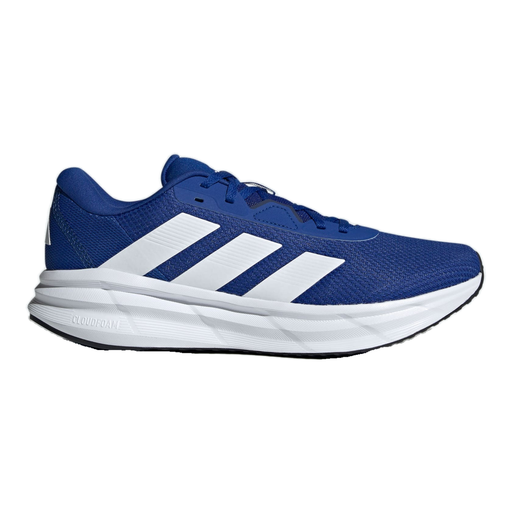
Why it suits this profile: A practical choice for anyone starting to run and looking for one pair for regular training on hard surfaces.
The product information lists a textile upper, Cloudfoam midsole and TPU outsole, allowing you to check the key construction features.
Cloudfoam midsole, breathable textile and size 42 with a stated foot length of 270 mm.
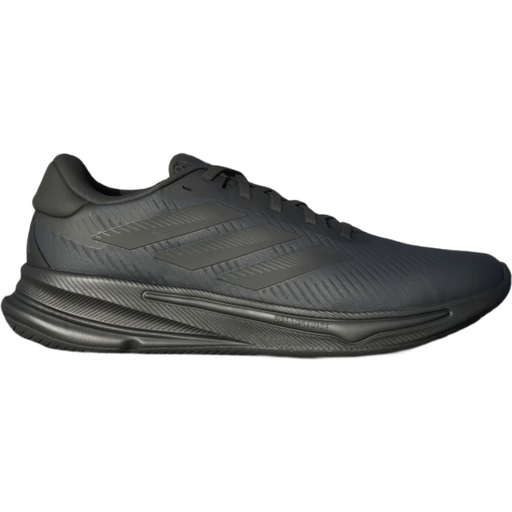
Why it suits this profile: Designed for runners who want to structure their daily training over short to medium distances.
Its intended use is clearly described as an everyday running shoe, helping you avoid choosing an indoor or trail model for tarmac.
Breathable mesh, Dreamstrike foam and a rubber sole with lugs.
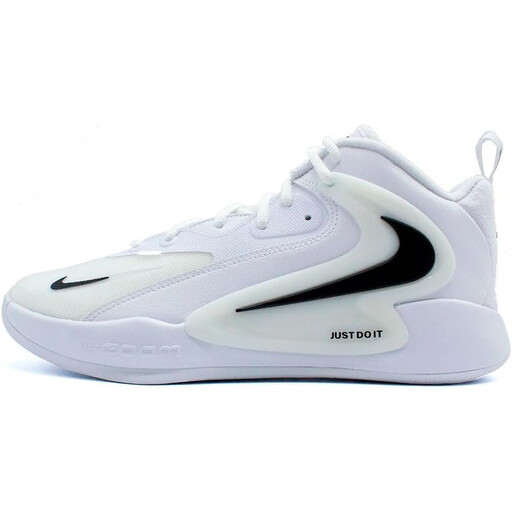
Why it suits this profile: Intended for athletes who make quick movements and changes of direction in a sports hall.
The product description mentions a non-marking rubber sole and multidirectional tread rather than a general-purpose road sole.
Mesh and synthetic upper, foam midsole and reinforced areas around the toe and heel.
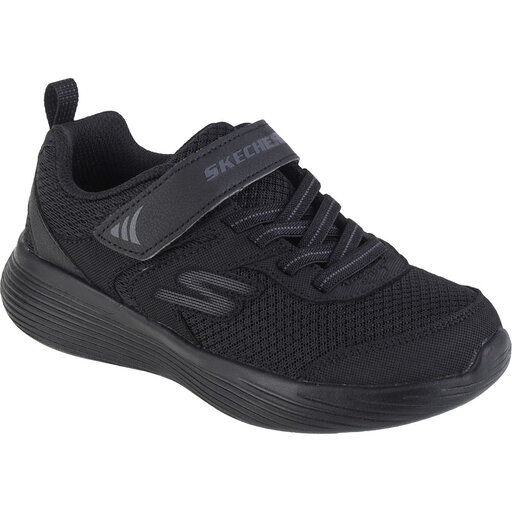
Why it suits this profile: A low-top trainer for boys who need shoes for school, play and everyday use.
The size, standard fit, D width and hook-and-loop fastening are clearly specified, so you do not have to judge the shoe by its appearance alone.
Breathable mesh, rubber sole and hook-and-loop fastening in size 30.
We have put together a complete, up-to-date list of products that fully meet these strict selection criteria and the applicable European safety regulations.
Their lifespan depends on use, body weight, surface and maintenance. Look out for smoothed-out tread edges, tears in the upper, a compressed midsole or pain caused by a changed fit. If you train several times a week, you should check for wear sooner than someone who mainly wears their shoes for everyday activities.
They can be suitable for light training, walking or simple fitness exercises, but not every running shoe provides enough lateral support for intensive changes of direction. For indoor training, indoor sports shoes with a suitable rubber sole are usually the more sensible choice. Always check the recommended environment and sole tread.
Remove dirt with a soft brush or damp cloth and allow the shoes to air-dry. Avoid prolonged soaking, direct heat and tumble drying unless the product information explicitly states otherwise. If you use them frequently, alternate between two pairs where possible, allowing the material to dry and recover between wears.
