
Vandaag of morgen in huis

Kwaliteit gegarandeerd

Welkomstaanbiedingen ontgrendelen: GRATIS bezorging | Tot 80% korting | Gratis 30 dagen JoyPlus-proefperiode
Download de app
Sports shoes often seem versatile, but one pair is not automatically suitable for running, walking, training and everyday use. A smooth sole may struggle on wet paths, while a heavy walking shoe can feel unnecessarily cumbersome during a workout. If you focus only on colour, brand or discount, you are more likely to encounter comfort and wear problems.
With this practical guide, start by considering how you will use the shoes, then compare measurable features such as tread pattern, cushioning, materials and fit.
A shoe designed for road-to-trail use can be useful on tarmac, gravel and light woodland paths. That does not automatically mean it is suitable for technical mountain trails, indoor training or artificial grass. The sole and tread determine what the shoe is designed for.
For example, football on artificial grass requires artificial-grass football boots with an AG sole. For basketball, grip, lateral stability and a suitable indoor sole are more important than an open mesh upper.
Terms such as “shock-absorbing”, “joint protection” and “maximum support” often come from a brand’s product communication. According to the PELLIOT product description, the EVA midsole is designed to provide rebound and shock absorption. This is a product specification, not a guarantee of protection against injury or pain.
So pay attention to the material, construction and intended surface. Cushioned shoes may feel comfortable, but a softer sole is not the right choice for every runner or activity.
An EU size can fit differently depending on the brand and model. Always check the size chart and, ideally, measure your foot at the end of the day while wearing the socks you use for sport. For running and walking, a little room around the toes is practical. A heel that is too loose can cause friction.
Also consider the width. A standard fit is not the same as a wide last. According to the product description, PELLIOT models are available in standard and slim fits.
Choose the sole based on how you plan to use the shoes:
A deep tread can be an advantage in mud, but may feel less smooth on slippery tarmac. Also check whether a stated rubber technology applies to the version you are considering. For example, the PELLIOT description mentions ROCKYTEC rubber, while Vibram Megagrip is listed only for selected versions.
Lightweight shoes reduce the feeling of heaviness when running and walking. However, they may offer less structure in return. On uneven terrain, a more stable construction may be more important than minimum weight.
According to the product description, the Salomon XA Pro 3D v9 GTX uses a 3D Advanced Chassis for stability and a Contagrip sole. The Salomon DRX DEFY GRVL features an Active Chassis and Energy Foam midsole for use on gravel and mixed terrain. These are specific features to compare; they do not mean that every model will feel the same on every foot.
A mesh upper can help with ventilation. This makes a shoe appealing for warm days, fitness and longer walks in dry weather. Breathable shoes are not the same as waterproof shoes.
For walks in rainy weather, GORE-TEX shoes are one possible option. The Salomon XA Pro 3D v9 GTX and Supercross 4 GTX W mention a GORE-TEX membrane in their product descriptions. A waterproof membrane can help keep moisture out, but it may also feel warmer than a shoe with a fully open mesh upper. So do not automatically choose waterproof shoes if you mainly exercise indoors or run in dry weather.
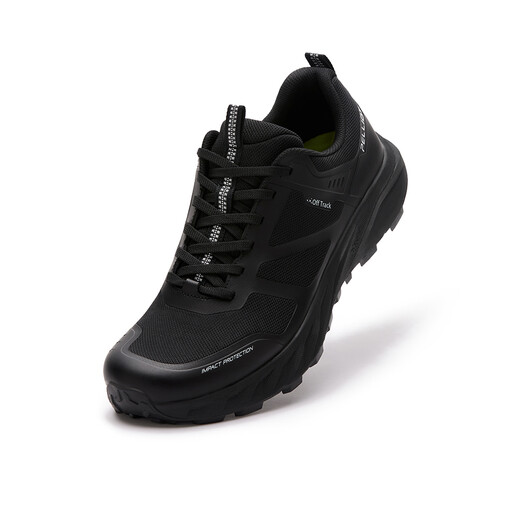
Why it suits this profile: A practical option for anyone starting to run or walk, or who switches between tarmac and light paths.
The product description mentions the use of mesh and woven materials, allowing you to weigh this model against waterproof alternatives instead of relying solely on marketing terms.
Sandwich-mesh upper, EVA midsole and ROCKYTEC rubber outsole according to the product information.

Why it suits this profile: Designed for walkers and trail runners who regularly choose wet, rough or technical paths.
The stated GORE-TEX construction and reinforced toe and heel make it clear that this model is built differently from a lightweight mesh trainer.
GORE-TEX membrane, 3D Advanced Chassis, Contagrip sole and Quicklace system according to the product description.
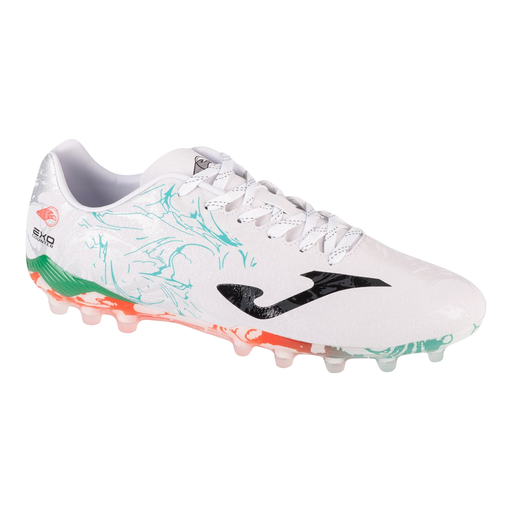
Why it suits this profile: For footballers who specifically train or play on artificial grass.
The product information explicitly mentions an AG sole and artificial grass as the intended surface. This helps prevent you from using a general trainer for football.
Synthetic upper, lace-up fastening and rubber AG sole for synthetic pitches according to the product specifications.
We have put together a complete, up-to-date list of products that fully meet these strict selection criteria and the applicable European safety regulations.
Try on new sports shoes at home with sports socks and check that your heel does not lift as you walk. With running shoes, a little extra room at the toes can be desirable; with indoor and football shoes, a more precise fit is often more important. Always follow the model’s specific size chart.
Care affects how long your shoes last. Remove mud after a walk, let shoes dry at room temperature and avoid direct heat. Not every model is suitable for machine washing. The PELLIOT product information recommends hand washing with mild soap and cold water; several Skechers models recommend cleaning with a damp cloth. So always check the care instructions for each product.
Replace your shoes when the sole becomes visibly smooth, the upper starts to tear or the fit changes. How quickly this happens depends on the surface, frequency of use, body weight and care. There is therefore no fixed lifespan that applies to every pair.
For short walks, comfortable sports shoes with a flexible sole are sufficient. For longer routes or off-road terrain, walking shoes or trail shoes with a defined tread and stable construction are the more logical choice. In rainy weather, you may want to consider GORE-TEX shoes, while mesh can provide more pleasant ventilation in warm, dry conditions.
This varies by model and use. Check the outsole, cushioning and seams regularly. Intensive running, daily use and rough paths put more strain on shoes than occasional use. Also, only use a pair on the surfaces it was designed for.
No. Comfort depends on fit, width, sole firmness, cushioning and activity. A waterproof trail shoe can be practical for a walk in the rain, but may feel too warm during an indoor fitness session. So compare the product specifications first, then choose based on price, brand and appearance.
