
Vandaag of morgen in huis

Kwaliteit gegarandeerd

Welkomstaanbiedingen ontgrendelen: GRATIS bezorging | Tot 80% korting | Gratis 30 dagen JoyPlus-proefperiode
Download de app
Buying sports shoes seems straightforward—until you have to choose between running shoes, sneakers, trail running shoes, women’s shoes and men’s shoes. A low price or well-known brand name does not automatically mean a model is right for your feet or intended use. The right choice mainly depends on the surface, fit, cushioning, grip and materials.
As a Joybuy Product Recommendation Officer, I filter the most important product information and highlight what to look out for. This helps you avoid buying a comfortable sports shoe that turns out to be unsuitable for your running route or daily activities after just a few weeks.
Sneakers such as the Nike Dunk Low, Puma Speedcat and adidas Run 70s 2.0 are primarily designed for everyday wear and a casual look. They often feature a flat sole and a fashion-oriented construction. That does not automatically make them suitable for the repeated impact of running.
For a run on asphalt, road running shoes are the more logical choice. They are generally built around a cushioned midsole, a breathable upper and an outsole designed for consistent, even surfaces.
Lightweight shoes feel comfortable, but a low weight does not tell you how much support or durability a shoe provides. A shoe with a thin upper may offer excellent ventilation, but it can provide less protection against rain, stones or rough paths.
Always assess the combination of weight, midsole, heel construction and outsole. For everyday walking, a slightly sturdier shoe may be more practical than an ultra-lightweight model.
EU sizes can vary between brands and models. Product information may also include several different size conversions. Before ordering, check the foot length in centimetres, the size chart and the available return conditions.
Measure your feet at the end of the day while wearing the socks you normally use. With running shoes, leave some room around the toes. Your feet can swell slightly during longer periods of exercise.
The midsole largely determines how a shoe feels underfoot. Brands use materials such as EVA, Cloudfoam, IMEVA, React and Lightstrike to create different combinations of softness, responsiveness and stability.
According to adidas product information, the Galaxy 7 features a Cloudfoam midsole for cushioning. The Nike React Miler 3 uses React foam for cushioning and energy return. These are product specifications from brand or seller information; they do not guarantee that every runner will have the same experience.
Pay particular attention to:
A mesh upper generally allows more airflow than dense leather or synthetic materials. This can be beneficial during training or in warm weather. Leather sneakers, including certain Nike Dunk and Puma models, are less focused on ventilation but work well for everyday wear and streetwear.
Also check the lining, tongue and heel collar. A padded collar can improve comfort, but the fit around your heel remains decisive. For wider feet, length is not the only consideration: also look for information about the width and shape of the toe box.
The outsole should match your route:
According to the product information, the Salomon Ultra Glide 2 features a Contagrip outsole and Quicklace system. The PELLIOT Running Shoes list ROCKYTEC rubber and an EVA midsole. For versions with additional technology, such as Vibram Megagrip, check that it is actually included in the variant you select.
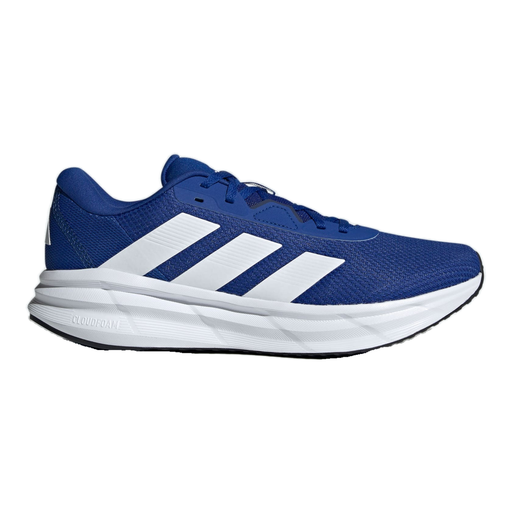
Why this profile is a good fit: A practical option for beginner runners, walks and everyday use on paved routes. The size 42 version lists a foot length of 270 mm.
The product information specifies Cloudfoam cushioning and a TPU outsole, so your choice does not have to be based solely on appearance or weight.
Textile upper, lace-up fastening and Cloudfoam midsole according to the product description.
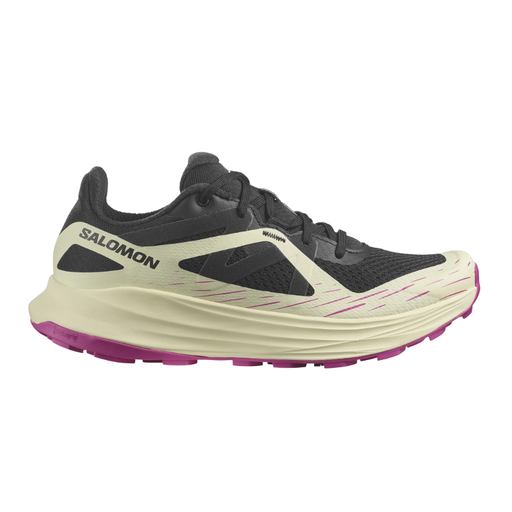
Why this profile is a good fit: For anyone switching between asphalt, park paths and light trails. According to the product information, this shoe is designed for mixed terrain.
The choice is not based solely on a lightweight design: the description lists EVA cushioning and an outsole for mixed surfaces.
Synthetic upper, higher sole construction and rubber tread for road and trail use according to the product details.
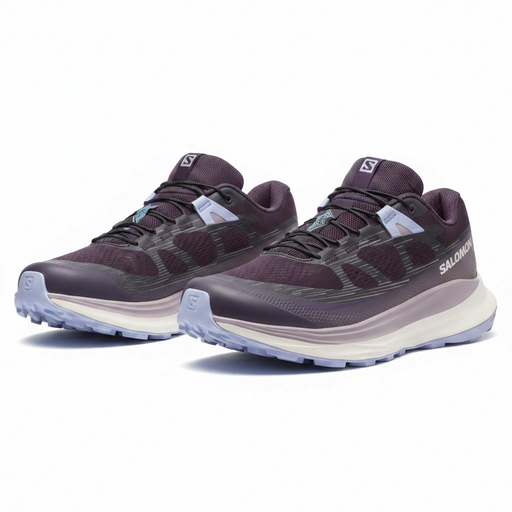
Why this profile is a good fit: A women’s model for longer trail runs where breathable materials, an adjustable fit and grip on changing terrain are important.
The specifications list Contagrip rubber, Energy Surge cushioning and Quicklace. However, check that these features apply to the size and version you select.
Lightweight mesh, Energy Surge midsole and Quicklace system according to the product description.
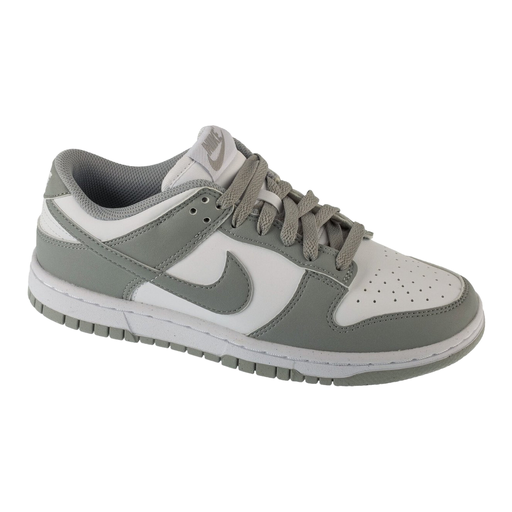
Why this profile is a good fit: For everyday wear, work, shopping and casual outfits. This women’s model features a leather and textile upper with a low-top sneaker construction.
This shoe is not presented as a running shoe. The product information focuses on everyday comfort, grip and streetwear.
Leather and textile upper, padded collar, padded insole and rubber outsole according to the product details.
Browse a current selection of women’s sports trainers and compare models by size, material, intended use and product details.
The lifespan of sports shoes depends on usage, surface, body weight, running style and maintenance. If you run several times a week, it is best to alternate between pairs. Allow wet shoes to dry at room temperature and avoid direct heat, as high temperatures can damage adhesives and materials.
Look out for these signs:
Do not automatically wash sports shoes in the washing machine. Many product descriptions recommend wiping them with a damp cloth and allowing them to air-dry. Always check the care label.
There is no fixed timeframe. Running shoes are often replaced sooner than sneakers for everyday wear because cushioning and grip change more quickly. Judge your shoes by wear and comfort rather than the purchase date alone.
In most cases, lifestyle sneakers such as Nike Dunk, Puma Speedcat and adidas Run 70s are designed for everyday use. For regular running, it is better to choose a model whose cushioning, upper and outsole are specifically described as being intended for running.
Make sure your toes do not touch the front when you are standing or walking. A small amount of extra room is practical, especially over longer distances. Use your foot length in centimetres and the official size chart as your starting point; an EU size alone is not always enough.
