
Vandaag of morgen in huis

Kwaliteit gegarandeerd

Welkomstaanbiedingen ontgrendelen: GRATIS bezorging | Tot 80% korting | Gratis 30 dagen JoyPlus-proefperiode
Download de app
Buying sports shoes seems straightforward until you have to choose between indoor trainers, running shoes, men’s trainers or children’s trainers. A shoe that feels comfortable on a walk isn’t necessarily suitable for indoor football or volleyball. So don’t focus only on colour and brand name: the surface, fit and construction matter most.
Casual trainers can feel comfortable, but their soles aren’t always suited to a smooth sports hall floor. For indoor football, volleyball and basketball, grip, flexibility and stability are important. A sole that leaves marks can also be a problem in sports halls.
Look for non-marking rubber or another sole that’s specifically described as suitable for indoor use. According to the product information, this means the sole shouldn’t leave black marks on suitable indoor floors. Always check the sports hall’s rules as well.
A soft insole can feel comfortable, but plenty of cushioning doesn’t necessarily mean good lateral support. In volleyball, basketball and indoor football, you often move quickly from side to side. A shoe that’s too flexible may give you less control.
Look for a combination of a supportive upper, a firm heel area and a sole with a multidirectional tread pattern. Running shoes are often designed more for forward movement and shock absorption. For everyday wear, comfortable trainers with a flexible rubber sole may be enough.
Sizes vary between brands, models and lasts. A regular fit doesn’t mean every shoe will fit exactly the same way. Some models have a sporty, close-fitting shape that may feel tighter around the forefoot.
If possible, measure your foot at the end of the day, wearing the socks you’ll use for sport. Compare your foot length with the size chart and check whether the product page includes sizing advice. Children benefit from a little extra growing room, but shoes that are too big can make it harder to stay in control.
The surface determines what type of sports shoes you need:
An upper made from mesh or textile can help air circulate. Synthetic materials can offer extra structure and durability. Some models combine the two, for example with mesh inserts and synthetic reinforcements.
Check the fastening, too. Laces let you adjust the fit, while hook-and-loop fastenings can be practical for children. Slip-on shoes are handy for everyday wear, but generally offer less adjustability than lace-up models.
An EVA insole is often used for comfort and shock absorption. Other models use a foam midsole or a brand-specific construction for cushioning. Treat terms such as “energy return” and “responsive cushioning” as product claims made by the brand; concrete material specifications and intended use are easier to compare.
Also check whether the insole is removable. A removable insole is easier to replace or adjust. Children’s shoes often have a non-removable insole, so it’s especially important to check the size and fit carefully beforehand.

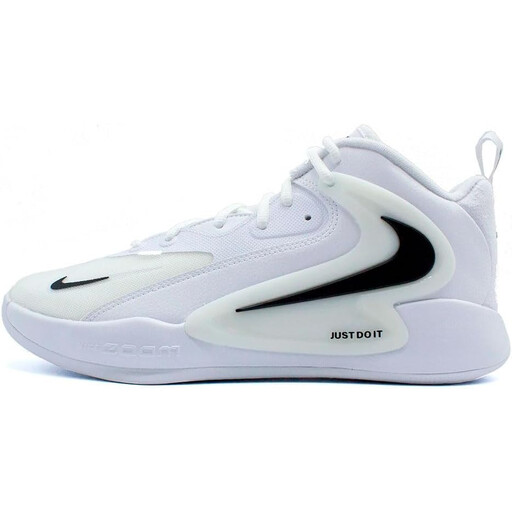
Why it suits this profile: If you’re taking up indoor football or regularly play five-a-side, this model is described in the product information as having a lightweight construction, an EVA insole and a non-marking rubber sole.
Its stated suitability for indoor use helps you avoid choosing everyday trainers with an unsuitable sole.
Non-marking rubber sole, reinforced toe and EVA insole.
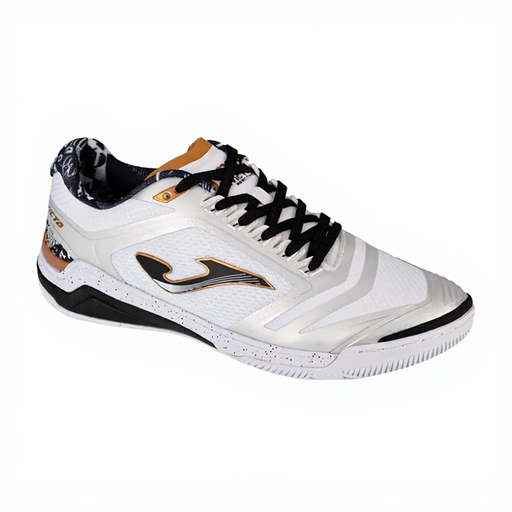
Why it suits this profile: According to the product description, this model is designed for indoor sports and combines synthetic material, mesh, a foam midsole and a multidirectional tread pattern.
The product information specifies both indoor use and a non-marking sole, making it clear which surfaces the shoe is intended for.
Mesh for ventilation, foam cushioning, and a reinforced toe and heel.
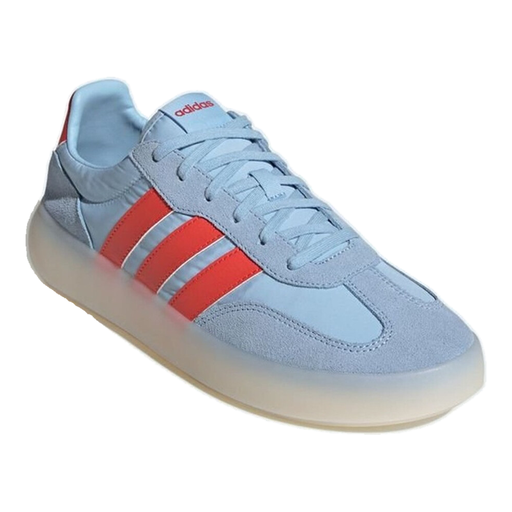
Why it suits this profile: For players who turn and accelerate frequently, the product description lists a lightweight synthetic upper, a padded collar and a rubber indoor sole.
Its indoor-use designation and non-marking sole make it more specialised than a general-purpose sports shoe.
Textured zones for ball contact, mesh lining and a foam midsole.
Why it suits this profile: According to the product information, these trainers have a regular fit, a suede and nylon upper, and a rubber cupsole for everyday wear.
The stated regular fit and size chart help you check the size before ordering.
Cushioned midsole, rubber cupsole and versatile T-toe design.
We’ve put together a complete, up-to-date list of products that meet these strict selection criteria and the applicable European safety regulations.
Air your sports shoes after a training session before putting them away. Remove mud and dirt with a soft brush or damp cloth. Don’t use bleach, and follow the washing and care instructions on the label. Many models shouldn’t be tumble-dried, as heat can damage glue, foam and synthetic materials.
If you play sport several times a week, alternate between pairs. Check the tread, seams and heel regularly. Reduced grip or a compressed insole are signs that it’s time to compare options again.
Choose indoor sports shoes with a non-marking rubber sole, good grip and a fit that supports quick movements. Indoor football, volleyball and basketball shoes each have their own construction. Don’t wear boots with studs designed for grass in a sports hall.
That depends on how often you use them, the surface, your body weight, how well you care for them and the materials they’re made from. Check whether the tread is visibly worn, the cushioning feels less comfortable or the upper no longer fits securely. For this product category, the legal guarantee in the European Union is generally at least two years; this is separate from normal wear and tear through use.
No. Comfort depends on the fit, size, sole, cushioning and what you’ll use the shoe for. Compare objective specifications and choose a model suited to your sport and the surface, rather than relying on price or brand name alone.
