
Vandaag of morgen in huis

Kwaliteit gegarandeerd

Welkomstaanbiedingen ontgrendelen: GRATIS bezorging | Tot 80% korting | Gratis 30 dagen JoyPlus-proefperiode
Download de app
Buying sports shoes seems simple, until you have to choose between football boots, walking boots, lacrosse shoes or men’s trainers. A low price tells you little about whether a shoe is right for your needs. Terms such as “waterproof”, “extra grip” and “lightweight” can also give the wrong impression without technical context.
The three most common pitfalls:
For football and lacrosse, the sole is a practical place to start:
Avoid wearing football boots on asphalt or other hard surfaces for extended periods. This can make the studs and rubber sole wear out more quickly. Men’s trainers or a low-cut training shoe are more practical for everyday wear.
The upper affects flexibility, ventilation and care. Synthetic leather is often easy to clean. Mesh or textile can offer more ventilation, but is not automatically water-resistant. For walking and hiking boots, also look for:
For waterproof walking boots, the water-resistance claim comes from the product information. Actual protection also depends on wear, seams, tongue construction and care. Only use suitable care products on boots with membranes. For example, the Salomon Quest Tracker GTX product page lists a GORE-TEX membrane and recommends drying the boots at room temperature.
Measure both feet at the end of the day, ideally wearing the socks you use for sport or walking. Compare the length of your longer foot with the size chart for the specific model.
Look for:
For example, the PELLIOT hiking boots use a chart listing foot lengths in millimetres. According to the product information, you should choose a larger size if you are between sizes. Always check this against your own foot length and the returns policy.
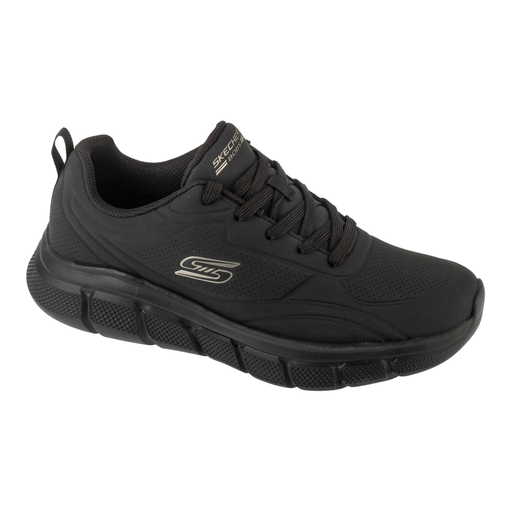
Why it suits this profile: This low-cut slip-on is designed for everyday wear, light training and casual outfits. It’s a good choice if you want one versatile pair rather than specialist football or hiking boots.
The product information lists a synthetic upper, textile lining and cushioned sole. This makes it clear that it’s an everyday trainer, not a shoe for technical terrain.
Slip-on design, synthetic sole and a stated heel height of 3,5 cm. Size 42,5 is listed on the product page.
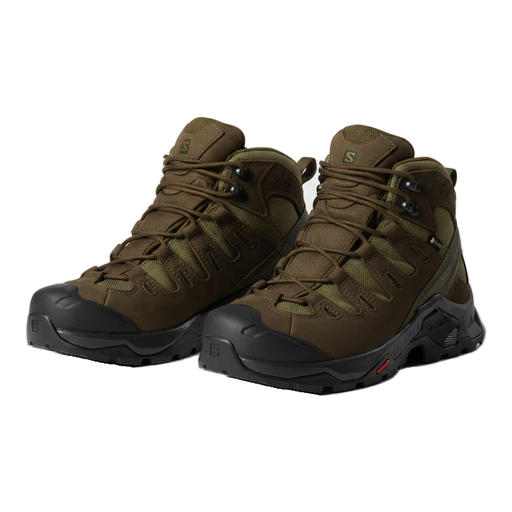
Why it suits this profile: For long walks, trekking and routes with changing terrain, these high-cut walking boots offer features that go beyond those of an everyday trainer.
The product description mentions a high ankle, stable chassis and GORE-TEX membrane. Still, check that the fit and water resistance suit your route and care routine.
Rubber outsole, high-cut construction, a wide fit according to the product information and a stated GORE-TEX membrane.
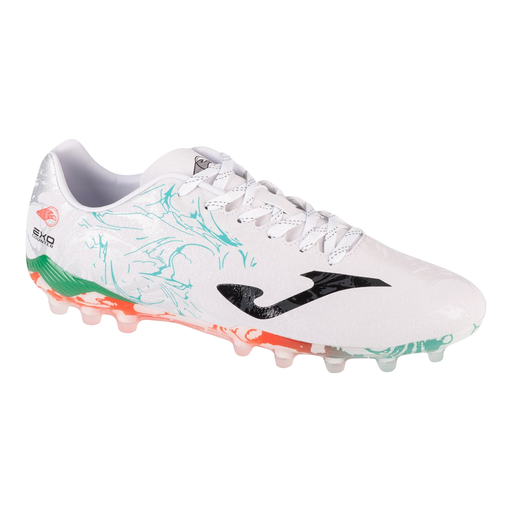
Why it suits this profile: These football boots are specifically described as suitable for artificial grass, making them a good match for players who train or play matches on synthetic pitches.
The sole is labelled AG and the product information recommends using it on artificial grass. This clearly specifies the playing surface, unlike a general sports shoe.
AG studs, synthetic upper, lace-up fastening and rubber sole. This version is listed in size 41.
We’ve put together a complete, up-to-date list of products that meet these strict selection criteria and the applicable European safety regulations.
For natural grass, you could look at models such as the Joma Propulsion Cup 2402 FG, the Joma Aguila Cup 2518 FG or the Joma Super Copa 2402 FG. Their product descriptions specify an FG sole for firm natural pitches. For lacrosse, the Nike Huarache 9 Varsity Lax FG is designed for firm ground and features a synthetic upper, foam midsole and rubber outsole.
If you’re looking for women’s walking boots, consider PELLIOT high-top models for women. For more intensive trekking, the PELLIOT hiking boots and hiking shoes with Vibram outsoles are also worth considering. Check the size availability, foot length, sole and care instructions for each model individually.
Choose a model explicitly labelled AG. AG football boots have a sole designed for artificial grass. Don’t use colour or appearance as your only selection criteria; always check the product description and stud configuration.
Their lifespan depends on how often you wear them, the surface, your body weight, how you care for them and how you store them. A pair used only indoors will wear differently from shoes worn on wet artificial grass, muddy walking trails or rocky terrain. Replace your shoes when the sole becomes visibly smooth, the heel no longer provides support or the upper starts to split.
They can be, but a waterproof membrane isn’t always necessary for short trips around town. These boots may feel warmer or stiffer than men’s trainers. Waterproof walking boots are more practical for long walks in the rain, mud or wet grass; for everyday wear, a more breathable model without a membrane is often enough.
