
Vandaag of morgen in huis

Kwaliteit gegarandeerd

Welkomstaanbiedingen ontgrendelen: GRATIS bezorging | Tot 80% korting | Gratis 30 dagen JoyPlus-proefperiode
Download de app
Sports shoes should suit what you use them for. A pair of everyday trainers has different requirements from running shoes, trail running shoes or walking shoes. Yet many models look similar online. Marketing terms such as “maximum cushioning”, “waterproof” and “lightweight” do not always tell the full story.
The three most common mistakes are:
So start by considering the activity, fit and construction. You can then compare colour, brand and price.
Ideally, measure your feet at the end of the day, when they often take up slightly more space. Compare the measured foot length with the size chart for the specific model. Also check the width indication. A model with width D may feel different from a shoe with width G.
Also check:
For children's shoes, a secure fastening is particularly practical. The Skechers Go Run 400-Darvix, for example, has a hook-and-loop fastening, a standard fit and is available in sizes 30 and 35. According to the product information, the model fits true to size.
The sole largely determines what sports shoes are suitable for. For tarmac and short runs, flexibility and cushioning are often important. For trail running shoes, tread, grip and protection against stones matter more. Walking shoes generally have a sturdier construction and more support than ordinary trainers.
Pay attention to the materials and construction:
Claims about shock absorption or grip come from the brand's product description. Treat them as product specifications, not as a guarantee that a shoe will feel the same on every foot or surface.
Breathable shoes with mesh generally allow more air to circulate. This can feel comfortable in warm weather, at school, at the gym or while running. However, mesh is not automatically water-repellent. For cycling, walking through wet grass or rainy conditions, a membrane such as GORE-TEX may be more practical.
According to the product information, the Salomon XA Pro 3D v9 GTX features a GORE-TEX membrane, a Contagrip rubber outsole and a Quicklace system. Always check the care instructions, though: according to the information provided, this model must not be machine-washed.
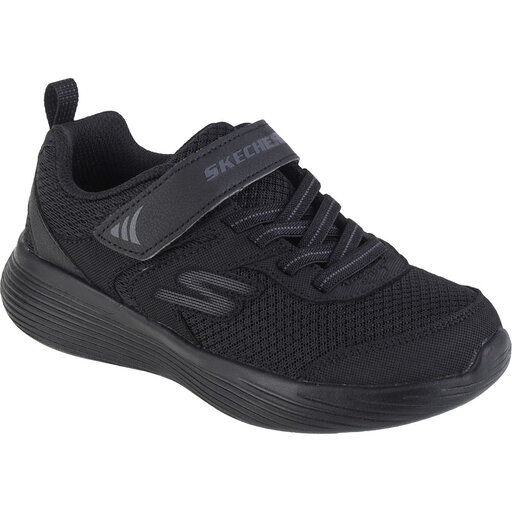
Why it suits this profile: This children's model is designed for school, play and everyday use. The hook-and-loop fastening makes it easy to put on and take off.
The standard fit and stated size 30 make the choice more straightforward. The mesh upper is breathable, but is not designed to provide waterproof protection.
Textile upper, rubber sole, hook-and-loop fastening and, according to the product information, machine washable.

Why it suits this profile: This trail and walking shoe is a good choice for anyone who regularly walks on unpaved paths and values protection in wet conditions.
The combination of GORE-TEX, a lugged sole and reinforced toe and heel is more clearly suited to wet, rough routes than an ordinary trainer.
Waterproof membrane according to the product description, Contagrip sole and adjustable Quicklace system.
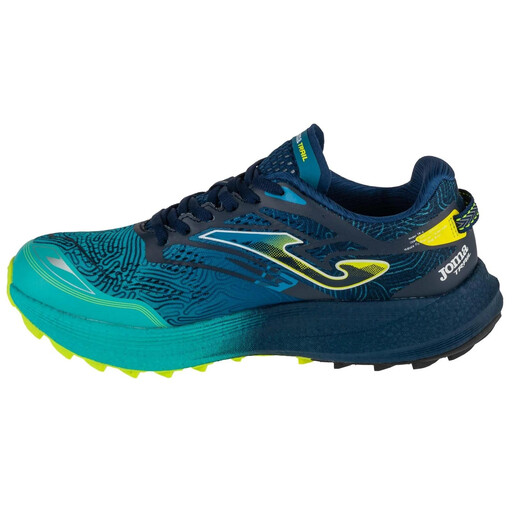
Why it suits this profile: This model is designed for trail running and training on uneven terrain. Size 44 has a standard fit and width D.
The specifications mention not only a breathable mesh upper, but also a lugged sole and reinforced toe and heel for use on rougher terrain.
EVA midsole, high-grip rubber sole and lightweight mesh construction according to the product information.
We have compiled a complete, up-to-date list of products that fully meet these strict selection criteria and the applicable European safety regulations.
Always check the following before completing your purchase:
Their lifespan depends on use, body weight, the surface, care and storage. Look for wear on the tread, tears in the upper and a sole that is visibly becoming uneven or smooth. With running shoes, appearance is not the only consideration: if the cushioning noticeably changes, replacing them may be the wiser option.
You can, but it is not always practical. Running shoes are often lightweight and breathable, while everyday trainers may place more emphasis on style and durability. Avoid wearing trail running shoes on hard shop floors for long periods, as the deep tread may wear unnecessarily quickly.
Waterproof shoes keep moisture out more effectively, but usually release heat less freely than open mesh. Breathable shoes may feel more comfortable on dry, warm days. Choose waterproof shoes especially when rain, wet grass or mud is regularly part of how you use them.
