
Vandaag of morgen in huis

Kwaliteit gegarandeerd

Welkomstaanbiedingen ontgrendelen: GRATIS bezorging | Tot 80% korting | Gratis 30 dagen JoyPlus-proefperiode
Download de app
Sports shoes can look much the same, but it’s the details that make a difference on a walk, during a workout or over a long working day. A soft sole isn’t automatically right for running. A breathable upper doesn’t always offer enough protection for outdoor activities. And an attractive price tells you little about the fit or grip.
This practical guide helps you compare sports shoes by intended use, fit, cushioning, materials and care. That way, you can avoid a costly mistake and find running shoes, walking shoes, trainers, men’s sports shoes or women’s sports shoes to suit your daily routine.
A pair of everyday trainers may be ideal for your commute, but that doesn’t mean they’re right for long runs. Running shoes are generally designed for repeated movement on tarmac and other firm surfaces. Trail running shoes, on the other hand, have a tread pattern and construction made for gravel, mud and uneven paths.
So first, think about where you’ll wear your shoes most often:
Shoes with memory foam can feel comfortable as soon as you try them on. But a soft insole alone doesn’t determine whether a shoe is right for your foot or activity. A very soft sole may feel different when you’re moving actively than it does when you’re walking at a relaxed pace.
Check the midsole, the flexibility of the outsole and the width too. Various Skechers models are listed as having a Memory Foam or Air-Cooled Memory Foam insole. That’s one product specification, but it’s still important to make sure the overall fit works for your foot.
Sizing can vary between brands, models and versions. Check the size guide on the product page and look at the stated fit. Some models have a regular fit, while others come in wider or narrower versions.
If you’re ordering online, check:
Laces help secure the shoe around your foot, while elastic laces or a slip-on style can be especially practical for everyday wear.
A good sports shoe should hold your heel securely without pinching. Your toes need enough room to move naturally. A regular fit works for many feet, but that doesn’t mean every model will feel the same on everyone.
According to the product description, a model such as the Skechers Slip-Ins Go Walk Flex has a regular fit and a G shoe width. It may suit anyone looking for a little more room. Always check the specific size and version before ordering.
Mesh uppers are often used for breathable shoes. According to the product specifications, the material allows air to pass through and can feel comfortable during exercise or in warmer weather. However, mesh doesn’t mean waterproof. For wet conditions, check the product information on water resistance separately.
For outdoor activities, a combination of mesh, woven material and reinforcements may be more practical. For example, PELLIOT models are described as having a sandwich mesh and woven upper, with a TPU film reinforcement on certain versions. Use this information to weigh up ventilation against protection from dirt.
The outsole should suit the surface you’ll be walking or running on. Rubber outsoles are common on trainers and running shoes, but the tread varies by model. A smoother tread is often a sensible choice for tarmac. Deeper, more pronounced lugs are more useful on gravel or mud.
The Salomon DRX DEFY GRVL is listed as having an All Terrain Contagrip outsole and Active Chassis for use on gravel and mixed terrain. According to the product description, this model is designed for trail running, walking and outdoor activities. That makes it particularly relevant if you don’t stick to paved roads.
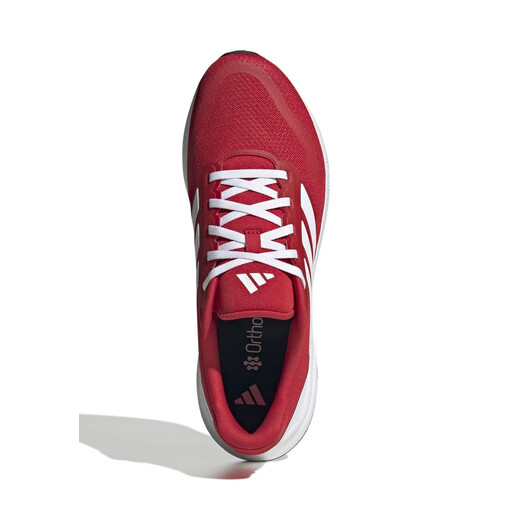
Why it suits this profile: This model is designed for everyday running and short distances on roads. The combination of mesh, a Cloudfoam midsole and an Ortholite insole makes it a good fit for anyone looking for one pair for light training and everyday wear.
The product information specifies short runs of 0–10 km, making its intended use clearer than that of a general-purpose trainer.
Mesh upper, Cloudfoam midsole, Ortholite insole and Adiwear outsole, according to the product specifications.
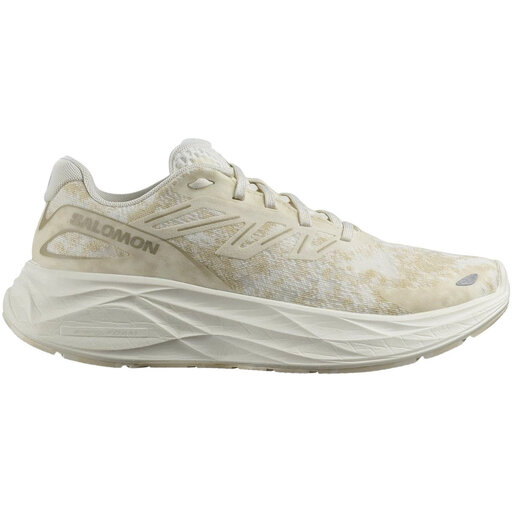
Why it suits this profile: According to the product information, these women’s running shoes are designed for tarmac, urban routes and daily training. The thick rubber sole and soft textile lining make them well suited to frequent use on paved surfaces.
Its intended use is clearly specified as hard surfaces, so it’s easier to tell when this model is—and isn’t—the right choice.
Synthetic and textile upper, textile lining, lace-up fastening and rubber sole, according to the product description.
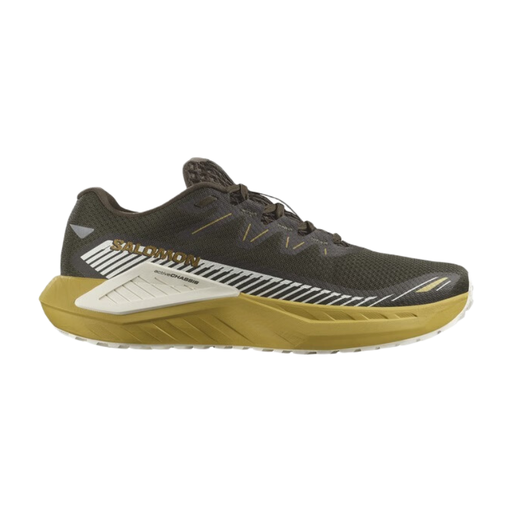
Why it suits this profile: This model is designed for gravel, mixed terrain, trail running and walking. It’s a targeted choice if you regularly head off paved roads.
The product description clearly states the intended terrain and sole type. This helps you avoid choosing a smooth city sole for uneven paths.
Active Chassis, Energy Foam midsole, mesh upper and All Terrain Contagrip outsole, according to the product details.
We’ve put together a complete, up-to-date list of products that meet these strict selection criteria and current European safety regulations.
How long sports shoes last depends on how you use them, the surface you wear them on, your body weight, your gait and how well you care for them. Don’t automatically keep wearing running shoes until the soles are completely smooth. Look out for visible wear, reduced grip, uneven wear or a midsole that no longer feels even.
These practical care tips are generally worth following:
For everyday wear, trainers or comfortable training shoes with a regular fit, flexible rubber sole and breathable upper are a practical choice. A model with memory foam may feel comfortable, but remember to check its stability and care instructions too.
There’s no set lifespan for all running shoes. Check the wear on the outsole, the shape of the midsole and any changes in comfort or fit. Frequent use on tarmac can put more strain on the sole than occasional walking.
They can be, but the pronounced tread may feel different on smooth floors or tarmac compared with a road-running sole. Choose trail running shoes primarily if you regularly run or walk on gravel, woodland paths or mixed terrain.
