
Vandaag of morgen in huis

Kwaliteit gegarandeerd

Welkomstaanbiedingen ontgrendelen: GRATIS bezorging | Tot 80% korting | Gratis 30 dagen JoyPlus-proefperiode
Download de app
Sports shoes may seem easy to compare at first glance. Yet a pair that looks good can become uncomfortable after just a few weeks. The wrong fit, insufficient grip or a sole that does not suit how you use the shoes can often leave you with a purchase that is of little practical use.
As a Joybuy Product Recommendation Officer, I filter product information based on practical considerations. It is not the most recognisable logo, but size, materials, cushioning, grip and intended use that determine whether sports shoes are right for you.
Brands use terms such as “advanced cushioning”, “energy return” or “shock absorption”. These are descriptions from the brand’s product communications. According to adidas’s own product information, for example, some models contain Cloudfoam or Lightstrike Pro. This tells you something about the construction, but not automatically whether the shoe will feel comfortable on every foot.
So also pay attention to:
A road-running shoe is primarily designed for asphalt and other hard, relatively even surfaces. For woodland paths, gravel or mud, trail-running shoes are a more logical choice because they have an outsole with deeper lugs for better grip.
A model with a thick rubber outsole is not automatically suitable for wet rocks or loose sand. Check whether the product description specifically mentions use on gravel, trails or mixed terrain.
Sizes can vary between brands and models. Some product pages also list EU, UK, US and foot-length sizes together. Measure your foot at the end of the day, when feet often take up slightly more space. Compare the measurement with the size chart for the specific product.
Extra care is important when buying children’s shoes. A model with a hook-and-loop fastening can be practical, but your child still needs enough room for their toes and their heel must not slip out of the shoe.
Do not just look at size 40, 41 or 42; also check the stated width. The available product information may, for example, specify width D and a standard fit. This is a useful starting point, but it does not guarantee that every foot will experience the same amount of room.
For women’s running shoes and men’s running shoes, check:
Laces generally allow a more precise fit around the foot. Hook-and-loop fastenings are quicker for children’s shoes and everyday use.
Cushioned sports shoes can feel comfortable when walking, training or running, but the amount of cushioning is a personal choice. A softer midsole feels different from a firmer model that provides more direct contact with the ground.
For short runs and everyday use, lightweight running shoes with a mesh upper can be practical. For longer distances, it is also worth considering the stability, fit and durability of the outsole. Product claims about comfort or shock absorption come from the brand’s product description, so assess them alongside the specific materials and construction.
A mesh upper generally allows more air to circulate than synthetic leather, while synthetic leather can be easier to wipe clean. Rubber on the outsole offers different durability and grip from a lightweight foam sole.
Pay attention to the care instructions:
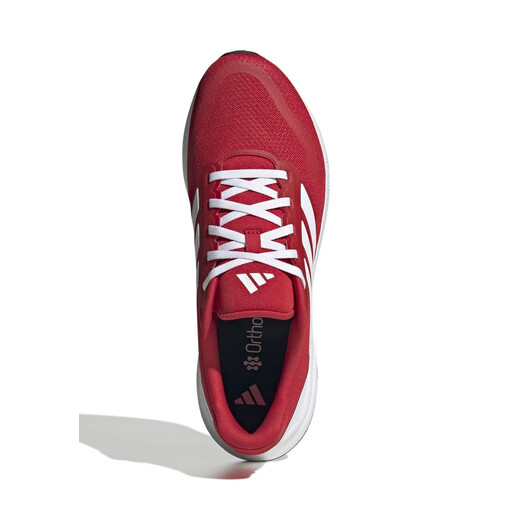
Why it suits this profile: According to the product information, this adidas model is designed for road use and short distances of 0–10 km. This makes it a practical choice for beginner runners and everyday active use.
The product information clearly states the terrain and distance. The mesh upper, Cloudfoam midsole and Adiwear outsole are named specifically rather than being covered by a general comfort claim.
Mesh upper, Ortholite insole, Cloudfoam midsole and Adiwear rubber outsole; lace fastening for an adjustable fit.
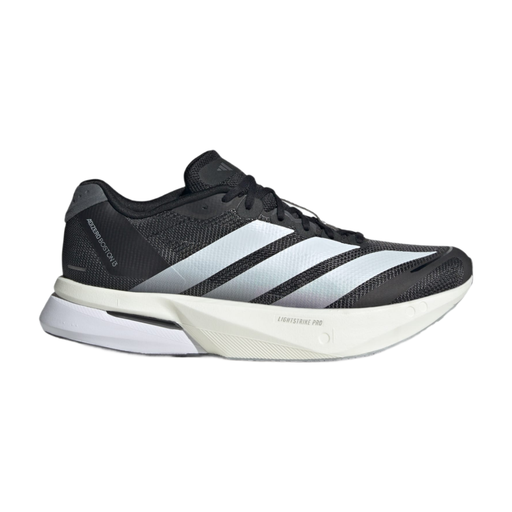
Why it suits this profile: This women’s model is designed for running, with a lightweight mesh upper, Lightstrike Pro midsole and Energy Rods. The specifications suit runners looking for a more technical construction.
The construction is specified component by component: technical mesh, Lightstrike Pro and Continental rubber are listed separately. However, check that the fixed size 38 2/3 is suitable for your 23.5 cm foot length.
Technical mesh, Lightstrike Pro midsole, Energy Rods and Continental rubber outsole; designed for training and racing.
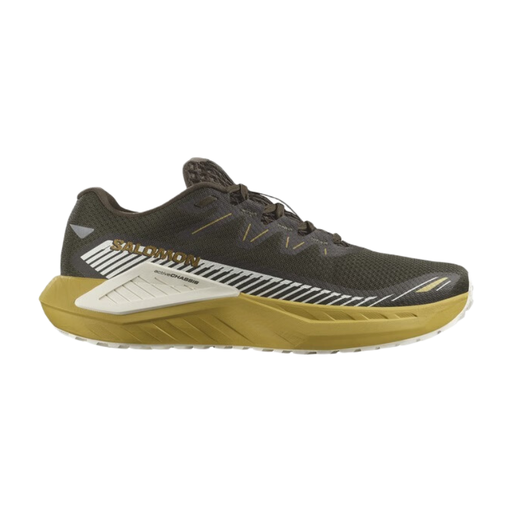
Why it suits this profile: According to the product description, this Salomon model is made for gravel paths, mixed terrain and outdoor activities. It suits users looking for more grip and guidance than a standard road-running shoe can offer.
The terrain is described specifically and the outsole is identified as All Terrain Contagrip. This makes the choice easier to assess than a general claim about grip.
Active Chassis for support according to the product information, Energy Foam midsole and All Terrain Contagrip rubber outsole; mesh upper.
Trainers such as the adidas Run 70s 2.0, New Balance U574RUS39.5 or Skechers trainers are mainly suitable for everyday use, school, commuting and light activities. They often combine a rubber outsole with textile, mesh, synthetic leather or suede.
For proper running training, running shoes are usually the more logical choice, as their midsole, fit and grip are designed around repeated running movements. For children, children’s shoes with a standard fit, rubber sole and simple fastening are practical. Check the stated size with every order; some product pages display several size conversions side by side.
We have put together a complete, up-to-date list of products that fully meet these strict selection criteria and the applicable European safety regulations.
Their lifespan depends on use, the surface, body weight, care and the shoe’s construction. Look for wear on the tread, tears in the upper and a midsole that has visibly compressed. For running, appearance is not the only consideration: a worn sole may offer less grip.
Not as a standard rule. Many models recommend cleaning with a damp cloth and allowing them to dry naturally. The product information may specify an exception, but always check the label. Heat, bleach and harsh cleaning products can damage the materials and affect the fit.
Road-running shoes generally have a sole designed for asphalt and flat paths. Trail-running shoes often have a deeper tread and a construction that offers more protection and grip on gravel, mud or uneven terrain. Choose based on your regular route, not just the colour or brand.
