
Vandaag of morgen in huis

Kwaliteit gegarandeerd

Welkomstaanbiedingen ontgrendelen: GRATIS bezorging | Tot 80% korting | Gratis 30 dagen JoyPlus-proefperiode
Download de app
Buying sports shoes for women and men seems simple, until you have to choose between road-running shoes, trail-running shoes, walking shoes, trainers and indoor sports shoes. A pair that feels comfortable on a walk may not provide enough grip on muddy paths. A sturdy trail shoe, on the other hand, may feel too stiff on an indoor sports floor.
That’s why a product description tells you more than just the brand or colour. Pay particular attention to the terrain, fit, sole and how you plan to use the shoes.
The term ‘all-terrain’ sounds versatile, but it doesn’t automatically mean a shoe is suitable for every surface. A trail shoe with deep lugs is designed for loose earth, mud or gravel. On a smooth indoor floor, that kind of sole may not move as naturally. Conversely, an indoor sports shoe may not offer enough protection on rocky paths.
So, first consider where you’ll wear the shoes most often: on tarmac, woodland paths, mountain trails, in a sports hall or around town every day.
Plenty of cushioning can feel comfortable, but comfort also depends on fit, stability and weight. A soft midsole isn’t automatically suitable for long walks or intense lateral movements. Look at the combination of EVA, React or Cloudfoam materials, the support provided by the upper and the firmness of the heel.
Sizing can vary between brands and models. Measure both feet at the end of the day and compare the longer foot with the size chart. A little room around the toes is useful for running and walking, while a heel that’s too loose may slip and cause irritation. Also check whether the model has a standard or narrow fit.
For outdoor use, tread pattern, rubber compound and lug depth are important things to check. Shoes with good grip usually have a tread pattern suited to the terrain:
A brand name on the sole doesn’t guarantee grip in every situation. According to the manufacturer’s product description, a particular compound may be designed for wet or loose surfaces. How suitable it is in practice also depends on wear, terrain and your walking style.
Breathable sports shoes with mesh usually let more air through than fully closed materials. This can be more comfortable when running or in warm weather. However, an open mesh construction won’t offer the same protection from rain as a model with a water-repellent membrane.
According to the product description, the Salomon Speedcross 5 GTX W has a GORE-TEX membrane, a synthetic and textile upper, and a Contagrip TA outsole. These features make it worth considering for wet, soft or mixed terrain. Bear in mind that water resistance doesn’t mean a shoe will remain waterproof indefinitely.
Lightweight sports shoes can be comfortable for everyday wear and longer distances, but a lower weight can sometimes mean less protection. For intensive outdoor sports, heel stability, toe protection and a well-fitting upper are just as important.
Also check:

Why it suits this type of wearer: The combination of sandwich mesh, woven fabric and an EVA midsole is designed for recreational running and use on varied surfaces. The available size chart lists foot lengths from 245 to 275 mm.
The description lists specific materials and both standard and narrow fits, rather than making only a general claim about comfort.
Lightweight upper, EVA cushioning and ROCKYTEC sole, according to the product information.

Why it suits this type of wearer: According to the product description, this women’s model is designed for trail running on muddy and mixed terrain, with a focus on protection, grip and fit.
The specifications list the GORE-TEX membrane, Quicklace system, OrthoLite insole and Contagrip TA outsole separately.
Water-repellent membrane according to the product information, deep lugs and a supportive SensiFit construction.

Why it suits this type of wearer: This indoor sports shoe is designed for quick movements in a sports hall, such as during volleyball, handball or other sports involving frequent changes of direction.
The product information specifically mentions a non-marking rubber sole and multidirectional tread, making its intended use clearer than that of a general sports shoe.
Flexible construction, mesh for ventilation and a cushioned midsole, according to the product specifications.
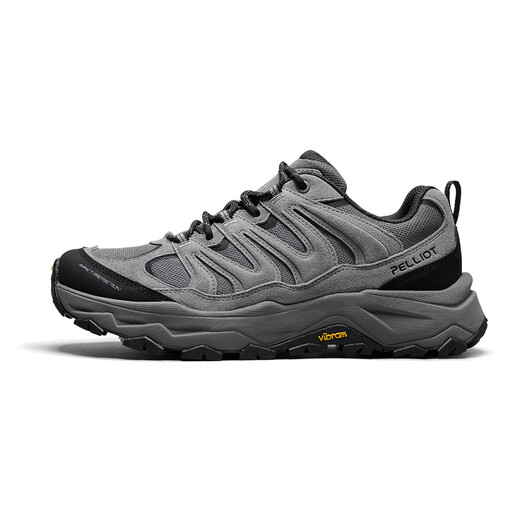
Why it suits this type of wearer: This model is designed for walking, hiking and mountainous terrain. It is available in sizes 42 and 44; check current stock and sizing information before buying.
The product name specifies hiking and mountain climbing, and mentions a Vibram outsole. Check the full product specifications before using it on technical terrain.
Designed for outdoor use and available in several men’s sizes within this product range.
We’ve put together a complete, up-to-date list of products that meet these strict selection criteria and the applicable European safety regulations.
The lifespan of sports shoes depends on how often you use them, your body weight, the surface and how well you care for them. If you exercise several times a week, alternate between pairs and let damp shoes air-dry after use. Avoid radiator heat, washing machines and harsh cleaning products if the product instructions advise against them.
Replace a pair when the sole becomes visibly smooth, the cushioning feels uneven, the upper tears or the heel no longer fits securely. According to the product information, the listed models come with a minimum two-year legal guarantee; this is separate from normal wear and tear through use.
For tarmac and paved paths, running shoes with an even tread pattern, sufficient cushioning and a fit that holds your heel securely are usually a good choice. For woodland paths, mud or loose stones, trail-running shoes with deeper lugs are more suitable. Adidas running shoes, Nike sports shoes and PELLIOT models can all have different features, so compare the specific model rather than choosing by brand alone.
There’s no set lifespan that applies to every pair. Check the sole, midsole and heel regularly. Intensive running and use on rough surfaces generally speed up wear. With everyday use, a trainer may show cosmetic wear sooner than a running shoe, even if it is still wearable.
They can be, if their weight, flexibility and fit suit how you plan to use them. Sturdy hiking shoes often offer more protection, but may be warmer or heavier than trainers. For short walks around town, breathable, lightweight models are usually more practical. For wet paths and changes in elevation, grip and stability matter more.
