
Vandaag of morgen in huis

Kwaliteit gegarandeerd

Welkomstaanbiedingen ontgrendelen: GRATIS bezorging | Tot 80% korting | Gratis 30 dagen JoyPlus-proefperiode
Download de app
Buying sports shoes seems straightforward until you have to choose between running shoes, trail running shoes, indoor football shoes, football boots, trainers and casual shoes. A model may look appealing, yet still be unsuitable for your surface, foot shape or intended length of use.
As a Joybuy Product Recommendation Officer, I therefore start by looking at verifiable features: material, sole type, fit and intended use. This helps you avoid paying solely for a brand name, colour or marketing promise.
Running shoes are not automatically suitable for football. Football boots with FG studs are designed for firm natural grass, while indoor football shoes need a flat, non-marking rubber sole. If you use the wrong sole type, grip may be disappointing and the shoe will wear out more quickly.
Trail running shoes are also different from standard running shoes. On tarmac, you mainly need a smooth transition and cushioning. On gravel, mud or uneven paths, tread and stability are more important.
A lightweight shoe feels comfortable when you try it on, but that says little about its support. Also check the midsole material, heel firmness and forefoot shape. An EVA midsole can provide cushioning and resilience, but the experience varies depending on the construction and the individual.
Also consider ventilation. Breathable mesh shoes can be comfortable during long activities, but they often offer less protection from rain and sharp branches than a model with additional synthetic reinforcement.
Sizes vary by brand and model. Measure both feet at the end of the day, when feet are often slightly larger. Then use the size chart for the specific product. Do not look only at the EU size; also check the stated foot length in millimetres or centimetres.
For running, a little room around the toes is practical. For indoor football and lacrosse, a secure, close-fitting design is more important, so your foot moves less during quick changes of direction.
Choose the sole according to where you play or train:
A claim such as “good grip” should always be considered alongside the stated sole and surface. According to the product descriptions of some brands, a particular rubber compound is suitable for wet or loose surfaces. That is a brand claim, so also check the specific sole type and usage instructions.
Mesh and textile materials generally provide airflow and keep weight down. Synthetic leather or TPU reinforcements can offer extra protection and durability. For everyday wear, leather trainers such as the PUMA Speedcat may be a different choice from lightweight running shoes.
Pay attention to the seams around the toes, the heel counter and the lacing area. These are places where pressure or wear can quickly become noticeable. If you have wide feet, look for a wider last or a version explicitly described as wide fit.
A soft midsole is not comfortable for everyone. Some runners prefer a more responsive feel, while others want greater comfort over longer distances. Look at the material, such as EVA, Bounce 2.0 or another foam construction specified by the brand, but do not treat claims about protection or energy return as medical facts.
A regular fit suits many feet, but not every foot shape. Always check the available size, insole length and any options such as slim or standard fit.

Why it suits this profile: A versatile model for anyone switching between city roads, parks and light trails. The standard and slim-fit options make comparison easier.
The product information specifies an EVA midsole, mesh and a ROCKYTEC rubber outsole. This gives you concrete information about what the shoe is designed for, rather than just a general comfort claim.
Lightweight sandwich mesh and a size indication by foot length. Suitable for use on several types of terrain.
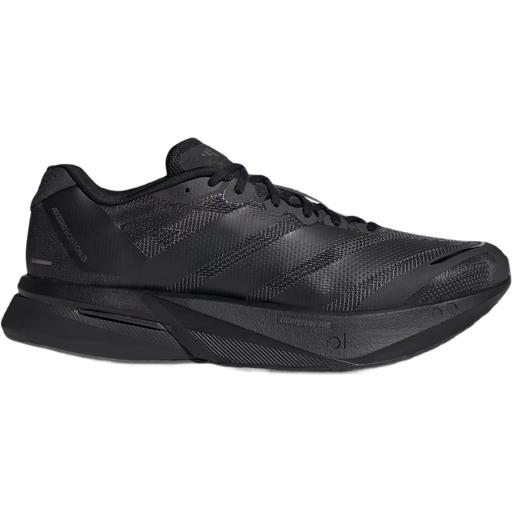
Why it suits this profile: Designed for runners seeking a technical running shoe for intensive training and a smooth transition.
The specifications list the textile upper, Lightstrike Pro, ENERGYRODS and a Lighttraxion outsole. Compare these features with your training goals before buying.
Adidas specifies Continental Rubber at the forefoot and a foot length of 246 mm for EU 39 1/3.
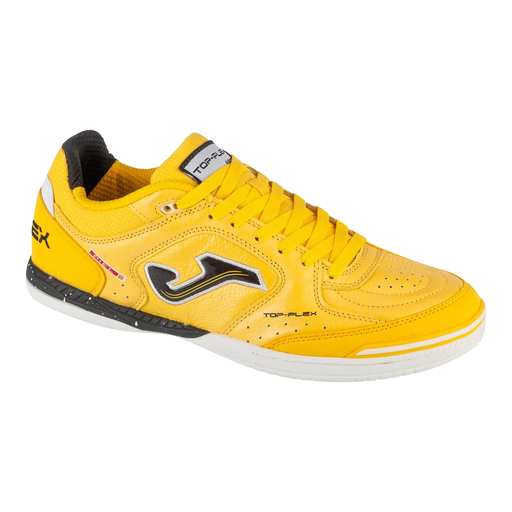
Why it suits this profile: A purposeful choice for indoor football and futsal players who want to turn and accelerate quickly on indoor surfaces.
The sole is specifically described as non-marking rubber for indoor use. This helps prevent the mistake of wearing an outdoor shoe on a sports floor.
Flexible construction, reinforced toe, EVA insole and rubber indoor sole. The stated fit is regular.
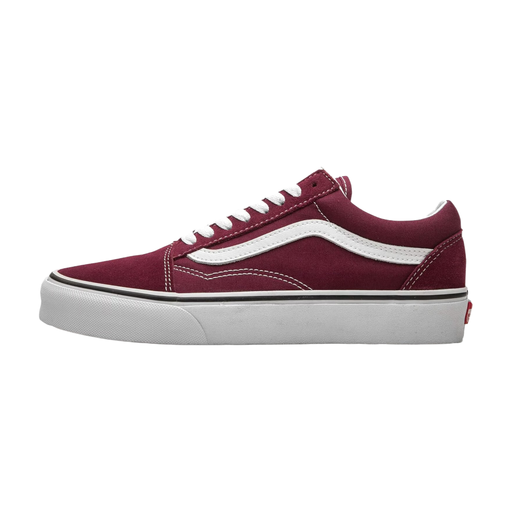
Why it suits this profile: A low-profile trainer with a textile upper and rubber sole for work, walking and everyday outfits.
The product details list the upper, lining and rubber sole separately. This lets you assess the shoe as a casual model, not as a running shoe.
Textile construction, rubber sole and low-profile silhouette. Not intended to replace sports shoes with specific cushioning or studs.
For football on natural grass, the Joma Propulsion Cup 2402 FG and Nike Huarache 9 Varsity Lax FG are examples of models with an FG stud configuration. Use football boots or lacrosse shoes like these on the surface for which they are specified.
For off-road routes, you could consider the Salomon DRX DEFY GRVL. According to the product description, this model has a mesh upper, Energy Foam midsole and All Terrain Contagrip outsole. The manufacturer positions it as a model for gravel and mixed terrain; check whether this combination suits your route.
If you are looking for lightweight shoes for the beach, at home or around the pool, slides such as the PUXI Banana Boat Slide are a different category. The wide EVA shape and stated foot length of 240 mm for EU 37-38 make choosing the right size straightforward. However, slides provide less hold than lace-up shoes and are therefore not suitable for intensive sport.
We have put together a complete, up-to-date list of products that fully meet these strict selection criteria and the applicable European safety regulations.
Choose running shoes based on the surface, running distance, fit and cushioning. For tarmac, flexible models with an even rubber sole are practical. For woodland or gravel paths, trail running shoes with more tread and stability are the more logical choice. Always check the size chart and foot length.
Their lifespan depends on frequency of use, body weight, surface, care and material. Do not focus only on the shoe’s age; pay particular attention to wear. A thinned-out tread, cracks in the upper or compressed cushioning are all reasons to reassess a pair.
Only if the model is designed for both surfaces. Indoor football shoes often have a non-marking sole for indoor floors. Football boots with FG studs belong on firm natural grass. A versatile running or trail model may handle several surfaces, but check the official product description first.
