
Vandaag of morgen in huis

Kwaliteit gegarandeerd

Welkomstaanbiedingen ontgrendelen: GRATIS bezorging | Tot 80% korting | Gratis 30 dagen JoyPlus-proefperiode
Download de app
Buying sports shoes seems simple, until you have to choose between running shoes, trainers, trail running shoes, basketball shoes or walking shoes. An attractive appearance says little about grip, fit or cushioning. A well-known brand name is no guarantee that a shoe is suitable for your surface or type of training.
With this practical guide, you can focus on the features that make the biggest difference in the Netherlands: intended use, fit, sole, materials and care.
A trainer for everyday use is not automatically suitable for running. A walk around town requires different features from a wet woodland path or an indoor training session. A flat rubber sole can be comfortable on the pavement, but may offer less grip on mud or loose surfaces. Sports shoes with deep lugs, on the other hand, are less comfortable on hard floors.
So first decide what you will mainly use the shoes for:
Lightweight sports shoes often feel comfortable when trying them on, but a low weight does not tell you how stable or durable the model is. A very thin upper may offer less protection during trail running. A soft sole may feel comfortable, but is not suitable for everyone during quick changes of direction.
Always compare several features together: weight, midsole, sole material, fit and recommended use.
Sizing varies between brands and models. An EU size 42 does not have the same internal length in every pair. Ideally, measure your feet at the end of the day, wearing the socks you use for sport. When running and walking, leave some room around the toes so that your foot does not hit the front of the shoe on descents.
Also check whether the model has a standard fit, a narrow design or a wide toe box. According to the product information, some PELLIOT models are available in standard and slim versions. The standard version is intended for most feet; the slim version offers a closer fit.
The midsole largely determines how the shoe feels. EVA foam is often used for cushioning and resilience. According to the product description, the adidas Galaxy 7 M has a Cloudfoam midsole and is intended for road running. This makes this type of shoe interesting for recreational runners looking for a comfortable option for longer distances.
When choosing cushioned shoes, consider:
A soft midsole is not automatically suitable for every foot. Fit and stability remain more important than marketing terms.
For wet Dutch cycle paths, woodland tracks and walking routes, grip is an important practical consideration. Trail running shoes usually have a more pronounced profile than standard running shoes. The PELLIOT models in this selection specify a ROCKYTEC rubber outsole for grip on surfaces including wet stones, mud and loose sand. These are product specifications taken from the product description; check the product page to see which version and sole variant you are choosing.
For team sports, pay particularly close attention to the abbreviation or playing surface. According to the product information, the Nike Huarache 9 Varsity Lax FG has an FG stud configuration for natural grass. This type of profile is not intended as a universal sole for indoor use or everyday walking.
Mesh and textile generally allow more air through than fully synthetic leather. This can be comfortable during training or in warm weather. Synthetic leather is often easier to wipe clean and works well for casual trainers.
If you are looking for waterproof sports shoes, do not rely on the title alone. According to the product information, the Salomon XA Pro 3D v9 GTX features a GORE-TEX membrane and a Contagrip outsole. The manufacturer positions this model for trail running and walking in wet conditions. Waterproofing does not mean that the shoe will remain completely dry in every situation; also check the shoe height, tongue construction and care instructions.
The choices below are based on verifiable information about materials, sole, fit and stated use. They are not an overall ranking: the right shoe depends on your activity and foot shape.
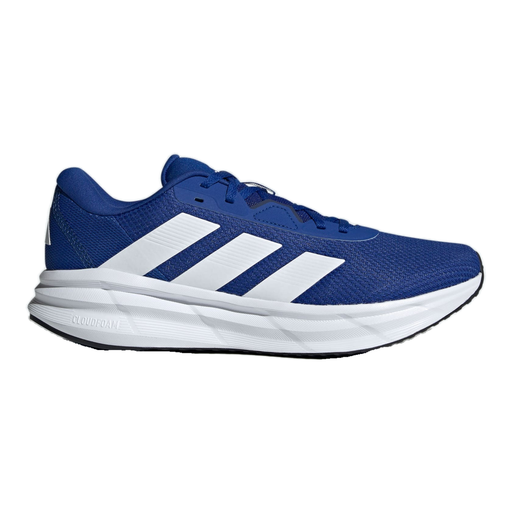
Why it suits this profile: A practical choice for beginner runners and everyday use on paved roads, with a regular fit and lace fastening.
The product description specifies road running, making it less likely that you will choose a flat casual trainer for training.
Cloudfoam midsole, breathable textile lining and TPU outsole according to the product specifications.
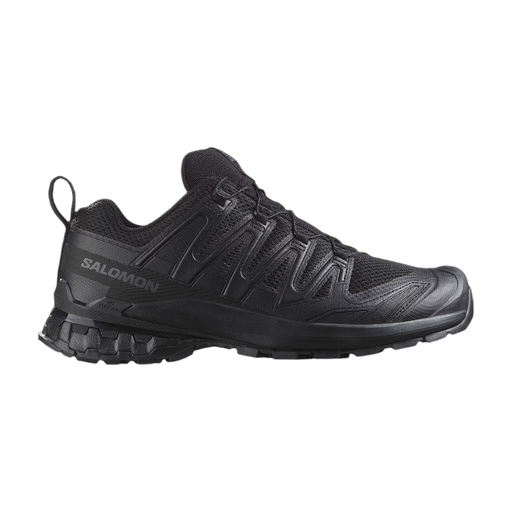
Why it suits this profile: Designed for walkers and trail runners who value stability, grip and protection in wet conditions.
The stated use, membrane and profile make it clear that this is not an ordinary trainer for every surface.
GORE-TEX membrane, 3D Advanced Chassis, Quicklace and Contagrip sole according to Salomon's product information.
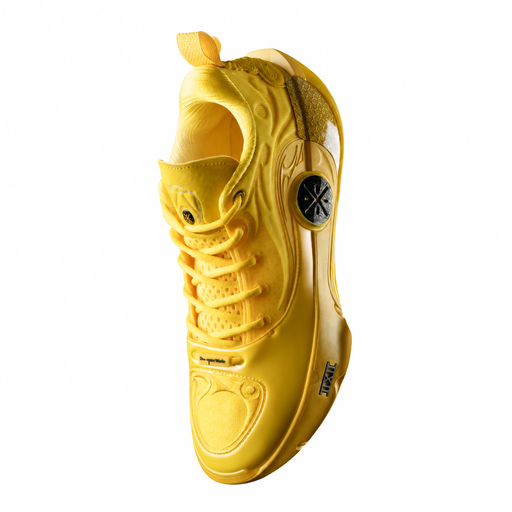
Why it suits this profile: For basketball players looking for a model suited to quick starts, stops and changes of direction on indoor or outdoor courts.
The shoe is clearly described as a basketball model, so you will not choose a running shoe for movements that require greater lateral support.
Dual-layer SUPER BOOM midsole, carbon plate and rubber GCU outsole according to the product information.
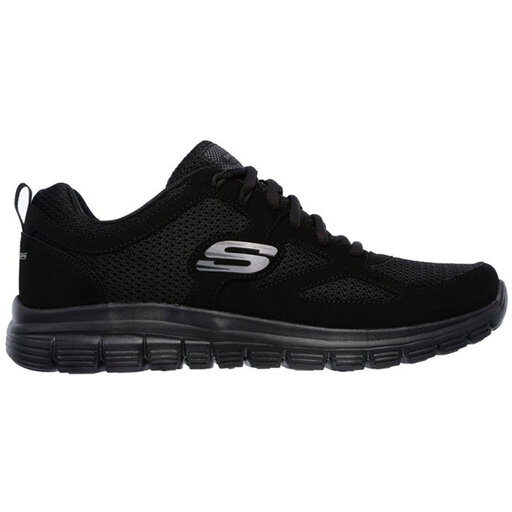
Why it suits this profile: A low-cut model for men mainly looking for a comfortable trainer for work, shopping, walking and light training.
The description specifies the model for everyday use and mentions mesh inserts for ventilation, making its intended use clearer than that of a general sports shoe.
Memory Foam insole, mesh inserts and flexible rubber sole according to the product specifications.
We have put together a complete, up-to-date list of products that fully meet these strict selection criteria and the applicable European safety regulations.
A pair used only for walking may last longer than the same model worn for running every day. So look at signs of wear rather than relying solely on a fixed timescale.
For running on tarmac, running shoes with suitable cushioning, a breathable upper and a stable fit are a practical choice. For off-road routes, trail running shoes with a more pronounced profile and additional protection make more sense. Do not use football boots or basketball shoes as general running shoes.
There should be enough room to prevent your toes from touching the front, but your foot should not slide around. Measure both feet and choose your size based on the longer foot. Also check the width around the forefoot and try the pair with your usual sports socks.
This depends on use, surface, body weight and care. Look out for deformed cushioning, smooth-worn tread edges, cracks and uneven wear. With intensive running, you may need to check your shoes sooner than with casual trainers worn mainly for everyday use.
