
Vandaag of morgen in huis

Kwaliteit gegarandeerd

Welkomstaanbiedingen ontgrendelen: GRATIS bezorging | Tot 80% korting | Gratis 30 dagen JoyPlus-proefperiode
Download de app
Finding the right sports shoes can be a challenge. The market is flooded with models for every imaginable activity, each with its own technologies and promises. Whether you're a dedicated volleyball player, an adventurous trail runner, or an avid hiker, the right shoe is essential for performance and comfort. This article serves as a practical, no-nonsense guide to help you make an informed choice. We'll highlight several specific models and provide the key criteria you need to select the right sports shoes for yourself.
Before we dive into specific recommendations, here are a few objective criteria to help refine your search.
The surface you play on is one of the most critical factors. Indoor sports shoes are designed for smooth, flat floors. They often have a non-marking rubber sole for maximum grip without leaving scuffs. For outdoor sports, it's a different story. Women's trail running shoes and men's versions require a profile with deep grooves (lugs) for grip on mud, rocks, and uneven terrain. Hiking shoes focus on a combination of grip and durability for long-term use on varied paths.
Every sport has a unique pattern of movement. A volleyball player makes many vertical jumps and quick lateral movements. Men's volleyball shoes are therefore often equipped with extra cushioning under the forefoot and heel, and they provide lateral stability to support the ankles. A runner primarily needs cushioning that absorbs the impact of forward motion. The amount of cushioning is a personal preference, but the technology must match the activity.
A good fit is non-negotiable. Shoes that are too small cause blisters, while shoes that are too large allow your foot to slide, leading to a lack of control. Pay attention to the upper material. Synthetic mesh materials offer excellent breathability, which is crucial during intense workouts. Brands like Salomon sports shoes sometimes use advanced materials such as Matryx, which the manufacturer claims offers a combination of durability and flexibility.
Based on product specifications and their intended use, we have selected several compelling options for different types of athletes.
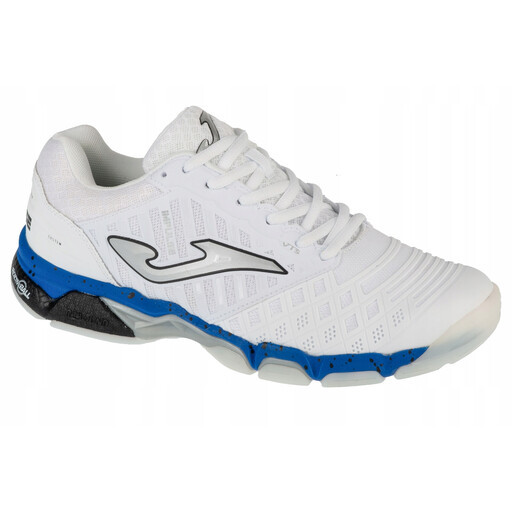
Why it stands out This shoe from Joma sports shoes is specifically designed for the dynamics of volleyball. The manufacturer, Joma, highlights the Reactive Ball technology in the midsole, which is aimed at providing excellent shock absorption and energy return when jumping. The combination with technologies for protection and flexibility makes this a complete shoe for indoor courts.
Product Specifications
Who is it for? For male volleyball players, at both competitive and recreational levels, who are looking for a shoe that combines cushioning, stability, and a responsive feel.
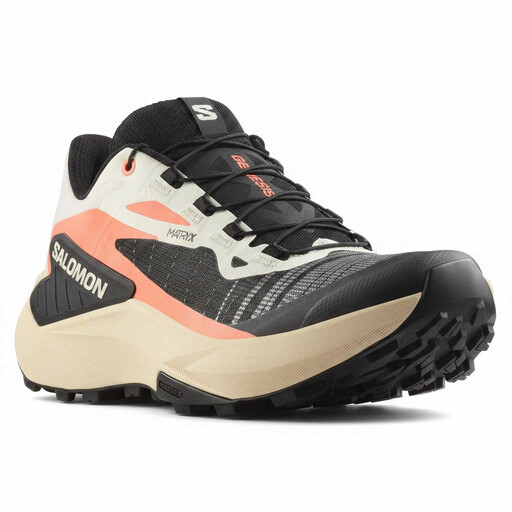
Why it stands out The Salomon Genesis W is a model from the women's trail running shoes category, built for rugged and technical terrain. According to Salomon, the robust Matryx upper provides a balance of support and breathability. The outsole, with its deep 4.5 mm lugs, is designed to inspire confidence on both rocky and mixed surfaces.
Product Specifications
Who is it for? For female runners who train regularly (2-3 times a week) on technical trails and need a reliable, durable shoe that offers excellent grip and protection.
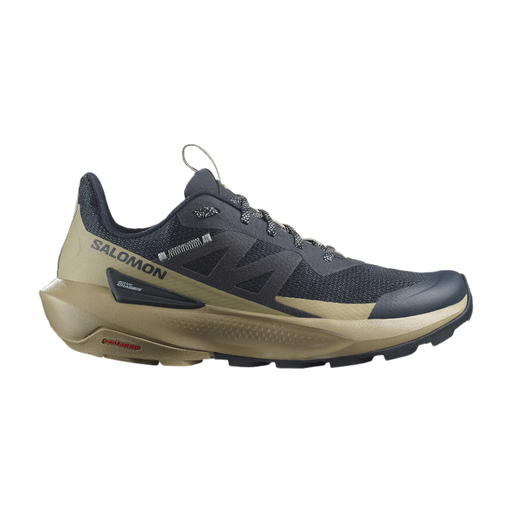
Why it stands out The Salomon Elixir Active is a versatile shoe that blurs the line between hiking shoes and everyday trainers. The focus is on all-day comfort, thanks to the Energy Foam midsole that, according to Salomon, ensures a smooth ride and shock absorption. The All Terrain Contagrip outsole makes it suitable for a wide range of surfaces, from city pavements to light forest trails.
Product Specifications
Who is it for? For active individuals seeking a single pair of outdoor shoes for various activities, such as hiking, travelling, or daily use, who value comfort and reliable grip.
These recommendations represent just a small fraction of the available options. Every athlete and every foot is unique. If these models don't perfectly match your needs, or if you're looking for shoes for a different sport, we invite you to explore further.
Check out our full range in the sports apparel category for more choices in sports shoes and clothing.
The main difference lies in the outsole. Indoor sports shoes have a flat, non-marking rubber sole optimised for maximum grip on smooth indoor floors. Regular trainers often have a sole designed for everyday comfort on the street and are less suitable for the quick, lateral movements common in indoor sports.
A general guideline for running shoes is to replace them after 500 to 800 kilometres (approx. 300-500 miles). For court and field sports shoes, wear and tear is a better indicator. Look for visible wear on the outsole (the tread is disappearing), reduced cushioning (the shoe feels 'flat'), or a lack of support in the upper. Pain in your feet, knees, or hips can also be a sign that your shoes are past their prime.
Not necessarily. A higher price is often linked to more advanced technologies, specialised materials, or a stronger brand name. However, the 'better' shoe is the one that best suits your feet, your sport, and your budget. A mid-range shoe from a brand like Joma can be an excellent choice for a volleyball player, while a specialised trail runner might benefit more from the specific technologies of a brand like Salomon. Focus on the specifications that are important to you, rather than just the price.
