
Vandaag of morgen in huis

Kwaliteit gegarandeerd

Welkomstaanbiedingen ontgrendelen: GRATIS bezorging | Tot 80% korting | Gratis 30 dagen JoyPlus-proefperiode
Download de app
Choosing a new sports shirt might seem straightforward, but the differences in material, fit and finish often only become apparent when you wear it. A shirt can look sporty in the product photo, yet the fabric might be too warm, the size smaller than expected, or the fit unsuitable for your movements.
The most common pitfalls with sports shirts are:
So don't just rely on colour or brand as your starting point. Instead, look first at when you'll wear it, the sizing and the specific product specifications.
A cotton T-shirt generally feels soft and works well for everyday wear, walking or light activities. However, cotton can hold onto moisture longer than synthetic fabrics. For intense training, a polyester sports shirt can be more practical, because polyester is often associated in product descriptions with lightweight feel, ventilation and faster drying.
A cotton-polyester blend aims to combine the best of both. For example, the Under Armour Sportstyle shirt for women is listed as 100% polyester in the product information, while the Reebok Crew Neck Tee contains 60% cotton and 40% polyester. Always check the composition for each variant, as models within the same brand can differ.
Also pay attention to brand claims. When a brand mentions moisture management, odour control or quick-drying properties, treat this as a statement from the product information, not a universally guaranteed result. The experience can also depend on intensity, temperature and personal preference.
A women's sports shirt or men's sports shirt should suit the movements you make. For tennis, fitness and training, the shoulders, underarms and waist are key areas. A sleeveless style, such as a women's tank top, offers more room around the arms. A classic short-sleeved shirt is more versatile for football, fitness and casual wear.
Look out for these points:
A polo can be a good middle ground. A tennis polo shirt with a collar and button placket looks smarter than a standard T-shirt, but thanks to polyester and elastane it can still be suitable for training and matches.
For sports shirts that are washed frequently, the care instructions are important. Many synthetic shirts require a low washing temperature, no bleach and gentle drying. Cotton models can react differently to heat. Always follow the label or the manufacturer's instructions.
A shirt for everyday wear doesn't need the same features as a breathable sports shirt for intense training. For a gentle walk or a casual outfit, softness may be more important than quick-drying fabric. For tennis or interval training, lightweight feel, freedom of movement and moisture management usually matter more.

Why this fits the profile: A simple white sports shirt for football training, fitness and everyday wear. The short sleeves and round neck make it a versatile choice.
The product information clearly states polyester, short sleeves and a lightweight construction. So you don't have to rely solely on general marketing terms.
100% polyester according to the product information; short sleeves; available in size L and white.
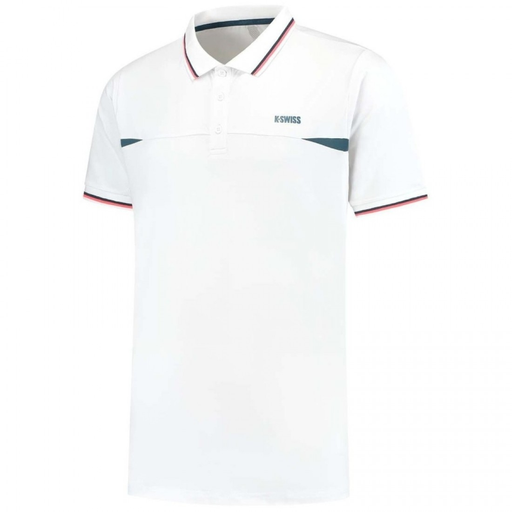
Why this fits the profile: A tennis-focused style with a collar and button placket for those who want to wear sporty clothing off the court too.
The composition is clearly stated: 94% polyester and 6% elastane. That gives you more certainty than a vague claim about stretch or ventilation.
94% polyester and 6% elastane; stretch fabric; classic collar with button placket.
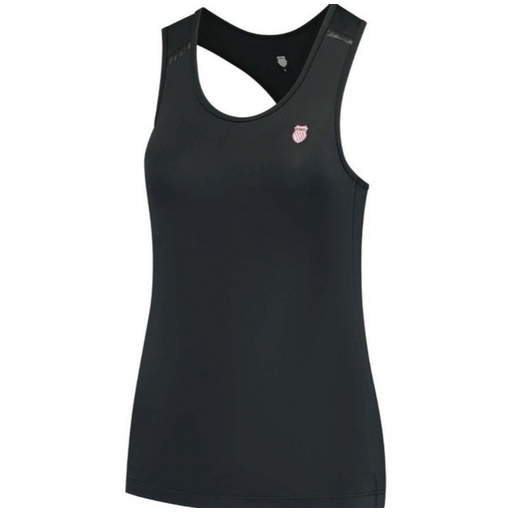
Why this fits the profile: The sleeveless cut is designed for tennis and training where free arm movement is important. The women's fit complements a sporty outfit.
The product information mentions both the sleeveless design and the composition of 84% polyester and 16% elastane. Do check the size and label before purchasing.
84% polyester and 16% elastane; tank top design; described for tennis and training.
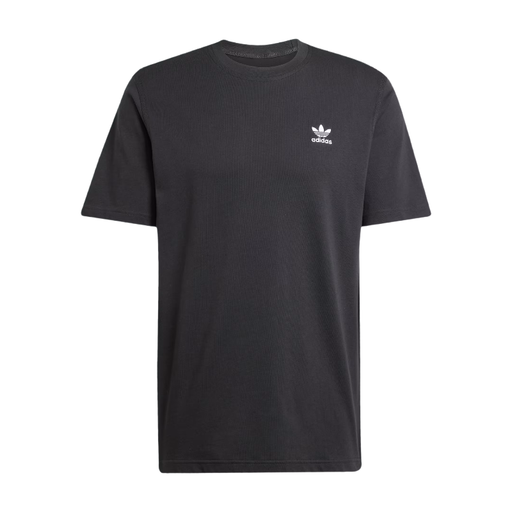
Why this fits the profile: A cotton shirt with a round neck and regular fit for everyday wear, casual outfits or as a layer under a gilet.
The product description mentions soft cotton, a regular fit and a round neck. This makes it clearer what the shirt is intended for than a general sports claim.
Cotton jersey according to the product information; regular fit; round neck; size S.
We've put together a full, up-to-date list of products that fully meet these strict selection criteria and comply with current European safety regulations.
Look for a lightweight polyester sports shirt or a blend with elastane. Check whether the product information mentions ventilation, moisture management or a quick-drying shirt. These are product specifications or brand claims; the actual experience varies per user and training situation.
A cotton T-shirt can be comfortable for light activities, warming up and everyday wear. During intense exercise, cotton can hold onto moisture for longer. For tennis, football or heavy fitness, many people therefore choose a polyester sports shirt or a cotton-polyester blend.
The lifespan depends on how often you wear it, friction, the washing programme and drying method. Wash according to the label, avoid bleach when advised against it, and don't use fabric softener on synthetic sportswear if the manufacturer recommends against it. In the European Union, these products come with a minimum statutory guarantee of two years; this is separate from normal wear and tear or incorrect care.
