
Vandaag of morgen in huis

Kwaliteit gegarandeerd

Welkomstaanbiedingen ontgrendelen: GRATIS bezorging | Tot 80% korting | Gratis 30 dagen JoyPlus-proefperiode
Download de app
Buying a helmet or a set of knee and elbow pads might seem straightforward. Yet many products don’t fit the activity, body size or fall risk properly. For example, a child’s protector for scooting isn’t designed for motocross, while a cycling helmet isn’t automatically suitable for skiing.
So when choosing sports protection, don’t just look at colour, price or a flashy marketing term. Instead, check the size, construction, adjustability and the intended use stated in the product description.
Age is at best a guide. Head circumference, body shape and how the straps fit determine whether a helmet or protector stays securely in place. For a helmet, measure the head circumference around the widest part of the head, roughly above the eyebrows. For knee and elbow pads, the straps should fit snugly without unnecessarily restricting movement.
A set with wrist guards, knee pads and elbow pads may be suitable for cycling, skating and skateboarding. That doesn’t mean the same set is intended for high speeds, motocross or motorsports. Always check the listed sports, age group and safety warnings.
A cycling helmet with a rear light can help improve visibility, but it doesn’t replace proper lighting, traffic rules or defensive riding. Likewise, sports sunglasses are not protection against lasers, welding arcs or looking directly at the sun.
A hard ABS, PP or PC shell is just one component. The inner layer, ventilation, closure and adjustment are also important. A helmet that sits loosely, or protectors that shift during movement, offer less practical value than the specifications on the packaging might suggest.
Choose a helmet based on the stated head circumference. The OutdoorMaster Skateboard Helmet Oryx, for example, is available in different sizes; model XS is specified for 46–51 cm and model L for 54–60 cm. The helmet has an adjustment dial and an adjustable chin strap. Measure first, then check that the helmet stays stable without pressure points.
For protectors, adjustable Velcro or nylon straps are handy for growing children and adults who wear multiple layers of clothing. Make sure wrist guards sit correctly on the hand and that a thumb opening aligns properly.
Product descriptions feature various constructions:
According to the product description, the OutdoorMaster ELK MIPS Ski Helmet uses a PC shell, EPS core and MIPS system. MIPS is a design feature that, according to the brand description, focuses on rotational forces. Don’t see this as a reason to let a helmet fit poorly; adjustment and replacement after a heavy impact remain important.
Check which standard or certification is actually mentioned with the product. The DKONI HS-158 cycling helmet is listed in the product information with CPSC, CE and ASTM markings. The OutdoorMaster RhinoUrban is listed with CPSC and ASTM certification. Always check the current product page and markings on the delivered item when purchasing.
A certification doesn’t mean a product is suitable for every sport. A skateboard helmet, cycling helmet, ski helmet with MIPS and motocross protection each have a different area of application. For motorcyclists, a protective motorcycle jacket and motorcycle trousers with protectors are more logical than loose child protectors.
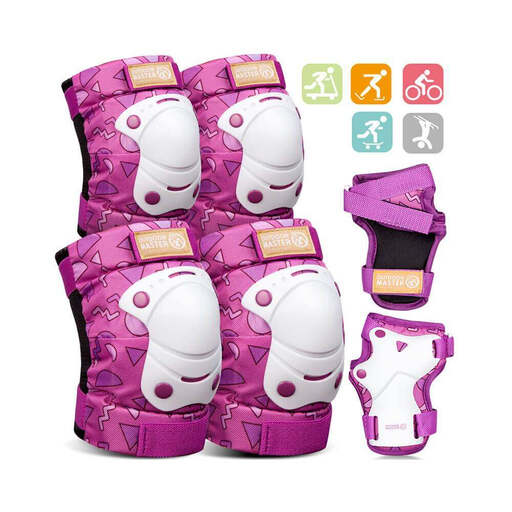
Why this fits the profile: This complete set is designed for children and teenagers aged 3 to 15 and includes knee, elbow and wrist protectors for cycling, skating, skateboarding and scooting.
The three components offer a practical starter set rather than a single loose item. Adjustable Velcro straps help you adapt the fit.
PP shells, PE foam, breathable material and a mesh carry bag included. The product information mentions CPSC certification.
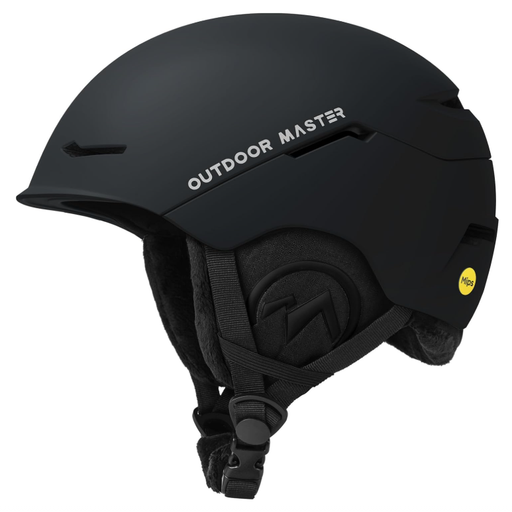
Why this fits the profile: For winter sports enthusiasts looking for a ski helmet with MIPS for skiing, snowboarding or ice skating, with attention to ventilation and warmth.
The size is made adjustable with a dial. The lining and ear warmers are removable, making maintenance easier.
PC shell, EPS core, MIPS system, eight ventilation openings and a goggle strap holder according to the product description.
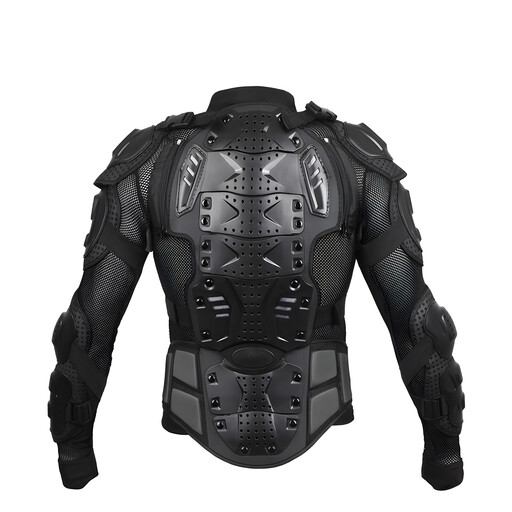
Why this fits the profile: Aimed at adults seeking motocross protection for off-road riding, mountain biking or other activities with a higher fall risk.
The design is more comprehensive than separate knee and elbow pads, with removable sections for chest, back, shoulders and elbows. A snug fit remains essential.
PE shell, EVA padding, adjustable shoulder straps and an elastic waistband. The model is specified in size XXXL.
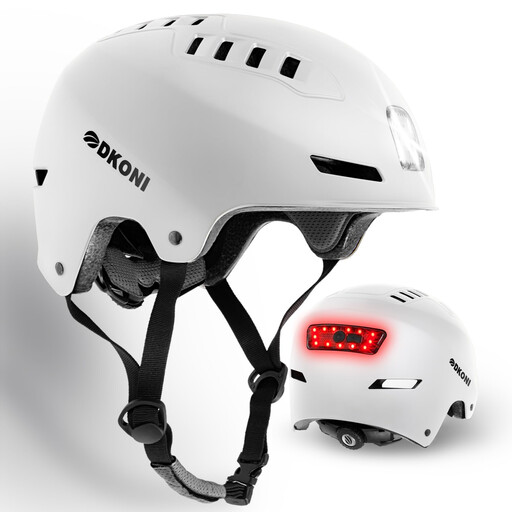
Why this fits the profile: Suitable for adults looking for a cycling helmet with a rear light for commuting, cycling and skateboarding.
The product information lists specific sizes of 48–55 cm, 52–58 cm and a large size. This means you can measure rather than relying solely on a general age or clothing size.
USB rechargeable front and rear lighting, twenty ventilation openings and a removable, washable lining. The product description mentions CPSC, CE and ASTM markings.
Check the straps, closures, shell and lining before every ride or activity. Replace a helmet after a heavy impact, even if there is no visible damage. For protectors, cracks, deformations, loose seams or heavily worn straps are reasons to stop using the product.
Clean according to the instructions. Many protectors can be wiped down with a damp cloth, but not machine washed. Removable helmet linings can usually be hand washed and air dried completely. Store equipment in a dry, cool place away from direct sunlight.
We’ve put together a full, up-to-date list of products that fully meet these strict selection criteria and current European safety regulations.
A helmet should sit securely without pinching. First adjust the dial and chin strap. When you move your head, the helmet should not noticeably shift forwards, backwards or sideways.
Replace the helmet after a significant impact or collision. Even without visible damage, the inner layer may have been compromised. Also regularly check the shell, straps, closure and lining for wear and tear.
That depends on the activity and the fall risk. For children learning to skate, skateboard or scoot, a complete set with wrist guards, knee pads and elbow pads can be practical. For motocross or intensive off-road activities, additional protection for the back, chest, hips and knees is necessary.
