
Vandaag of morgen in huis

Kwaliteit gegarandeerd

Welkomstaanbiedingen ontgrendelen: GRATIS bezorging | Tot 80% korting | Gratis 30 dagen JoyPlus-proefperiode
Download de app
Buying a new pair of sports and outdoor shoes seems simple, until you have to choose between road-running shoes, trail-running shoes, walking shoes and hiking boots. Marketing terms such as “maximum cushioning”, “all-terrain” and “waterproof” don’t always tell you whether a model is right for the way you’ll use it.
The most common buying mistakes usually come down to three pitfalls:
Start by using the type of activity as a filter. This helps you avoid paying for features you don’t need.
The midsole determines how a shoe feels with every step. Materials such as EVA, ABZORB, Energy Foam and Cloudfoam are used to provide different combinations of cushioning, responsiveness and weight.
Consider the combination of:
According to the product description, the New Balance U2002RCE has an ABZORB and N-ergy midsole and a Stability Web construction. These are verifiable product specifications; they don’t mean that the same shoe will suit every foot or running style.
The sole matters more than the logo. Shoes with good grip have a tread suited to the surface:
A shoe with a deep tread may feel less smooth on roads and wear down more quickly. According to the product description, the Salomon Speedcross 6 has an aggressive Contagrip sole for loose and technical terrain. The Salomon Pulsar Trail has 3.5 mm lugs and, according to the information provided, is aimed mainly at fast runs on relatively smooth terrain.
A mesh upper usually provides ventilation. Synthetic reinforcements can offer extra support and durability. In wet weather, the difference between water-repellent and waterproof matters:
Also check the width. According to the product information, the Salomon X Ultra 4 Mid Wide GTX has a wide fit. This may be worth considering if you find standard models too tight around the forefoot.
The selection below is based on the stated materials, sole construction, fit and intended use. Brand features are presented as information from the product description, not as independently proven performance claims.
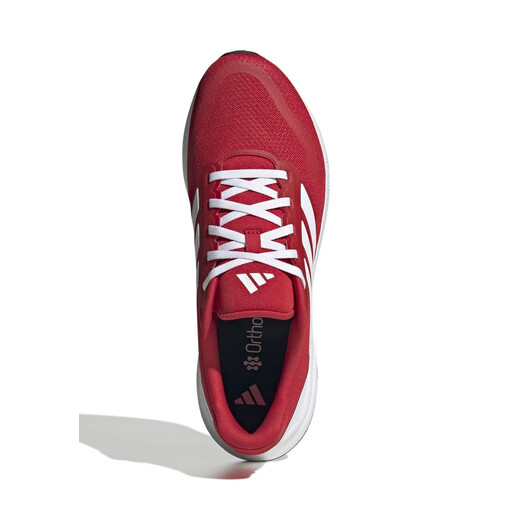
Why it suits this profile: A practical choice for short runs, walking and everyday use on paved paths.
The stated Cloudfoam midsole and mesh upper provide more detail than a general comfort claim alone.
Mesh upper, Ortholite insole and Adiwear outsole, according to the product description.
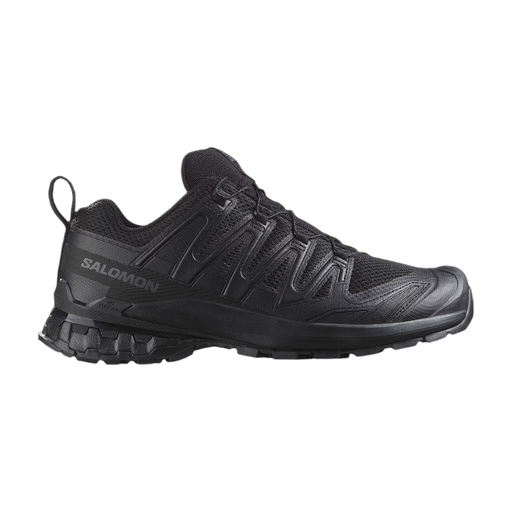
Why it suits this profile: Designed for walkers and trail users who value stability, grip and protection from wet weather.
The product description specifically mentions a GORE-TEX membrane, 3D Advanced Chassis and Contagrip outsole.
Waterproof membrane construction according to the product information, with a sole designed for different types of terrain.
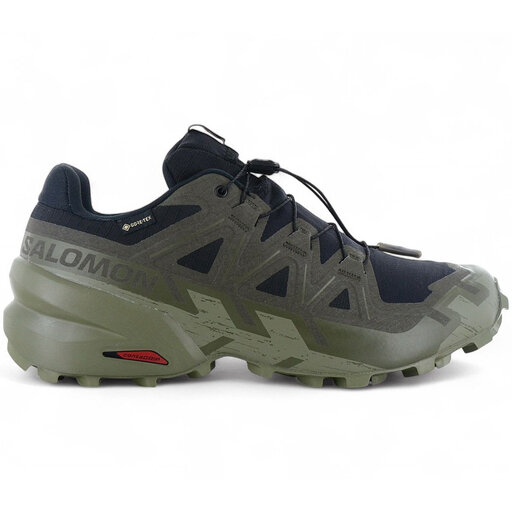
Why it suits this profile: For trail runners who regularly run on mud, loose ground and uneven paths.
According to the product information, this model combines GORE-TEX with a pronounced Contagrip tread, rather than relying on a smooth lifestyle sole.
Sensifit fit, Quicklace system and synthetic mesh with GORE-TEX, according to the product description.
We’ve put together a complete, up-to-date list of products that meet these strict selection criteria and the applicable European safety regulations.
Measure your foot at the end of the day and compare its length with the size chart for the specific model. Wear the socks you’d normally use for sport or walking. For running, a little room for your toes is practical, but a heel that’s too loose can cause slipping.
Good care helps your shoes last longer:
For these product listings, the EU statutory guarantee is at least two years. This is separate from normal wear and tear. Keep your proof of purchase and, if there’s a problem, check the seller’s guarantee terms first.
It depends on how you use them, the surface, your body weight, how well you care for them and how worn the sole is. Check the grip, seams, cushioning and fit regularly. If you notice visible cracks, a worn-smooth tread or lasting deformation, replacing the shoes is more sensible than going by their age alone.
According to the product information, a GORE-TEX membrane is designed to provide waterproof protection, but the overall construction matters too. Water can get in through the tongue, seams, ankle opening or a damaged outer. Follow the care advice and check that the model is suited to your terrain.
For short walks on flat ground, this can often work well, as long as the fit is comfortable. For long hikes, wet paths or rocky terrain, walking shoes or hiking boots with more grip, protection and stability are usually a better choice. Look at the sole, ankle height and water protection rather than relying on the “running” label alone.
