
Vandaag of morgen in huis

Kwaliteit gegarandeerd

Welkomstaanbiedingen ontgrendelen: GRATIS bezorging | Tot 80% korting | Gratis 30 dagen JoyPlus-proefperiode
Download de app
Sports nutrition supplements often seem easy to choose. However, products can vary significantly in dosage, ingredients, allergens and when they should be used. Eye-catching packaging or a long ingredient list says little about whether a product is suitable for your training goals.
The main pitfalls are:
Don’t just compare the total weight. Focus mainly on the active amount per recommended serving. With protein powder, this means the number of grams of protein per scoop. For example, Optimum Nutrition Gold Standard 100% Whey lists approximately 24 grams of protein per serving of around 30 to 32 grams. The formula consists of whey isolate, whey concentrate and hydrolysed whey proteins.
With creatine powder, the amount of creatine per day is the key consideration. According to the product information, Lucovitaal Pure Creatine Monohydrate contains 100% creatine monohydrate and recommends 3 to 6 grams of powder. BSN DNA Creatine lists 3.5 grams per serving and approximately 63 servings per pack.
An amino acid supplement or glutamine powder may have a short ingredients list, but that does not automatically mean it is suitable for everyone. According to the product information, Optimum Nutrition Glutamine Powder contains pure L-glutamine, but also states that it may contain milk, nuts, soya, peanuts, gluten and egg.
When choosing whey protein, pay particular attention to milk and soya. For marine collagen, fish is the key allergen. Also check sweeteners, flavourings, caffeine and added vitamins. Product formulations can change, so always use the label on the packaging as your final check.
A pre-workout is usually taken before training, but its ingredients determine whether it is practical for you. According to the label, Lucovitaal Pre-Workout Tropical Fruit contains 150 mg of caffeine per daily serving of 10 grams. This may be less suitable for late training or for people who want to limit their caffeine intake.
A stim-free pre-workout, such as Applied Nutrition ABE Pump, contains no caffeine according to the product description. The maximum daily serving is 25 grams and provides 3 grams of creatine. Optimum Nutrition Platinum Pump is also caffeine-free and, according to the product information, is intended to be used approximately 20 to 30 minutes before exercise.
For endurance athletes or training in warm weather, an electrolyte powder can be practical. Optimum Nutrition Electrolyte Powder Lemon provides, per 8-gram serving, 400 mg of sodium, 300 mg of potassium and 113 mg of magnesium, among other nutrients. According to the product information, potassium contributes to normal muscle function, while magnesium contributes to normal muscle function and electrolyte balance. These are permitted nutrition claims; they do not replace personalised medical advice.
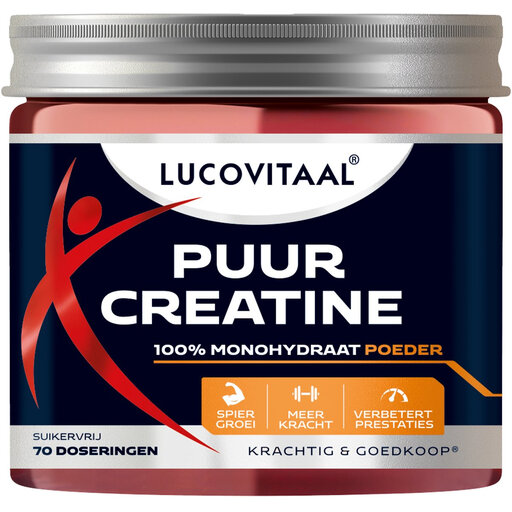
Why it suits this profile: A simple formula for anyone who wants to start taking creatine without flavourings or complex blends.
The ingredients list states 100% creatine monohydrate, so you don’t need to decipher a complex blend.
210 grams of content, vegan according to the product information and free from the 14 major EU allergens.
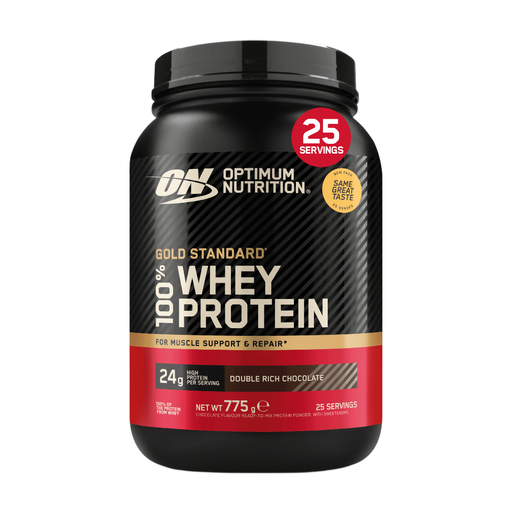
Why it suits this profile: Suitable for adults who want to top up their daily protein intake with a well-known whey blend.
The amount of protein per scoop is clearly stated, making it easier to compare price and dosage.
Approximately 24 grams of protein per serving; mixes with water or milk. Contains milk and soya.
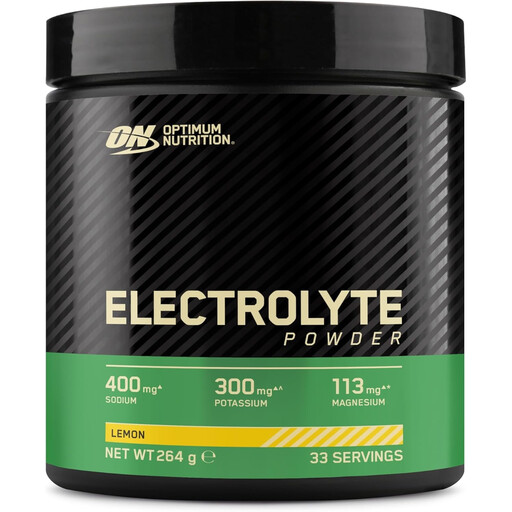
Why it suits this profile: Practical for endurance sports, longer sessions or active days when you want to take a mineral powder with you.
The amounts of sodium, potassium and magnesium per serving are listed separately, with no hidden blend.
264 grams, approximately 33 servings, sugar-free according to the product information and soluble in 450 ml of cold water.
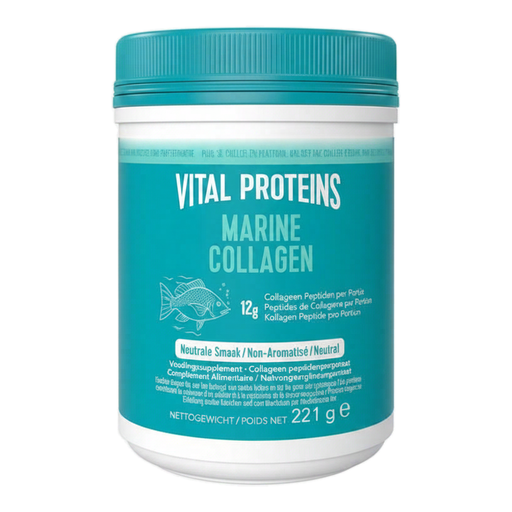
Why it suits this profile: For adults who want to add unflavoured marine collagen to coffee, smoothies or other drinks.
The source is listed as fish, making it immediately clear that this product is not suitable for anyone with a fish allergy.
12 grams of collagen peptides per serving, 18 servings and, according to the product information, gluten- and lactose-free.
We’ve put together a complete, up-to-date list of products that fully meet these strict selection criteria and the applicable European safety regulations.
Protein powder can be useful when your daily protein intake is insufficient. Creatine is often chosen for repeated, short bursts of high-intensity exercise. According to the permitted EU claim, creatine increases physical performance during repeated bursts of short-term, high-intensity exercise when consumed daily at 3 grams. No supplement can replace a varied diet, sufficient sleep and a suitable training plan.
That depends on the contents and dosage. Divide the total weight by the weight per serving. A 775-gram pack with servings of approximately 30 grams theoretically contains around 25 servings. Always check the number of servings on the label, as the recommended dosage may vary from one product to another.
A caffeine-free pre-workout is generally more practical if you want to avoid stimulating ingredients in the evening. Check the caffeine content per full serving for every variant. When trying a new product, start with the lowest recommended amount and never take supplements above the stated daily dose. If you take medication, are pregnant or breastfeeding, or have a medical condition, it is advisable to consult a doctor or other healthcare professional.
