
Vandaag of morgen in huis

Kwaliteit gegarandeerd

Welkomstaanbiedingen ontgrendelen: GRATIS bezorging | Tot 80% korting | Gratis 30 dagen JoyPlus-proefperiode
Download de app
Sports nutrition supplements can be handy when you want to add extra protein, creatine, energy or electrolytes to your daily routine. Yet it’s all too easy to pay for a large tub, flashy packaging or a long list of ingredients without really knowing what you need.
Most poor purchases come down to three common pitfalls:
A good choice therefore starts with your training goal and ends with the label.
Don’t just compare the total contents of the pack – focus on the dosage per serving and the number of servings. With creatine powder, for example, check how many grams of creatine monohydrate you’ll use per day. According to the product information, Lucovitaal Pure Creatine Monohydrate Powder contains 100% creatine monohydrate and recommends 3 to 6 grams of powder per use. BSN DNA Creatine states 3.5 grams per serving and around 63 servings in a 216-gram pack.
With blended products, it’s especially important to check how much creatine, beta-alanine, L-citrulline or L-arginine is actually in one serving. A long ingredients list is no substitute for clear dosages.
For whey protein and protein powder, three points are practically relevant:
According to the label, Optimum Nutrition 100% Gold Standard Isolate Vanilla provides 25 grams of protein per 31-gram serving, less than 1 gram of carbohydrates and less than 0.5 grams of fat. That makes the composition clear, but the product does contain milk and soya. If you have an allergy, always check the pack, as recipes can change.
A whey isolate is ideal when you’re looking for a protein-rich shake with relatively little sugar and fat. A standard whey blend, such as Critical Whey, can be more practical when price, flavour choice and a larger pack size matter more. Protein contributes to the growth and maintenance of muscle mass as part of a varied diet and a suitable training programme.
A pre-workout with caffeine can be inconvenient for evening sessions or if you’re sensitive to caffeine. Always check the amount per daily serving. The supplied Lucovitaal Pre-Workout states 150 mg of caffeine per daily dose. C4 Pre-Workout also states 150 mg of caffeine per recommended serving. Remember to count caffeine from coffee, tea, energy drinks and other supplements.
A caffeine-free pre-workout can be an alternative. According to the product information, Optimum Nutrition Platinum Pump Pre-Workout contains no caffeine and lists, among other things, 8 grams of L-citrulline and 3.2 grams of beta-alanine per serving. Applied Nutrition ABE Pump Stim Free contains, among other ingredients, citrulline malate, beta-alanine, creatine and taurine. “Supports” and similar claims of effect come from the brand’s product information; don’t see them as a guarantee of personal results.
For long workouts, hot weather or heavy sweating, electrolytes can be practical. Compare sodium, potassium, magnesium and the recommended amount of water. According to the product data, one stick of Applied Nutrition Electrolytes Hydration Stick Packs contains approximately 1,190 mg of electrolytes and should be dissolved in 200 to 500 ml of water. For everyday hydration, water remains the foundation; supplements are not a substitute for drinking enough and eating well.
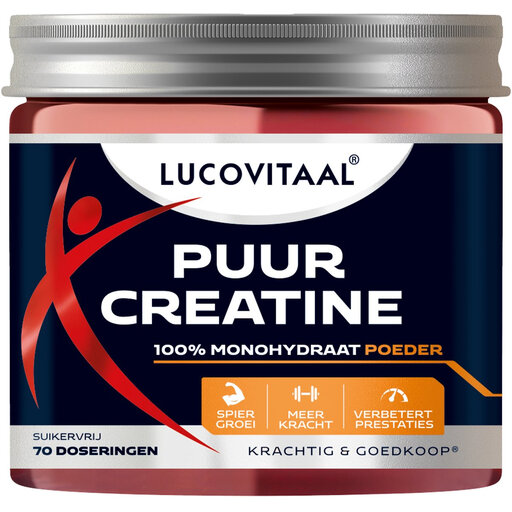
Why this fits the profile: A simple formula with no flavourings, sugar or extensive blend of ingredients. Handy if you want to try creatine monohydrate for the first time.
The product information lists one ingredient: 100% creatine monohydrate. So you can see exactly what you’re buying.
210 grams of contents, vegan according to the product data and a recommended intake of 3 grams per day.

Why this fits the profile: Ideal for athletes who value a clear protein profile and a low sugar and fat content.
Protein, carbohydrates, sugar, fat and salt are listed separately per serving. So you don’t have to rely on the name “isolate” alone.
25 grams of protein per 31-gram serving, less than 1 gram of carbohydrates and 31 servings per pack.
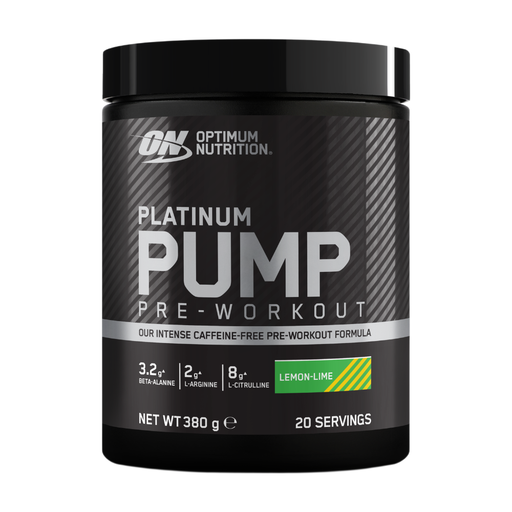
Why this fits the profile: An option for adults who train in the evening or want to avoid caffeine around their workout.
The product description explicitly states “caffeine-free”. This makes the formula easier to distinguish from caffeinated pre-workouts.
8 grams of L-citrulline, 3.2 grams of beta-alanine and around 20 servings; the recommended dose is a maximum of one serving per day.
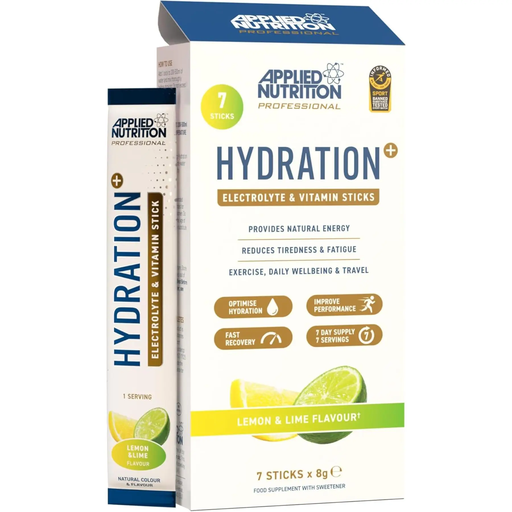
Why this fits the profile: Individual sticks are easy to take to the gym, on a bike ride or when travelling.
The amounts of sodium, potassium, chloride, calcium and magnesium are listed per stick. This allows you to compare the composition with your training needs.
Approximately 1,190 mg of electrolytes per stick, with vitamin C and B vitamins; suitable for vegans according to the product information.
We’ve put together a full, up-to-date list of products that fully meet these strict selection criteria and comply with current European safety regulations.
Not necessarily. Protein powder is mainly a practical way to top up your daily protein intake. If you get enough protein from regular food, you don’t automatically need a supplement. Compare the protein content, serving size and allergens per product.
Creatine is typically used daily according to the dosage on the label. The product information for various creatine products states around 3 to 3.5 grams per serving. The exact use can vary by formula. So follow the pack instructions and, if you are taking medication or have a medical condition, ask your doctor or pharmacist for advice.
That depends on the best-before date, packaging and storage. Store powders in a cool, dry place, tightly sealed and out of direct sunlight. Pre-workout can clump together due to moisture. That’s a reason to close the tub carefully, but if in doubt, always check the smell, colour, best-before date and label. Food supplements are not a substitute for a varied diet and a healthy lifestyle.
