
Vandaag of morgen in huis

Kwaliteit gegarandeerd

Welkomstaanbiedingen ontgrendelen: GRATIS bezorging | Tot 80% korting | Gratis 30 dagen JoyPlus-proefperiode
Download de app
If you’re looking for sports nutrition supplements, you’ll soon come across a long list of protein powders, creatine gummies, pre-workouts and vitamins. The range may seem straightforward, but product packaging doesn’t always explain exactly what you’re buying. A higher price, for example, doesn’t automatically mean a supplement is right for your goals.
Terms such as “high protein”, “advanced formula” and “muscle support” don’t tell you much without the nutritional information per serving. Always check:
For example, a protein powder with 24 grams of protein per serving isn’t the same as a weight gainer with around 50 grams of protein, 250 grams of carbohydrate and over 1,200 kcal per serving.
Powder is often good value per serving, but you’ll need a shaker and a little preparation. Creatine gummies are easier to take with you, while pre-workout is usually taken just before training. A large product can end up unused if it isn’t practical to prepare.
Whey protein usually contains milk and some varieties also contain soya. A weight gainer may also contain milk, egg, wheat and sulphites. Marine collagen comes from fish, so it isn’t suitable for people with a fish allergy. Always read the label before buying, even if a product is advertised as free from a particular ingredient.
With protein powder and whey protein, you’ll usually see whey isolate, whey concentrate or a blend of the two. According to the product information, whey isolate typically has a high proportion of protein and relatively little carbohydrate and fat. The Optimum Nutrition Gold Standard products in the range list around 24 grams of protein per serving of approximately 30 grams. The 930-gram isolate version lists 25 grams of protein per serving.
Casein protein is a slow-digesting source of protein. The Day to Night Protein Bundle and Casein + Magnesium Night Set combine micellar casein with a shaker. This can be convenient between meals or before bed, but it isn’t a substitute for a varied diet.
A weight gainer is designed to make it easier to increase your total calorie intake. Serious Mass Strawberry lists around 50 grams of protein, 250 grams of carbohydrate and 1,269–1,292 kcal per 334-gram serving. That’s a large serving, so check whether you really need that much. A smaller protein shake may be more suitable if you simply want to top up your protein intake.
Don’t just look at the total grams in the pack. Divide the net weight by the recommended serving size to work out the actual number of servings. The amount varies considerably for collagen: Vital Proteins Collagen Peptides lists 20 grams of collagen per serving and 14 servings per pack, while Applied Nutrition Marine Collagen lists 10 grams of marine collagen per 12-gram sachet.
Caffeine content is particularly important. Lucovitaal Pre-Workout lists 150 mg of caffeine per 10-gram daily serving. According to the directions for use, the product isn’t intended for anyone under 18, or for pregnant or breastfeeding women. Don’t automatically use pre-workout for every training session, and follow the instructions on the label.
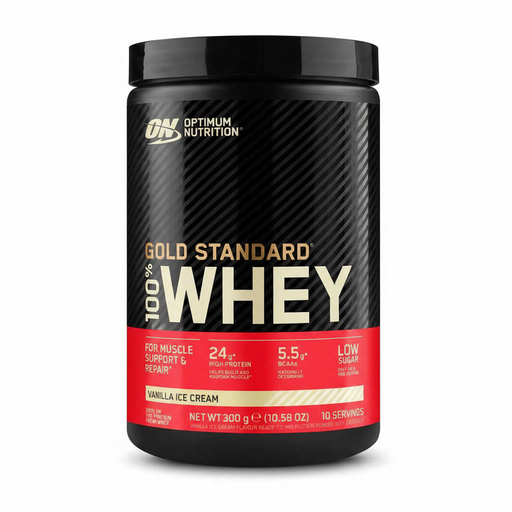
Why it suits this profile: A manageable pack size for trying whey protein without buying a large quantity straight away. It lists around 24 grams of protein per serving.
The serving size and nutritional information are clearly stated. This makes it easier to compare protein, sugar and calories without relying on the front of the pack alone.
Around 24 grams of protein per serving; mixes with 180–240 ml of water or milk; milk and soya are listed as allergens.

Why it suits this profile: A good choice for athletes looking for a concentrated protein source with little carbohydrate and fat per serving, according to the product information provided.
The ingredients list whey protein isolate as the protein source. Always check the current packaging, particularly if you have allergies or the recipe has changed.
25 grams of protein per serving; less than 1 gram of carbohydrate; around 31 servings in a 930-gram pack.
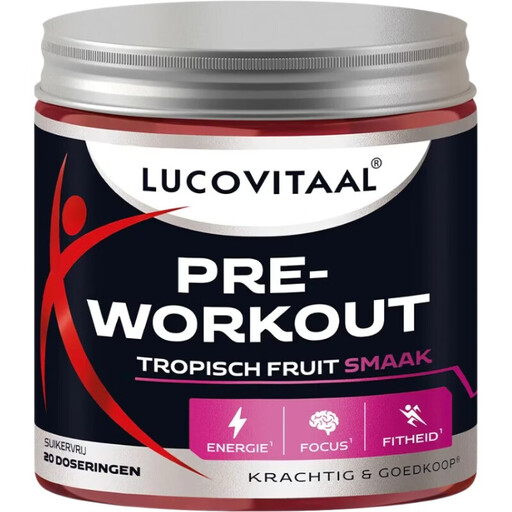
Why it suits this profile: For adults looking to use a product specifically before training and able to fit the caffeine intake into their daily routine.
The daily serving contains 150 mg of caffeine. This makes it easier to factor the product into your intake from coffee, energy drinks and other caffeinated products.
Contains L-citrulline, beta-alanine, taurine, glycerol and magnesium; use as directed, 15–30 minutes before training.
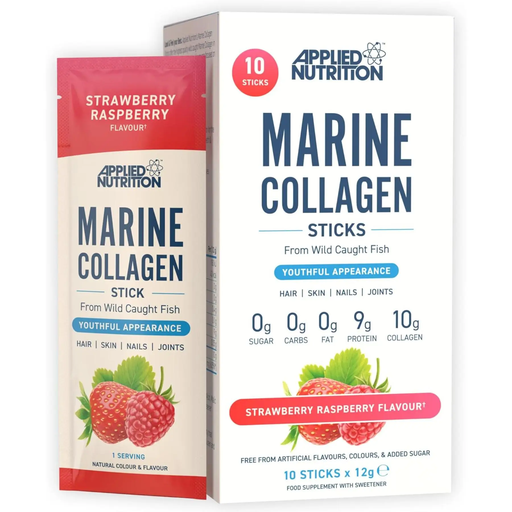
Why it suits this profile: A practical option for adults who want to make marine collagen part of a regular daily routine, for example by adding it to a hot or cold drink.
Each serving contains 10 grams of marine collagen, and its fish origin is clearly stated. This makes it easier to check the allergens and dosage in advance.
10 sachets of 12 grams; 500 mg of vitamin C per serving; strawberry and raspberry flavour; contains fish as an allergen.
We’ve put together a complete, up-to-date list of products that meet these strict selection criteria and current European safety regulations.
Start by looking at your total daily protein intake, then consider a suitable protein powder. Whey protein is convenient around training or between meals. Creatine may be another option; Lucovitaal creatine gummies list 3,000 mg of creatine per three gummies. Always follow the product instructions and drink enough water.
Not necessarily. A weight gainer is most useful when you consistently need extra calories and find it difficult to get them from regular meals. Check the serving size: according to the product information, a full serving of Serious Mass contains more than 1,200 kcal. Half a serving or regular whey may be more practical if you want to add fewer calories.
It varies by product. Store powders in a cool, dry place, tightly sealed, away from direct sunlight and out of reach of children. Check the best-before date and batch information on the packaging. If you’re unsure because of a change in smell, taste, texture or colour, don’t use the product. Food supplements are also not a substitute for a varied diet and a healthy lifestyle.
