
Vandaag of morgen in huis

Kwaliteit gegarandeerd

Welkomstaanbiedingen ontgrendelen: GRATIS bezorging | Tot 80% korting | Gratis 30 dagen JoyPlus-proefperiode
Download de app
When you start looking for sports nutrition supplements, you’ll quickly come across dozens of powders, sachets and tubs all making big promises. Yet not every product suits every workout. A pre-workout for a late evening session, for example, can be inconvenient because of the caffeine, while a weight gainer adds little if you’re mainly looking to increase your protein intake.
The most important question, therefore, isn’t which product is most heavily advertised, but: which formula matches your goal, routine and tolerance?
A formula with creatine, beta-alanine, taurine, L-arginine and vitamins might look comprehensive. However, always check the amount per serving. An ingredient can appear on the label but only be present in a small dose. So compare the nutritional table, not just the front of the packaging.
Pre-workout and some amino acid or protein products contain caffeine. C4 Original Pre-Workout, for example, lists 150 mg of caffeine per recommended serving. The Caramel Latte variant of Applied Nutrition Critical Whey contains 100 mg of caffeine per 33 g serving, according to the product information.
Remember to count caffeine from coffee, tea, energy drinks and other supplements. If you train in the evening or are sensitive to caffeine, it’s better to look for a caffeine-free pre-workout.
Protein powder, electrolytes and creatine can be convenient, but they don’t replace a varied diet. Also pay attention to allergens. Whey protein typically contains milk, and some formulas contain soya. If you have allergies or intolerances, always check the current label, even if a product previously had a different formula.
A large tub isn’t automatically better value. Divide the price by the number of recommended servings and pay attention to the actual dosage. A 930 g tub of Optimum Nutrition Gold Standard Isolate, for example, contains 31 servings of around 31 g, with 25 g of protein per serving according to the product information.
With a weight gainer, the serving is often much larger. Serious Mass lists one serving of 334 g. That can be suitable for someone deliberately looking for extra calories, but less practical if you only want a small protein boost.
For creatine monohydrate, it’s useful to check how much creatine you’re actually taking each day. Lucovitaal Pure Creatine Monohydrate consists of 100% creatine monohydrate according to the label, and lists a recommended daily amount of 3,000 mg. BSN DNA Creatine provides 3.5 g per serving, according to the product information.
With pre-workout, pay attention to the difference between the total scoop and the individual ingredients. For C4 Original Pre-Workout, the label lists, among other things, 1,500 mg of creatine monohydrate, 1,600 mg of beta-alanine, 1,000 mg of L-arginine HCl and 150 mg of caffeine per recommended serving.
For hydration during exercise, look at the amount of sodium, potassium, magnesium and other electrolytes. Applied Nutrition Electrolytes Hydration Stick Packs provide approximately 1,190 mg of electrolytes per stick according to the product information, and dissolve in 200 to 500 ml of water. One stick also contains around 10 kcal and 0.6 g of sugar.
An electrolyte product isn’t the same as plain water, and it isn’t necessary for every workout. It can be particularly useful for longer sessions, in hot weather, or when you want an individual sachet to take on the go. Follow the recommended dosage and watch out for extra minerals from other supplements.
The selection below is based on verifiable product data such as composition, serving size, caffeine content and usage advice. Brand claims about effectiveness are not presented as guaranteed results.
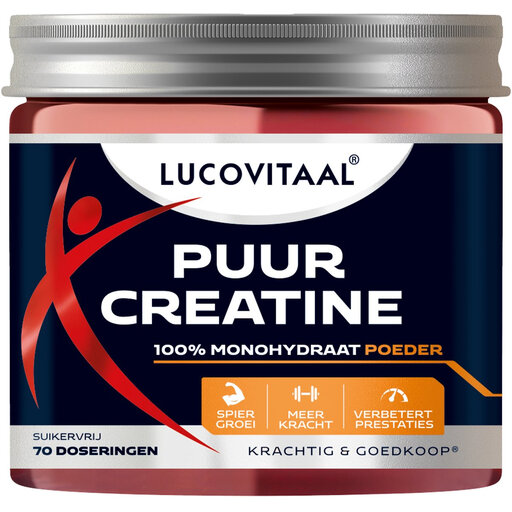
Why this suits the profile: A simple formula with no flavourings, made from 100% creatine monohydrate according to the product information. Handy if you want to start with one clearly defined supplement.
The ingredients list is straightforward, so you don’t have to decipher a complex blend.
100% creatine monohydrate; vegan and sugar-free according to the product data.

Why this suits the profile: Ideal for athletes who want a high protein content per shake with limited sugar and fat.
The nutritional values per serving are clearly stated: 25 g of protein, less than 0.5 g of sugar and less than 0.5 g of fat.
25 g of protein per serving; 31 servings per tub; contains milk and soya.
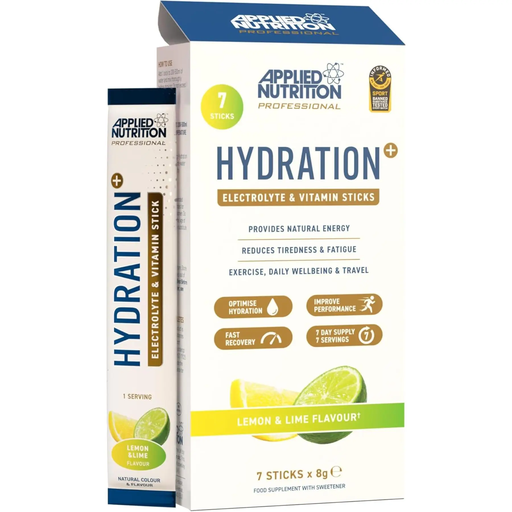
Why this suits the profile: Practical for longer workouts, travel and training sessions where you want to take an individual electrolyte sachet with you.
The amount of electrolytes and the mixing ratio of 200 to 500 ml of water are stated per stick.
Approximately 1,190 mg of electrolytes per stick; individual packaging; suitable for vegans according to the product information.
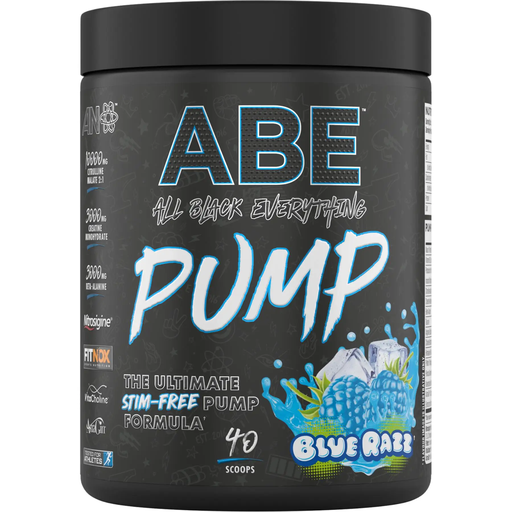
Why this suits the profile: A caffeine-free pre-workout for anyone who trains later in the day or wants to avoid stimulants around their workout.
The product information explicitly states that the formula contains no caffeine. This makes the choice clearer than with a blend containing multiple stimulants.
Caffeine-free; contains, among other things, citrulline malate, beta-alanine, creatine and taurine; maximum two scoops per day according to the usage advice.
We’ve put together a full, up-to-date list of products that fully meet these strict selection criteria and comply with current European safety regulations.
Start with your overall diet and protein intake. A protein powder such as whey protein can be practical if you’re not getting enough protein from regular meals. Creatine monohydrate is a separate option for adults who want to supplement their training routine with it. Choose products with a clear ingredients list and transparent dosage where possible.
No. Pre-workout is optional. A product with caffeine can be suitable before a workout if you deliberately want to use caffeine, but keep your total daily intake in mind. For late training sessions, a caffeine-free pre-workout can be a more practical alternative. Always follow the label and don’t exceed the recommended dosage.
That varies by product and packaging. Store powders in a cool, dry place, tightly sealed and out of direct sunlight. Moisture can cause pre-workout or other powders to clump. Check the best-before date, batch code and current instructions on the packaging. Don’t use a supplement if the smell, colour or taste is noticeably different.
